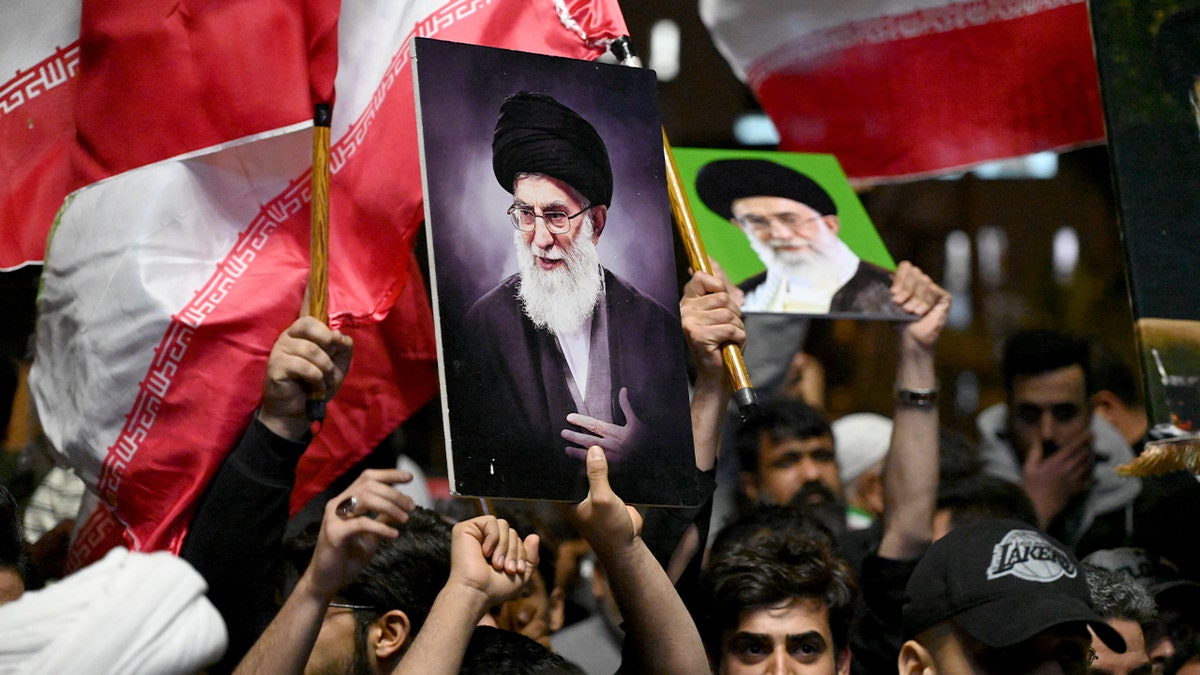
The lines between political realities and misinterpretations blurred in Dallas, beginning with Lizbeth, a young woman who inadvertently joined a rally she believed was anti-Trump. Instead, she found herself chanting alongside a group advocating for Iranian democracy, a small but fervent gathering calling for change. It was a striking illustration of how easily narratives can be misconstrued, even with the best intentions.
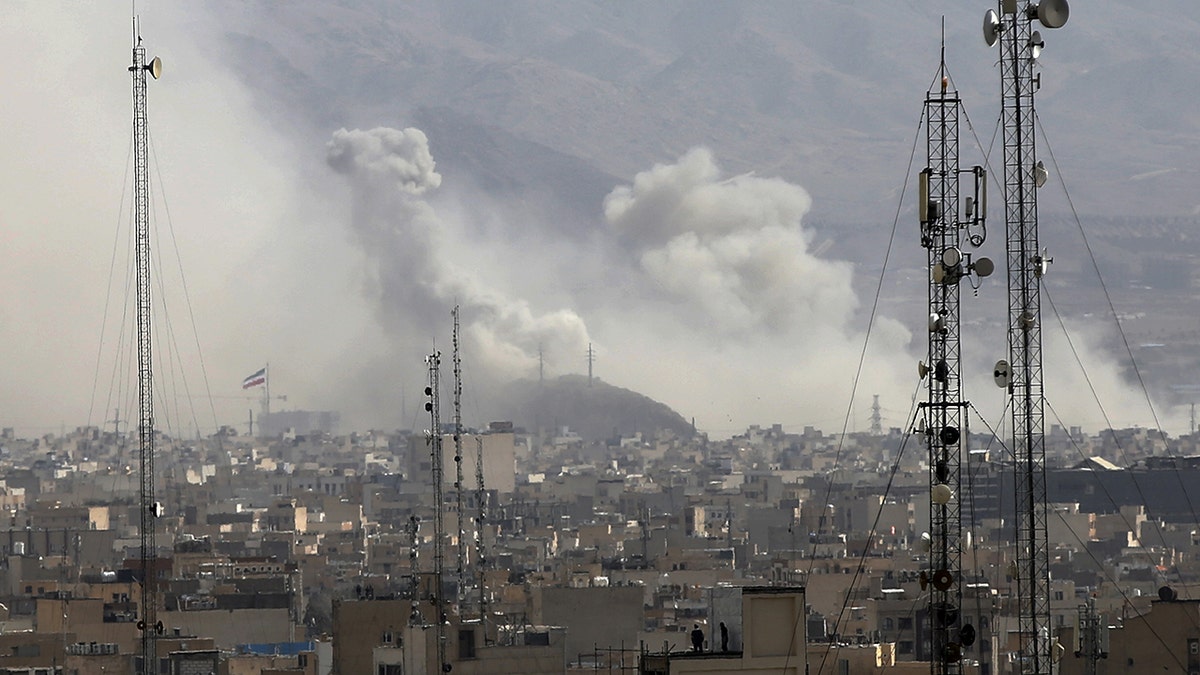
The escalating tensions with Iran were dominating conversations, eclipsing even the heated Senate primaries unfolding in Texas. The strikes resonated deeply, capturing the attention of the nation and overshadowing local political battles. It felt as though the world outside Texas was intruding, reshaping the focus of those within it.
I met John and Jill, a couple on the cusp of a new chapter, planning a move to the Alabama coast after decades with the same insurance company. Their differing political views – he a Republican, she a Democrat – were surprisingly common, a quiet undercurrent in a polarized landscape. They raised a glass to the reported death of Ayatollah Khamenei, a shared moment of relief cutting across their ideological divide.
Uncovering their specific political preferences proved challenging. Jill remained guarded, sensing the sensitivity of the local Democratic contest. John, however, revealed his support for Senator Cornyn, though a flicker of uncertainty crossed his face as he spoke. He acknowledged a growing frustration among some with the senator’s moderate stance, a pull towards more conservative candidates.
Jill’s priority was clear: finding a candidate capable of challenging Trump and potentially shifting Texas towards a more progressive future. She offered no specifics, her silence speaking volumes about the delicate balance of opinions within her circle. The division between supporters of different Democratic candidates felt too precarious to openly discuss.
Earlier that day, Rajiv, a leader of the Iranian dissident rally, had simply stated their core desire: “We just want democracy in Iran.” The palpable joy at the news of the Ayatollah’s passing prompted a quiet reflection on the value of the freedoms often taken for granted. It was a stark reminder of the struggles faced by those yearning for basic rights.
The conversation expanded with the arrival of Lari, a young woman navigating a similar political divide within her own relationship. She had voted for Talarico, believing he offered the best chance of victory, yet expressed genuine admiration for Crockett. The concept of electability hung in the air, a strategic calculation versus a heartfelt preference.
Electability, it seemed, was the driving force behind many decisions, a pragmatic assessment of who could actually win. But there was a sense that prioritizing the “safe” choice could inadvertently alienate potential voters, leaving passion and conviction on the sidelines. Lari’s vote felt calculated, a decision made with her head rather than her heart.
I encouraged her, acknowledging the effort she’d made to participate in the democratic process. Lizbeth, who had been listening, nodded in agreement. It was a small moment of connection, a shared understanding of the importance of civic engagement.
As Lizbeth prepared to leave, I asked about her Senate preference. Her response – “I haven’t decided” – was perhaps the most telling of all. It meant the race remained open, every candidate still had an opportunity, and the outcome was far from certain. The next few days would be crucial.