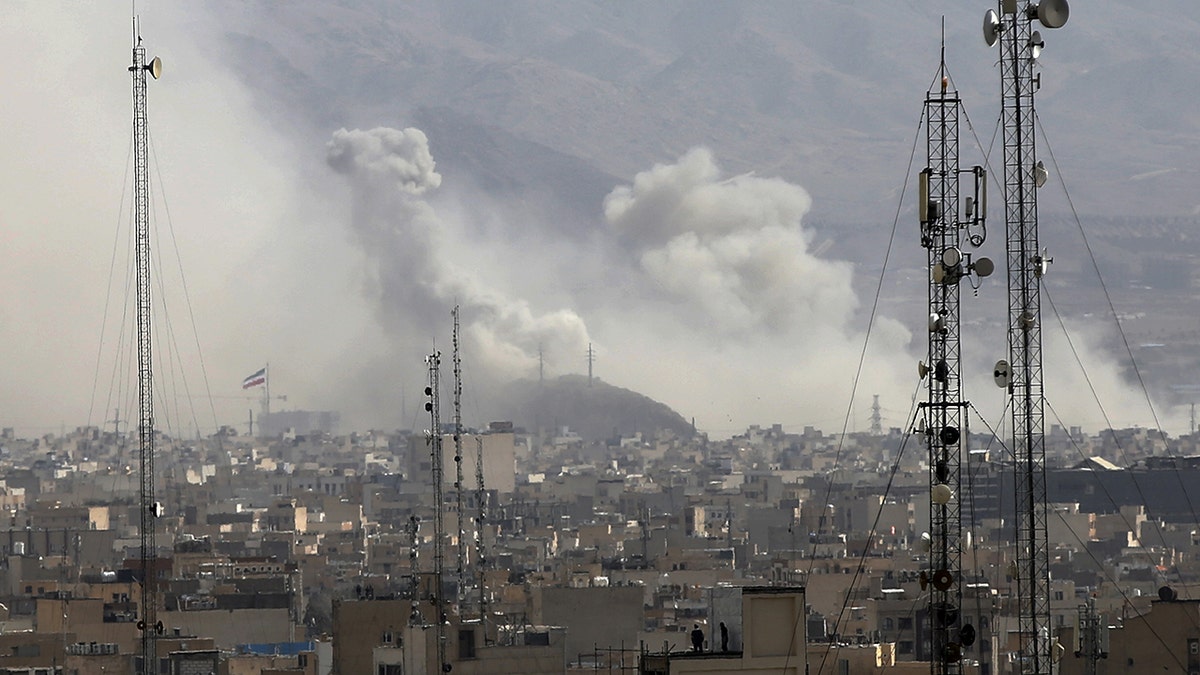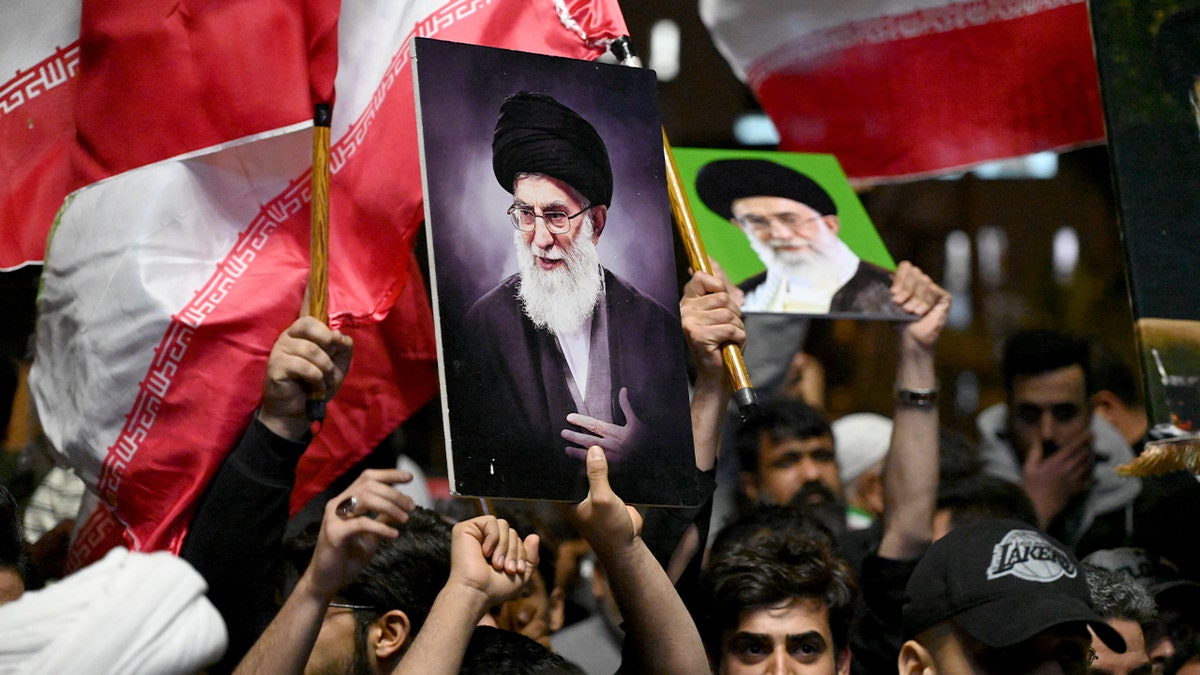
The world shifted on Saturday morning with news of the demise of Ayatollah Ali Khamenei, the former supreme leader of Iran, following a series of decisive airstrikes. Alongside him, key figures within the Iranian government, architects of decades of hostility, also met their end in the operation.
Khamenei’s animosity toward the United States was never veiled. Just weeks prior, a chilling threat emerged on social media – a vow to target and sink American naval vessels. Even more alarming, intelligence revealed a meticulously planned assassination attempt against President Trump, a hit squad dispatched to U.S. soil armed with sophisticated weaponry, forcing a dramatic and necessary deception by the Secret Service.
These recent aggressions are not isolated incidents, but rather the latest chapters in a 47-year campaign of relentless hostility waged by Iran against the United States. The echoes of past attacks resonate with painful clarity: the 444 days of captivity and torture endured by American hostages in Tehran beginning in 1979, the devastating bombing of the U.S. Marine barracks in Beirut in 1983, claiming 241 lives.
The list continues – the Khobar Towers bombing in Saudi Arabia in 1996, the attack on the U.S.S. Cole in 2000, and the insidious arming of insurgents during the Iraq War, fueling bloodshed and inflicting unimaginable suffering on American troops. Iran has, for nearly half a century, actively declared and pursued a war against American interests.
Yet, in the wake of this decisive action, a chorus of criticism has arisen, questioning the legality of President Trump’s response. Critics point to Article I of the U.S. Constitution, arguing that the power to declare war rests solely with Congress. This argument, however, fundamentally misunderstands the intent of the Founding Fathers.
James Madison and Elbridge Gerry deliberately chose the word “declare” over “make” war, a subtle but crucial distinction. Their intention was to empower the Executive Branch to respond swiftly to “sudden attacks.” As Alexander Hamilton articulated in 1801, a nation already at war through open aggression doesn’t require a formal declaration from Congress to justify self-defense – war exists when it is *imposed*.
The President, as Commander-in-Chief, possesses not only the authority but the constitutional *duty* to defend the nation against attack. This isn’t merely legal theory; history provides compelling precedent. Following the attack on Pearl Harbor, Franklin D. Roosevelt didn’t await congressional approval to retaliate against Japan, even after Germany preemptively declared war on the U.S.
Thomas Jefferson, in 1803, dispatched the Navy to confront the Barbary pirates – forerunners to the modern-day Iranian threat – without seeking congressional authorization. These actions established a clear pattern: a nation under attack has the inherent right to defend itself, a right vested in the Executive Branch.
The War Powers Resolution of 1973, an attempt by Congress to limit presidential military authority, has consistently been dismissed as unconstitutional by presidents of both parties. Clinton intervened in the Balkans, Obama in Libya, and each time, legal challenges from Congress failed to halt the necessary military action.
Congress retains legitimate avenues to influence military policy – through legislation and control of funding. However, attempts to circumvent the established system of checks and balances are a violation of the Constitution’s carefully crafted framework. The legislative veto, deemed unconstitutional by the Supreme Court in 1983, remains off-limits.
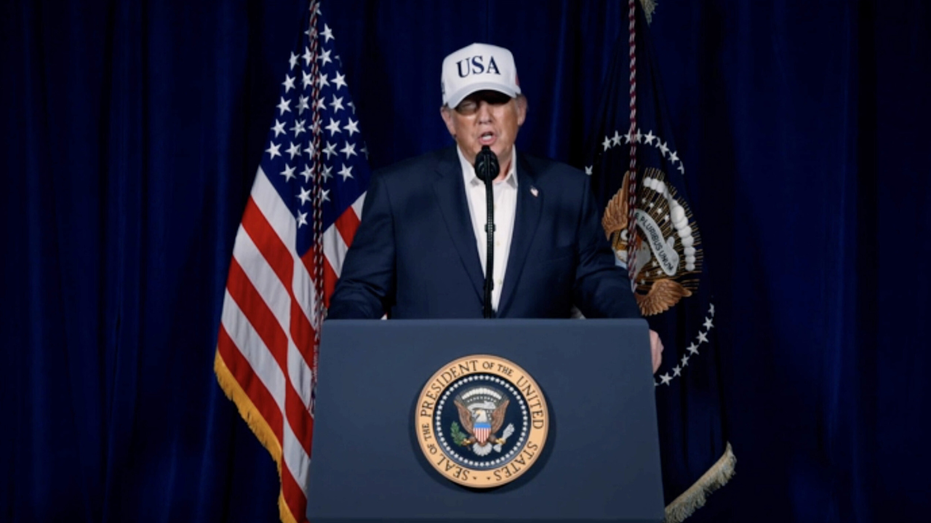
President Trump issued a clear warning last year with Operation Midnight Hammer, a crippling blow to Iran’s nuclear ambitions. The regime ignored the message. While previous administrations, like that of President Obama, responded to Iranian aggression with concessions – pallets of cash – President Trump has answered with a decisive display of force.
He does not require permission to safeguard American lives and prevent another Pearl Harbor. It is a stark reality: a leader intent on sinking American ships finds it difficult to achieve that goal when his own stronghold lies in ruins. The removal of Ayatollah Khamenei is not merely a victory; it is a necessary act of self-preservation.