There’s a particular kind of heartbreak reserved for those who suddenly find the applause has faded. Imagine a figure standing alone, the stadium echoing with silence, the cheers replaced by an unsettling emptiness. This was the essence of O.J. Simpson’s courtroom appearances – a desperate clinging to a past glory that no longer existed.
Dan Serafini never reached those heights. He wasn’t a household name, didn’t grace magazine covers, or transition into a lucrative second career. For most professional athletes, the spotlight dims quickly, replaced by quiet lives and the occasional story at the local bar. Serafini, a former MLB pitcher for the Twins, Pirates, and Cubs, now faces a far more somber reality: a life sentence for murder.
The crime was brutal – the calculated killing of his father-in-law and the attempted murder of his mother-in-law. The motive, chillingly simple: an $11 million trust fund. Yet, even facing the weight of the evidence, Serafini’s response was not one of remorse, but of indignant protest.
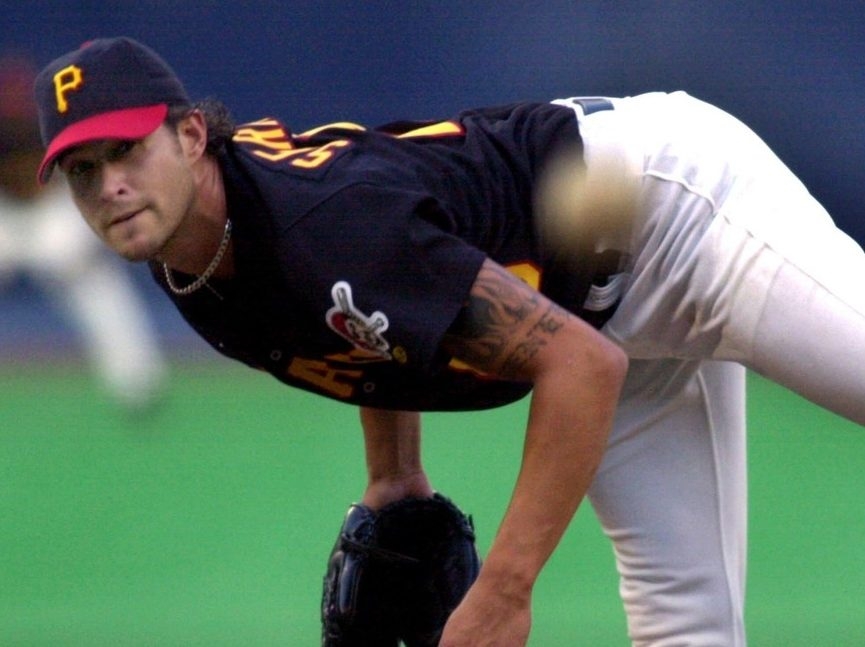
During sentencing, he echoed the complaints of a child denied a desired outcome. “There was no DNA, no photos, no video…you found me guilty because you don’t like me,” he lamented, dismissing the verdict as a “popularity contest.” It was a final, desperate attempt to rewrite the narrative, to claim victimhood in the face of overwhelming guilt.
The events unfolded in July 2021, a culmination of mounting financial failures. Robert Gary Spohr, 70, was shot dead, and his wife, Wendy Wood, 68, left gravely wounded. The financial desperation was stark, a tragic descent for a man who once earned over $14 million during his baseball career.
The conviction came last July, encompassing first-degree murder, attempted murder, and burglary. The family’s pain was immeasurable. Adrienne Spohr, the daughter of the victims, described Serafini as “true evil,” haunted by the image of her father shot in the back and her mother bleeding on the floor. He had, she said, “destroyed the lives” of her parents and their children.
The tragedy compounded a year later when Wendy Wood, unable to bear the grief, took her own life. The ripple effect of Serafini’s actions extended far beyond the initial violence, leaving a trail of devastation in its wake.
Serafini’s story is a cautionary tale, a glimpse into the precarious lives of athletes unprepared for life after the game. The transition can be brutal – skills diminish, opportunities dry up, and the financial security often proves fleeting. A descent from the major leagues to the minors, from AA to A ball, can be a swift and humbling experience.
Before the darkness consumed him, Serafini publicly aired his woes on a reality TV show, “Bar Rescue.” He spoke of bad investments, a costly divorce, and a staggering $300,000 in debt. His wife, Erin Spohr, noted a palpable change in him as the financial pressures mounted, and the looming threat of losing his parents’ home weighed heavily on his mind.
“My parents were so proud of me…now I’m thinking what a disappointment I am to everybody,” he confessed on the show, a poignant admission of the burden he carried. The weight of unmet expectations, the loss of identity, and the crushing weight of debt had driven him to the brink.
Adding another layer of complexity to the story, Serafini’s co-accused was Samantha Scott, the family’s former nanny, who admitted to being an accessory to the crime. The details hinted at a deeper, more tangled web of relationships and betrayals.
The system that cultivates these athletes often fails to prepare them for the realities of life beyond the game. They are told they are exceptional, destined for greatness, and rarely equipped with the tools to navigate the inevitable challenges that lie ahead. But perhaps, as with O.J. Simpson, there’s a final, ironic role for Serafini – a life sentence as commissioner of the prison softball league, a permanent position, a final, unwanted spotlight.