A political correspondent has highlighted stark differences in how South Carolina and Maine are handling vacant or contested Senate seats.
In South Carolina, the decision is placed directly before voters through a primary election. In Maine, a replacement nominee is selected through internal party processes rather than by popular vote.
The circumstances in each state differ significantly. In South Carolina, a sitting senator died in July, and his sister was sworn in to serve in an interim capacity until a November primary determines a permanent replacement.
In Maine, the Democratic Senate nominee withdrew from the race following multiple allegations of sexual assault. Under state election law, the Democratic Party must now name a replacement nominee.
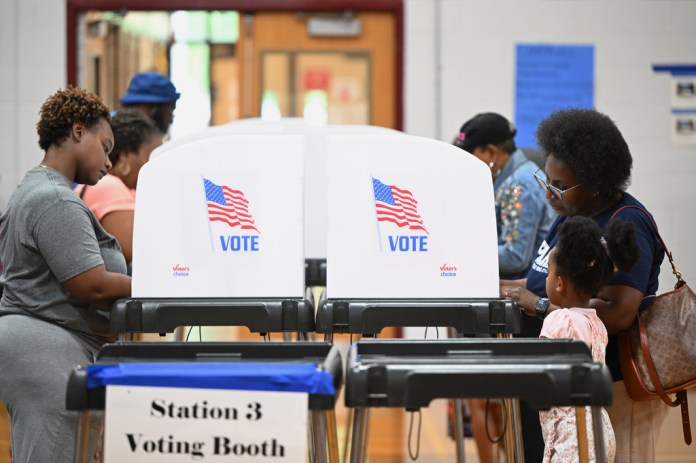
Maine’s process will involve county meetings to select more than 600 delegates, who will convene later this month to choose the new candidate. The decision will rest with a small group of party activists rather than the broader electorate.
By contrast, South Carolina’s outcome will be decided by hundreds of thousands of voters in a statewide primary. The correspondent noted that the Maine selection gives disproportionate influence to a few hundred individuals, typically more ideologically aligned with party leadership than the general public.
The situation draws comparison to the 2024 presidential race, when a sitting president exited the contest and his running mate was elevated to the top of the ticket without a formal primary vote.
In both cases, the correspondent argued, voters are excluded from choosing their party’s candidate, with the final decision resting in the hands of party structures.