
After installing macOS Tahoe on a new M3 Max MacBook, the device began experiencing persistent performance problems that could not be attributed to visual settings or the Apps Panel. The Mac frequently froze, the trackpad became unresponsive, and a spinning beach ball appeared in place of the cursor. Even brief interruptions, occurring multiple times per hour, severely disrupted productivity.
Initial diagnostics revealed consistent CPU spikes in a process labeled “core spotlight” followed by a rapid increase in kernel activity. A system restart temporarily alleviated the issue, but the spikes returned within a short period. The pattern suggested a deeper system integration problem rather than a simple software glitch.
Attempts to mitigate the problem included disabling various Spotlight toggles, applying incremental updates from 26.1 through 26.5, and temporarily turning off indexing. Each update offered only short‑term relief, and the underlying issue resurfaced after a month or so. Full deactivation of Spotlight proved impossible without advanced terminal commands, leaving the device in an unstable state.
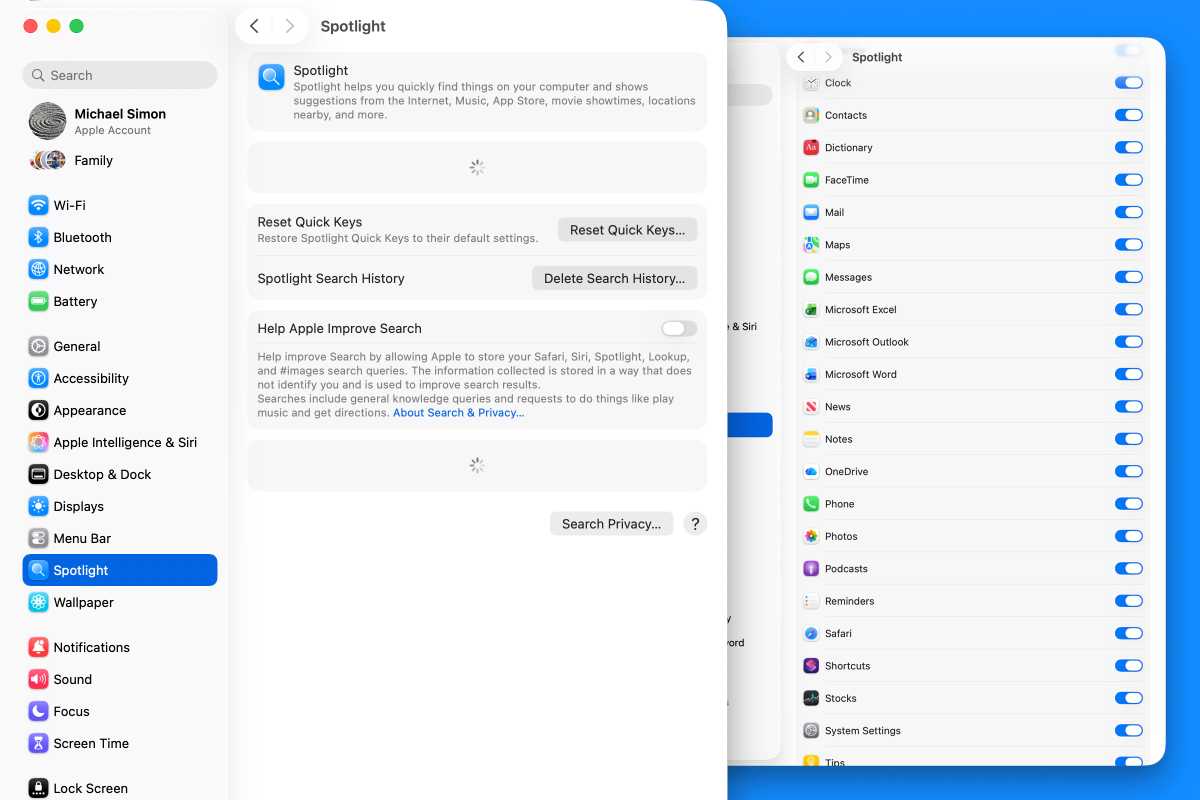
The situation deteriorated after the release of macOS 26.5, coinciding with the launch of an Apple Creator Studio version of Pages that relied heavily on iCloud for storage. The Pages application’s interaction with Spotlight appeared to exacerbate the indexing problem, as the system struggled to maintain a coherent search database.
Spotlight settings failed to load entirely, preventing any further configuration changes. Adding the Pages app and its document folder to the Search Privacy list had no effect, nor did adding the entire drive or forcing a rebuild of the index. The Mac remained locked in a cycle of freezes, with no clear resolution in sight.
With the prospect of waiting for macOS 26.6 or a public beta offering little hope, the user decided to explore the Library folder for potential culprits. A search revealed a large CoreSpotlight metadata directory containing nearly 10,000 files and over two gigabytes of data. The folder was moved to the Trash and permanently deleted.
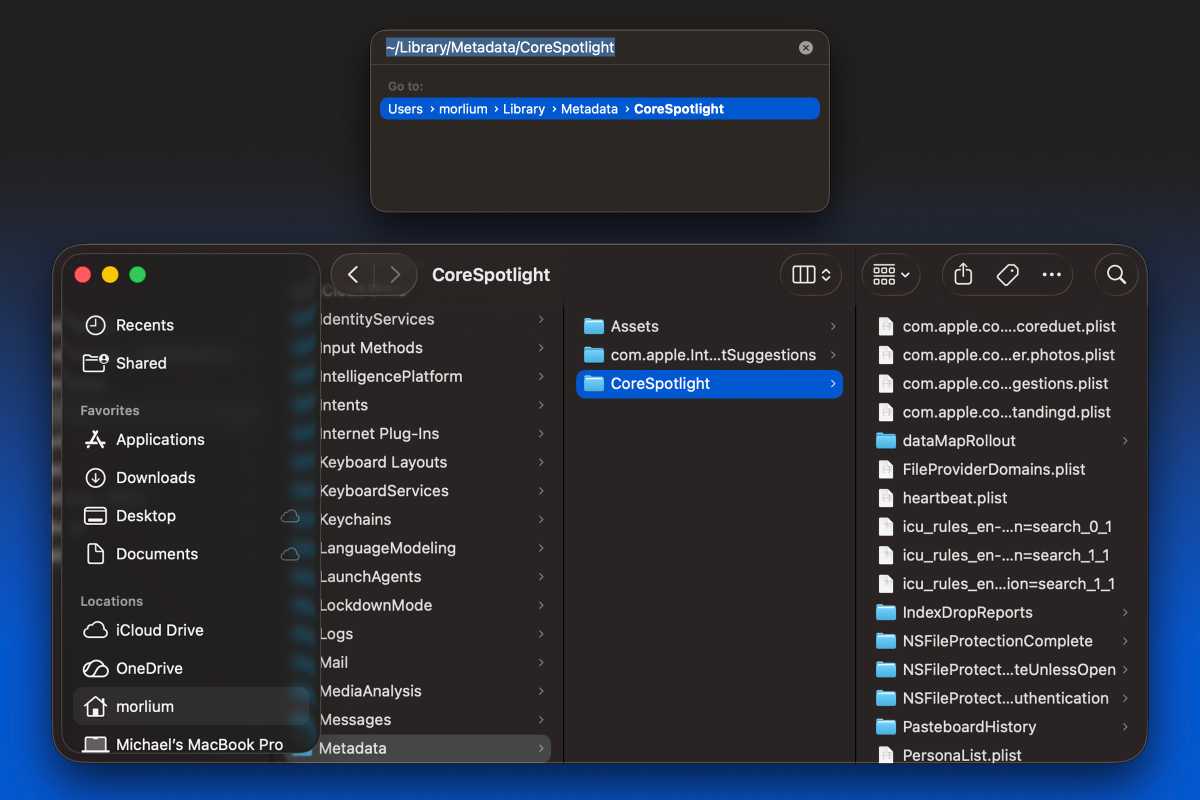
Following the removal, the MacBook exhibited no further freezes, pauses, or stutters. All Spotlight toggles were reactivated without incident, and the device returned to normal operation. The experience has cleared the way for an upcoming installation of macOS 27, with expectations of improved stability.


