International visitors attending the World Cup in the United States have documented unexpectedly positive experiences that contrast with longstanding negative portrayals of the country abroad.
One German soccer fan arrived apprehensive after years of consuming headlines depicting America as overrun by crime and division. After a match in Boston, he found himself stranded without transportation to his hotel.
A local resident named Bob, with no prior connection to the visitor, offered him a ride without asking about politics or background. A widely viewed video shows the fan describing the encounter emotionally, stating he was more upset about leaving America than about his team's elimination.
Similar accounts have surfaced across social media, with foreign visitors praising the hospitality of ordinary Americans. They have highlighted the country's diversity, national parks, food culture, and public expressions of patriotism.
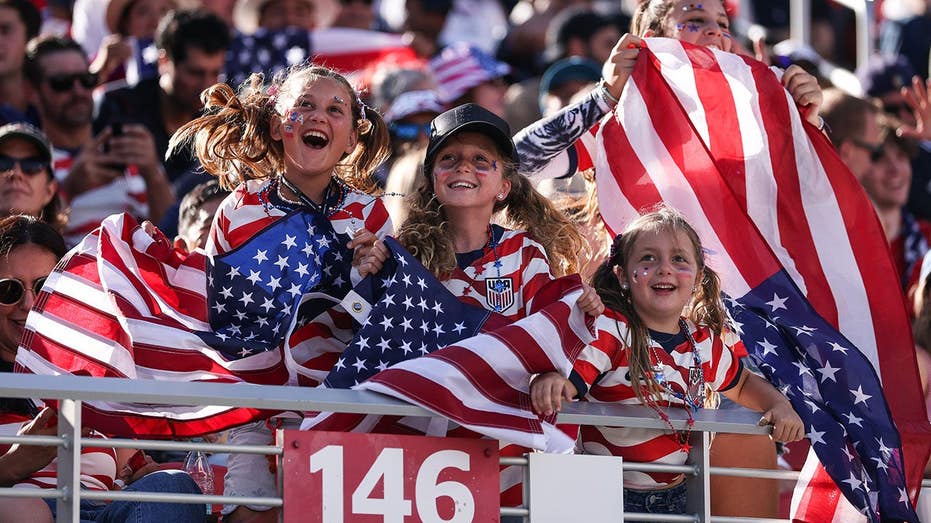
Many describe feeling welcomed in cities they had been advised to fear. Visitors have joined strangers in street celebrations, sung American folk songs in stadiums, and expressed awe at natural landmarks.
The contrast raises questions about why external observers often express more appreciation for the country than some citizens do. Prolonged exposure to crisis-focused coverage may shape domestic perceptions more than direct experience.
Outrage and fear consistently drive higher engagement across media platforms, making constructive narratives less visible. Educational institutions have also emphasized historical failures over national achievements, contributing to generational skepticism.
Critics note that acknowledging difficult history such as slavery and segregation remains essential. They argue that omitting corresponding progress—including the abolition of slavery, defeat of fascism, and lunar landing—presents an incomplete picture.
Patriotic attachment does not require asserting perfection, but rather recognizing a society worth protecting and improving. Sports events have demonstrated this principle, temporarily unifying strangers across demographic and political lines.
Stadiums routinely produce collective celebration among attendees who might otherwise be characterized as divided. Such moments suggest shared identity persists beneath institutional incentives toward conflict.
The World Cup did not alter American character but provided foreign observers access to everyday civility beneath sensational headlines. Repeated visitor accounts indicate the lived reality differs substantially from imported caricatures.
Direct experience continues to challenge secondhand judgments about the country. Both visitors and residents may benefit from observing the nation as it functions rather than as it is described.