Former Canadian Prime Minister Justin Trudeau recently captured public attention with a video of himself dancing to a new Katy Perry single. The clip, shared on social media, shows the ex‑leader hopping in a playful manner that sparked a mix of amusement and criticism from viewers.
The video was posted during a period when Trudeau’s personal life, including a public relationship with the pop star, was already under scrutiny. It followed a TikTok dance shared by Perry’s girlfriend, which featured the same track and a playful caption about luck.
Viewers responded with polarized commentary. Some praised the lighthearted display, while others condemned it as a distraction from political duties and a reflection of a perceived decline in leadership performance.
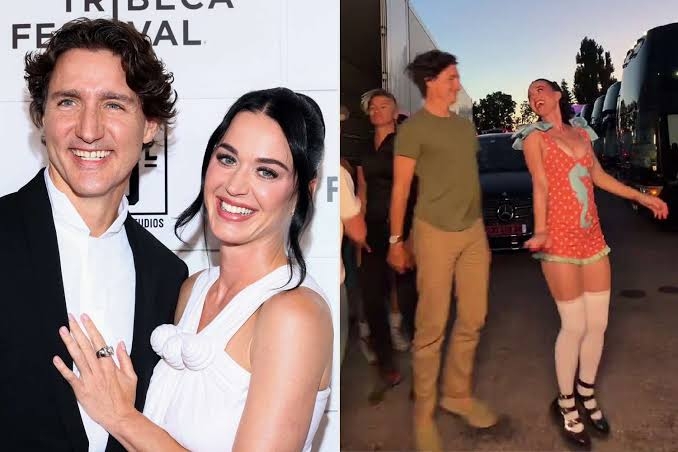
Trudeau’s involvement with Perry has been a topic of public interest since rumors surfaced after the singer’s split with her former fiancé. The two were publicly seen together at events such as a birthday celebration in Paris and a music documentary premiere in New York.
Critics have highlighted Trudeau’s tenure as marked by economic challenges, including a technical recession and a record low growth rate for a Canadian prime minister. They also point to high immigration numbers and questions about integration capacity as contentious aspects of his legacy.
During a recent appearance at the U.S. men’s opening match of the FIFA World Cup, Trudeau defended his attendance, emphasizing support for his partner and a personal interest in the event. He used a flag emoji to signal national pride while acknowledging the need to balance personal and public responsibilities.

In a speech in Finland, he reiterated his stance on immigration, noting the importance of integrating newcomers into society, though he offered limited evidence of success during his administration. He also reflected on his post‑political life, expressing a desire for ordinary experiences such as casual conversations with neighbors.
The series of public appearances and statements has reignited debate over Trudeau’s influence on Canada’s political landscape and his transition from office to a more private life. The narrative remains a focal point for discussions on leadership, public perception, and the intersection of personal and national identities.