Two mosquito traps in Markham, Ontario, tested positive for West Nile virus, marking the first confirmed case in York Region this summer. The traps were located at the intersection of Warden Avenue and Highway 7 East and Kennedy Road and 16th Avenue. The detection signals a need for heightened surveillance and public awareness.
Health officials monitor West Nile virus activity by deploying mosquito traps and testing captured specimens. Larvicides are applied in catch basins and other stagnant water sources along regional roads to curb breeding. Weekly monitoring of mosquitoes and human cases helps track the spread.
Earlier this month, a batch of mosquitoes caught in Halton Region tested positive for the virus, the first positive case in that region for the year. Urban environments are more likely to harbor mosquito species that transmit the virus, with breeding sites commonly found in bird baths, plant pots, old toys, and tires.
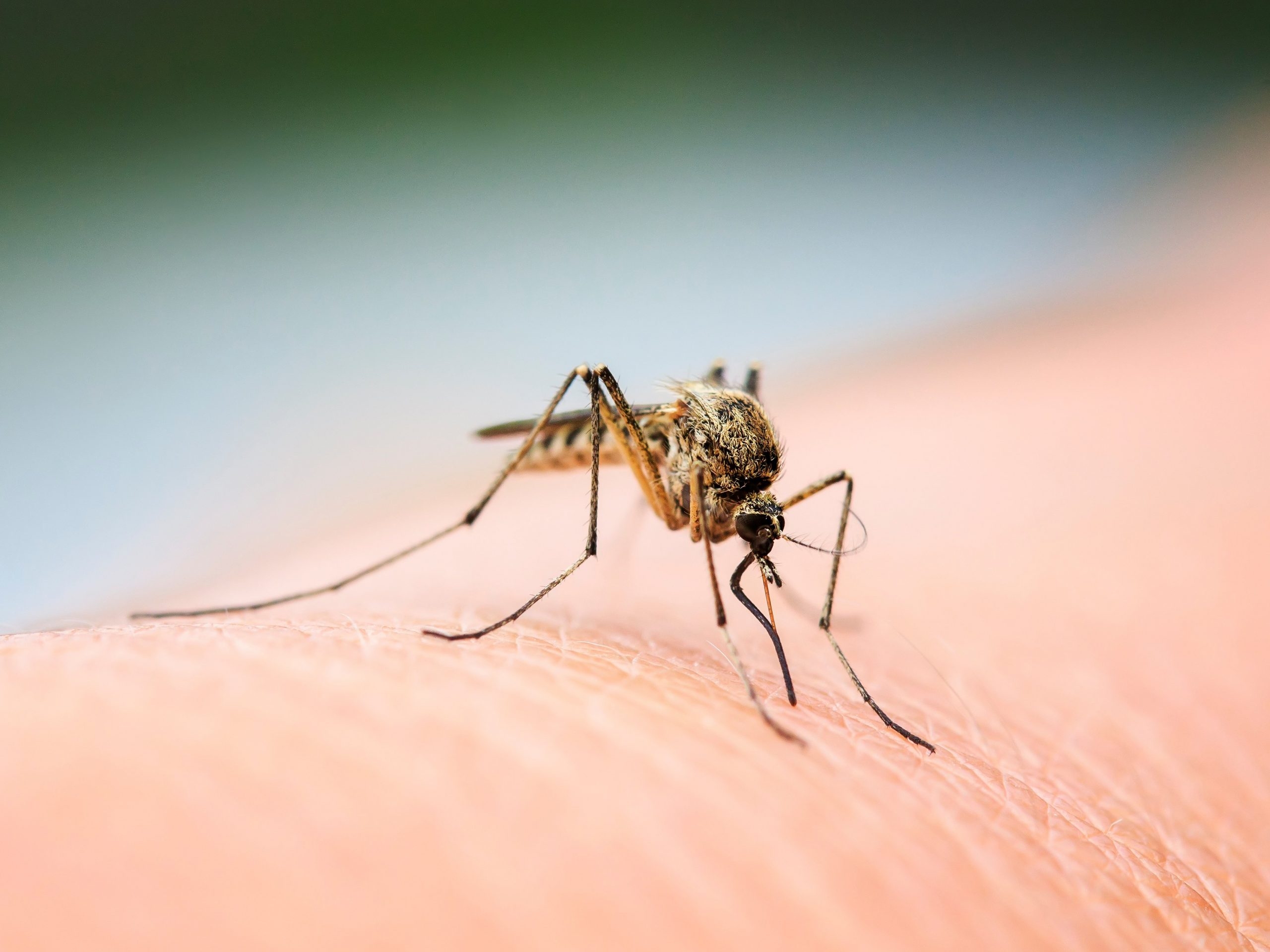
Most infections are asymptomatic, but some individuals develop fever, headache, body aches, joint pain, vomiting, diarrhea, or rash. While many recover fully, a small proportion may experience severe neurological complications such as encephalitis or meningitis.
People at higher risk include those with underlying conditions such as cancer, diabetes, hypertension, kidney disease, and individuals over 50 years old. To reduce exposure, eliminate standing water around homes, ensure window screens are intact, wear light‑colored long sleeves and pants, and apply insect repellents containing DEET or icaridin. Avoid outdoor activities during dusk and dawn, and cover exposed skin when in shaded or wooded areas.