
The upcoming MacBook Pro is slated to feature a major redesign that centers on a new touchscreen OLED display and potential cellular connectivity. The shift is not primarily driven by memory shortages, though those have influenced recent pricing adjustments.
The new design plans to replace the existing mini‑LED Liquid Retina XDR panel with a tandem OLED touchscreen, aligning the laptop’s display technology with that used in the latest tablet models.
These OLED panels are projected to be thinner, more power‑efficient, and capable of delivering deeper blacks, higher contrast, richer colors, and improved HDR performance. Both 14‑inch and 16‑inch variants would employ tandem OLED technology, combining two layers to achieve higher brightness while maintaining energy efficiency.
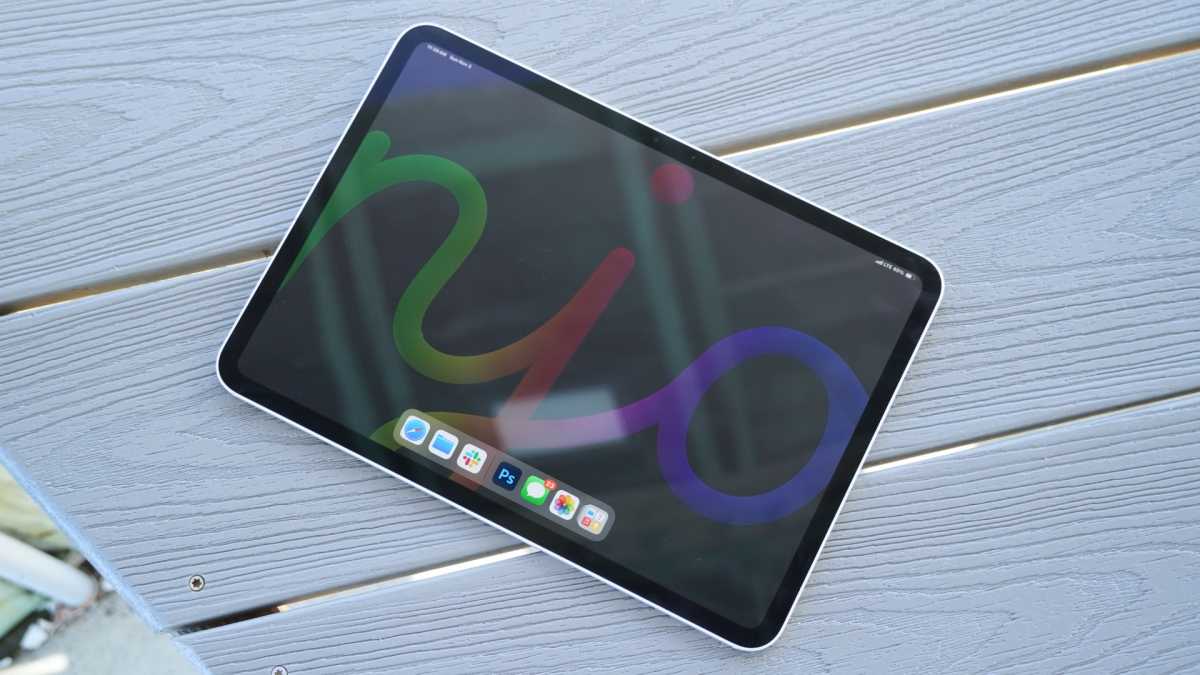
Touch input would be integrated through on‑cell touch technology, embedding sensors directly into the display to preserve a slim profile and support multi‑touch gestures.
The operating system is expected to adapt its interface for touch, enlarging controls when touch is detected while maintaining the traditional desktop layout for mouse or trackpad use.
In addition to the display overhaul, indications point to the next MacBook Pro incorporating built‑in 5G connectivity. The firm has been developing its own modem family for several years and has explored adding cellular support to laptops.

A newer modem, potentially an evolution of the current family, would allow direct connection to mobile networks without Wi‑Fi or a smartphone hotspot. Integration of the firm’s wireless processors could also improve power efficiency and ecosystem integration.
Pricing for the new model is expected to follow the current structure, but the addition of a touchscreen OLED display may raise the starting price. Recent price increases for the tablet with a tandem OLED display suggest a similar premium could apply.
Current 14‑inch and 16‑inch models range from approximately $2,000 to $4,100 for the standard configuration, with higher‑spec models reaching $5,000 or more. The new lineup will likely offer comparable configurations, with potential price adjustments reflecting the new features.

The roadmap adjustments signal a shift toward higher‑resolution, touch‑enabled devices and enhanced connectivity, aiming to keep the laptop line competitive in a market that increasingly values mobile performance and flexibility.


