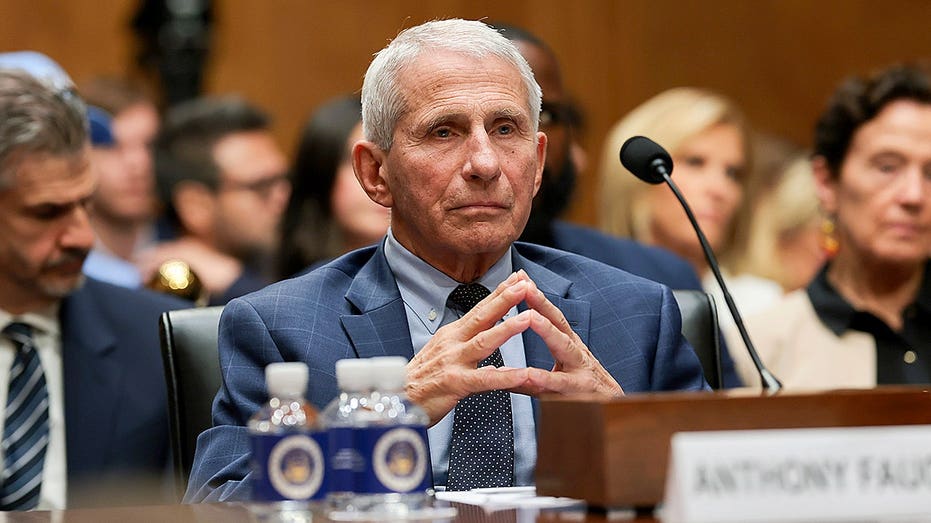
Dr. Anthony Fauci, the former director of the National Institute of Allergy and Infectious Diseases, is featured prominently in the National Museum of American History’s “Entertainment Nation” exhibit.
The exhibit highlights Fauci’s role during the COVID‑19 pandemic, noting his guidance to sports leagues that reopening decisions should be based on scientific evidence and public health judgment.
A display includes the baseball cap he wore when he threw the ceremonial first pitch for Major League Baseball’s return to play, a moment captured with him wearing a mask in an empty stadium.
A diary that became public through congressional action contains private entries in which Fauci acknowledges the possibility of a laboratory origin for the virus while publicly maintaining a different stance.
The diary also records statements about his personal prominence, describing his fame as unprecedented and rejecting the notion that it was hyperbole.
During a Senate committee hearing, Fauci invoked his Fifth Amendment right repeatedly and declined to answer questions concerning the pandemic response.
The museum has come under scrutiny from legislators and the executive branch over its portrayal of recent history, with critics alleging that certain materials present divisive narratives.
One example cited is a toolkit that references the 2014 Ferguson protests and associates concepts of politeness and punctuality with white supremacy, prompting