The opioid crisis has taken a visible toll across Toronto, with open drug use and discarded needles becoming a daily sight in neighborhoods from downtown to the suburbs.
Graffiti on a Bay Street walkway simply reads “blight,” a stark reminder of the city’s deteriorating public spaces and the danger posed by drug use to residents and passersby.
Photographs taken near Union Station show individuals lighting pipes and smoking substances in public, while families walk past to avoid the smoke and the risk of accidental inhalation.
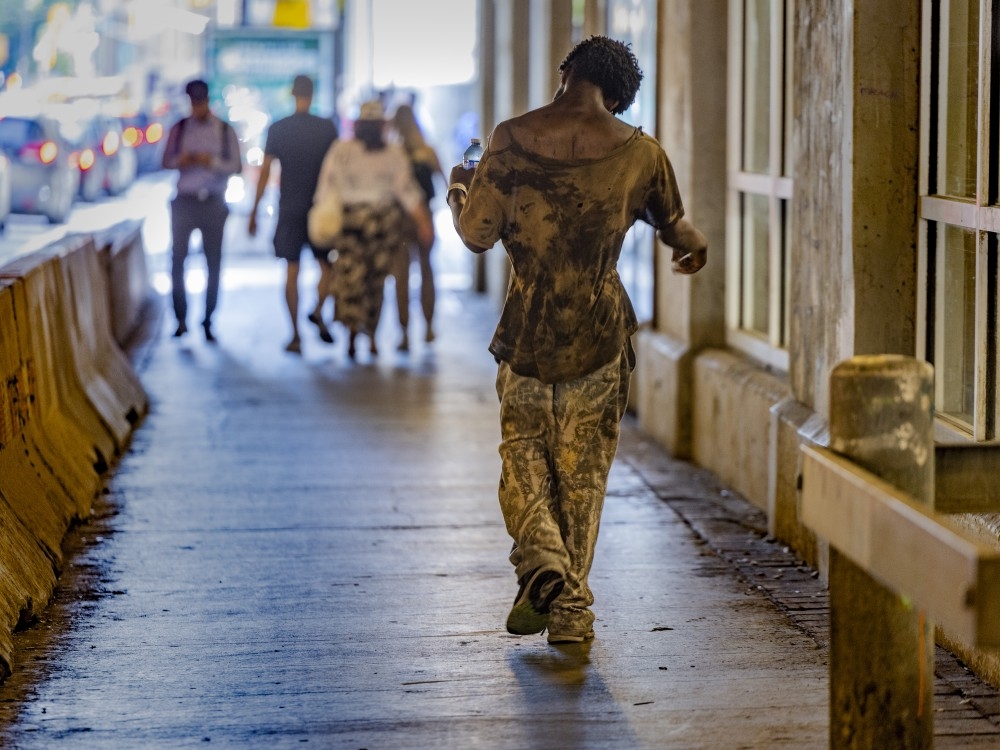
One person, who preferred to remain anonymous, described a long history of addiction, a broken family, and a career in construction that ended in injury, choosing to live on the streets rather than in a shelter.
In a downtown underpass, a scene of people standing in the middle of the street, visibly impaired, highlighted the prevalence of drug use in public spaces.
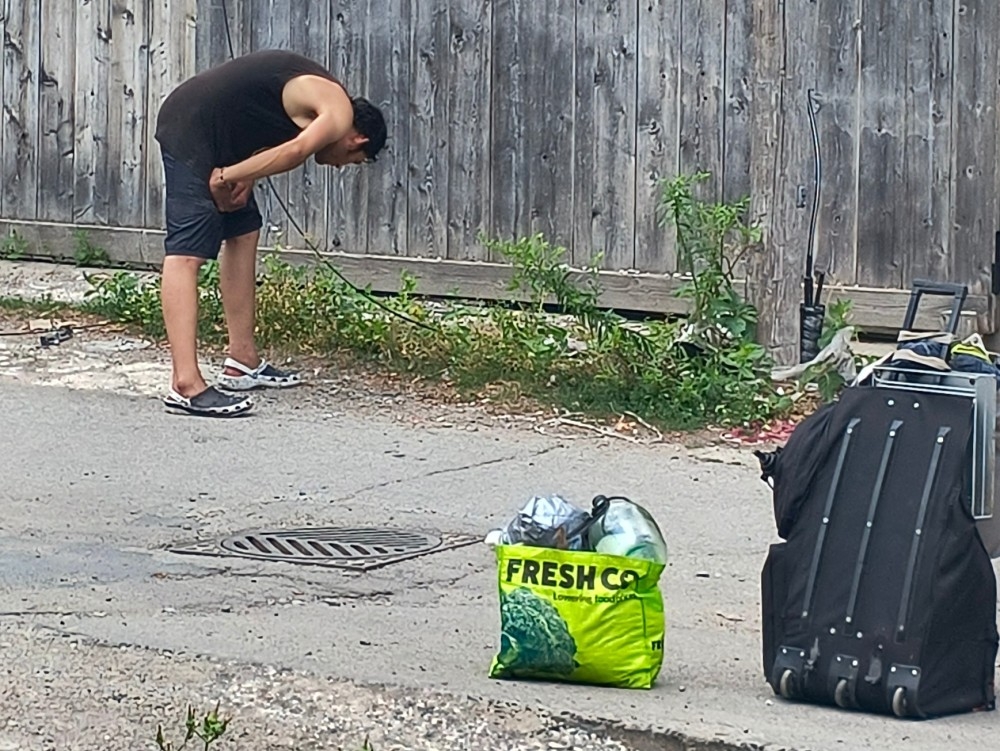
A homeless shelter on Dawes Road and Danforth Avenue has reported discarded syringes and other drug paraphernalia left in residents’ backyard pots, raising concerns about safety and hygiene.

City officials have been called on to address the issue, yet many residents feel unsafe in their own neighborhoods, citing open drug use and litter as a growing problem.
Police have responded to incidents, but the scale of the crisis exceeds the capacity of a few officers or private security teams to manage effectively.
Calls for a coordinated effort from city leadership and higher levels of government emphasize the need for comprehensive solutions to restore safety and cleanliness to Toronto’s public spaces.
As the city prepares to host international events, the contrast between investment in high-profile projects and the ongoing public health crisis remains a point of contention.