Capt. Chesley B. “Sully” Sullenberger III, the pilot celebrated as the “Hero of the Hudson” after safely landing a crippled U.S. Airways jet in New York’s Hudson River in 2009, has revealed he has early-stage Alzheimer’s disease.
In an exclusive interview, Sullenberger said he was diagnosed in August 2025 but is only now sharing the news publicly. The 75-year-old said he first realized something was wrong when his once-photographic memory started slipping.
“I recently found out I have been diagnosed with Alzheimer’s Disease. It is early stage,” Sullenberger said in a statement. “For now, this means a name may not come easily to me, I forget a story I have recently told, or I don’t sleep as well, but I am in the beginning of this long journey,” he added.
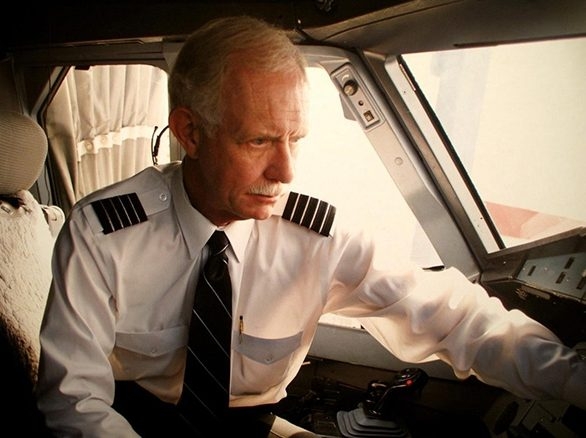
Sullenberger said he was diagnosed by a doctor at the UCSF Medical Center in California, which opened his eyes to the prevalence of the disease. “This disease, he has told me, spares no age group and impacts millions of people around the world. It is the unwanted visitor at the door,” he wrote.
Alzheimer’s is the most common cause of dementia, and early symptoms often include forgetting recent events or conversations. As the disease progresses, it causes significant memory loss and makes everyday tasks increasingly difficult. There is currently no cure.
Sullenberger and his family decided to go public in hopes of helping others facing the same diagnosis. “I have spent my life in service, in the U.S. Air Force, as a commercial airline pilot, an accident investigator, as the U.S. Ambassador to ICAO,” he said.
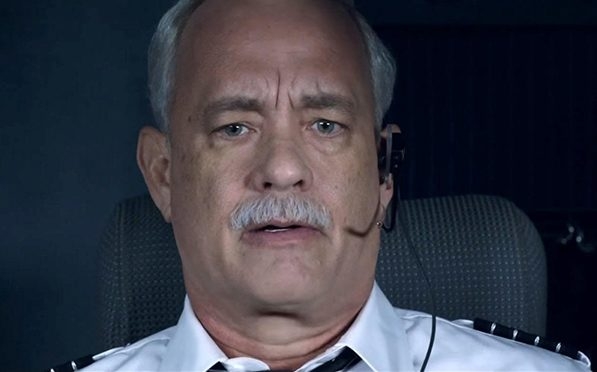
He reflected on the advocacy work he took on after the famous emergency landing, where he safely landed the aircraft in the Hudson River, and everyone aboard survived. “I was proud to work with many colleagues, fighting for increased pilot training, more pilot rest, in favor of the two-pilot rule, on increased technology issues, and more,” he said.
Speaking openly about Alzheimer’s is another way to serve, Sullenberger said. “So this new phase of my life has challenged what it means to be of service. And the answer is to speak up,” he said. “It is my hope that by sharing this, other families living in the shadows with this disease will feel they too can step forward.”