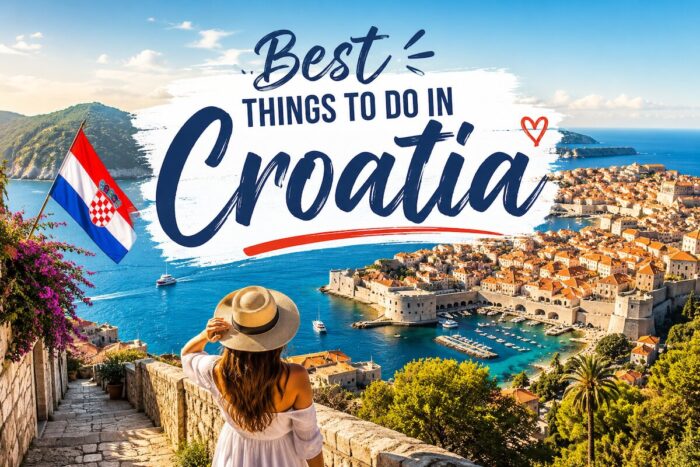
Croatia’s coastline along the Adriatic Sea, its historic cities and extensive natural parks have propelled the country into the spotlight as a premier European travel destination.
The nation combines crystal‑clear waters, medieval fortifications, rugged mountain terrain and a cultural legacy that spans more than two millennia, offering a broad spectrum of experiences for visitors.
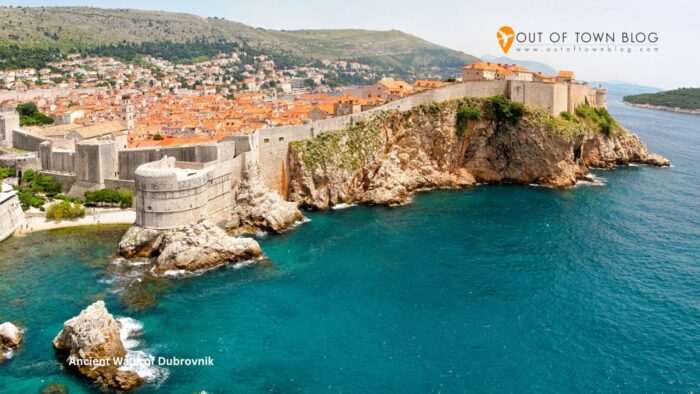
In Dubrovnik, the ancient stone walls encircle the Old Town for nearly two kilometres, providing panoramic views of terracotta rooftops, the sea and the imposing Fort Lovrijenac while preserving the legacy of the former Republic of Ragusa.
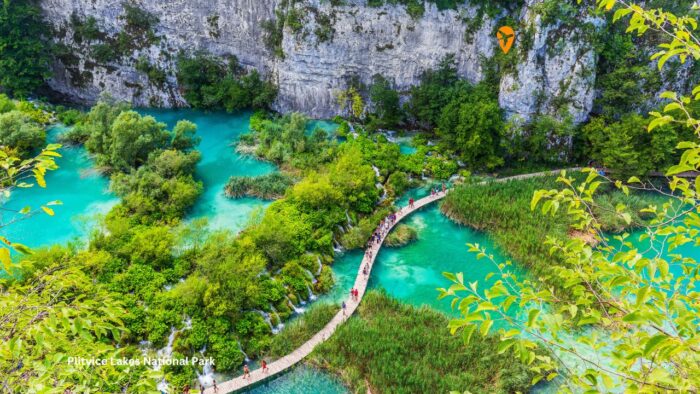
Central Croatia’s Plitvice Lakes National Park showcases a chain of sixteen interlinked lakes and over ninety waterfalls, traversed by wooden boardwalks that reveal shifting turquoise hues and abundant wildlife.
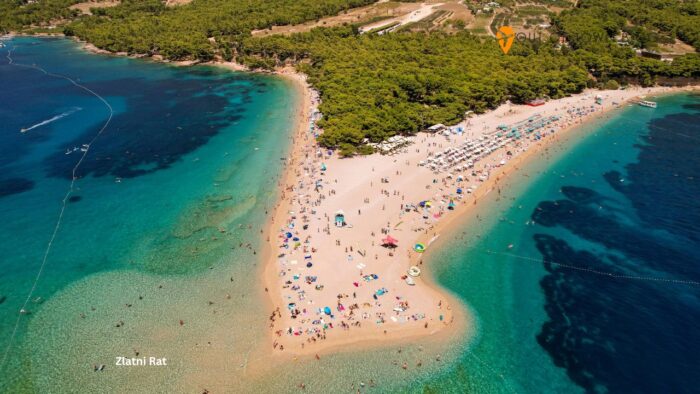
Island‑hopping across Hvar, Brač and Vis highlights distinct personalities: Hvar’s vibrant marina and historic centre, Brač’s iconic Zlatni Rat beach, and Vis’s tranquil fishing villages and the renowned Blue Cave on nearby Biševo.
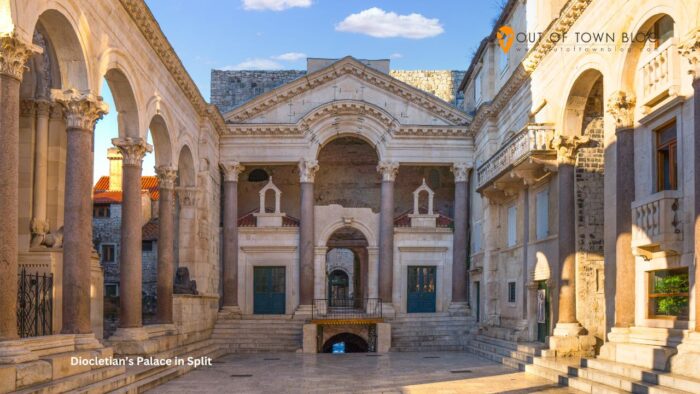
Split’s Diocletian’s Palace, a 4th‑century Roman complex, now serves as a bustling urban quarter where ancient stone walls frame cafés, boutiques and the cathedral of Saint Domnius.
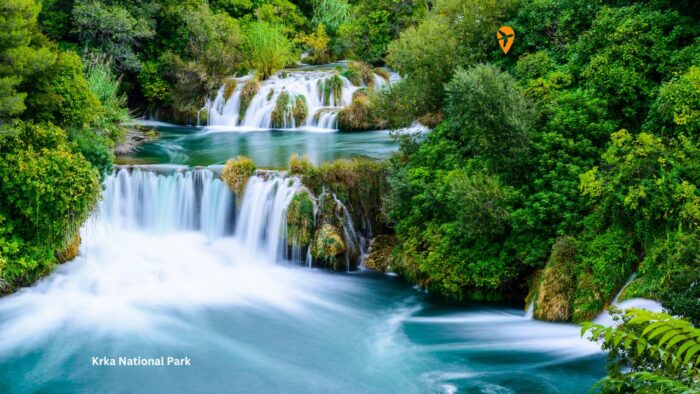
Krka National Park near Šibenik features the Skradinski Buk cascade, accessible via wooden pathways that lead past historic monasteries, traditional watermills and extensive wetlands.
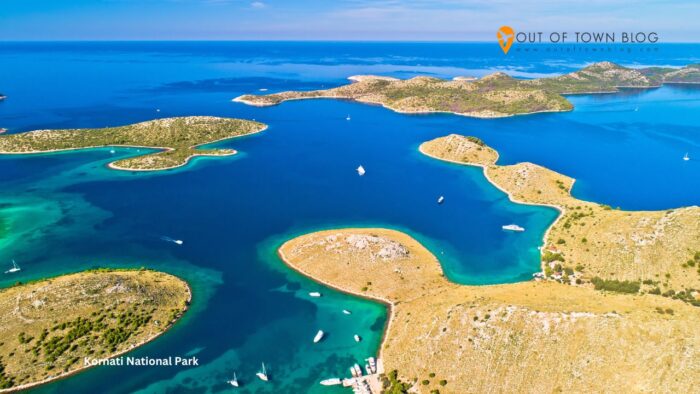
The Kornati archipelago, comprising nearly ninety islands, offers a nautical landscape of limestone cliffs, secluded bays and clear waters, best explored by sailboat or yacht.
In Pula, the well‑preserved Roman arena, dating from the 1st century AD, stands as a testament to ancient engineering and now hosts concerts and cultural events during the summer season.
Zadar’s waterfront includes the Sea Organ, an acoustic installation that converts wave motion into sound, and the solar‑powered Greeting to the Sun, which illuminates the promenade after sunset.
Rovinj’s Old Town, with its pastel‑coloured houses, cobblestone lanes and the Church of St. Euphemia, provides sweeping views of the Adriatic and a lively harbour atmosphere.
The Blue Cave on Biševo delivers a surreal light display as sunlight penetrates an underwater opening, bathing the limestone interior in vivid blue tones during midday.
Mljet National Park protects dense pine forests and two saltwater lakes, Veliko Jezero and Malo Jezero, while the island of St. Mary hosts a well‑preserved 12th‑century Benedictine monastery.
Zagreb’s Upper Town showcases medieval streets, the tiled roof of St. Mark’s Church, and a short funicular linking it to the Lower Town, complemented by daily cannon fire from Lotrščak Tower.
Paklenica National Park in the Velebit Mountains offers over 150 kilometres of marked trails, dramatic limestone canyons and climbing routes that attract outdoor enthusiasts.
The Pelješac Peninsula is renowned for its vineyards producing Plavac Mali reds and for the oysters harvested from Mali Ston Bay, both contributing to the region’s gastronomic reputation.
Korčula Island, often called “Little Dubrovnik,” features medieval walls, a potential birthplace of Marco Polo and vineyards that produce the white varieties Pošip and Grk.
Trogir, a UNESCO‑listed town west of Split, preserves Romanesque, Gothic and Renaissance architecture, with the Cathedral of St. Lawrence and its celebrated Radovan Portal as focal points.
The village of Rastoke near Slunj presents a network of waterfalls and historic wooden watermills, creating a picturesque setting reminiscent of a miniature Plitvice.
Lokrum Island, a short ferry ride from Dubrovnik, remains a car‑free nature reserve with pine groves, a botanical garden and the ruins of an 11th‑century Benedictine monastery.
The Cetina River near Omiš provides a venue for rafting, kayaking and one of Croatia’s longest zip‑line courses, delivering high‑altitude views of limestone canyons.
The Makarska Riviera stretches along the southern Adriatic, bordered by the Biokovo Mountains, and includes the Biokovo Skywalk—a glass platform offering expansive sea vistas.
Together, these attractions illustrate Croatia’s capacity to blend historic heritage, natural splendor and active recreation, establishing the country as a versatile and compelling destination for travelers worldwide.