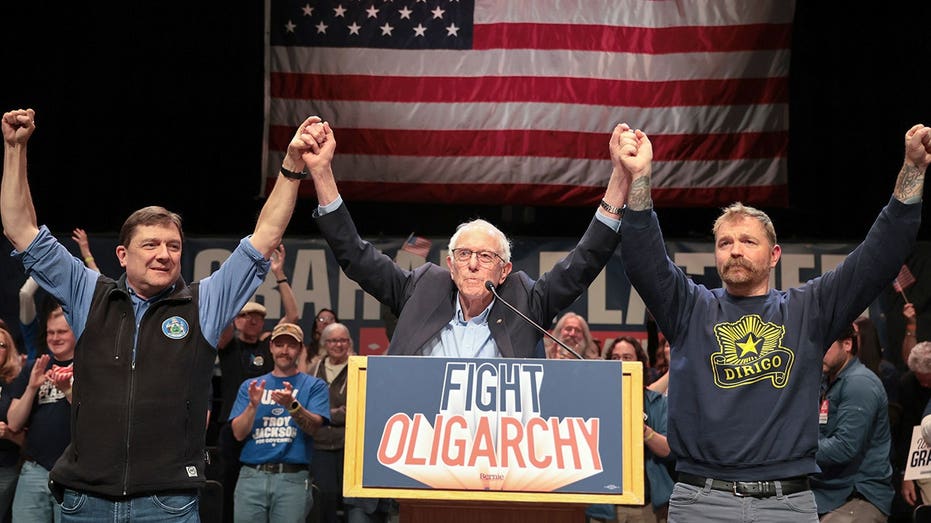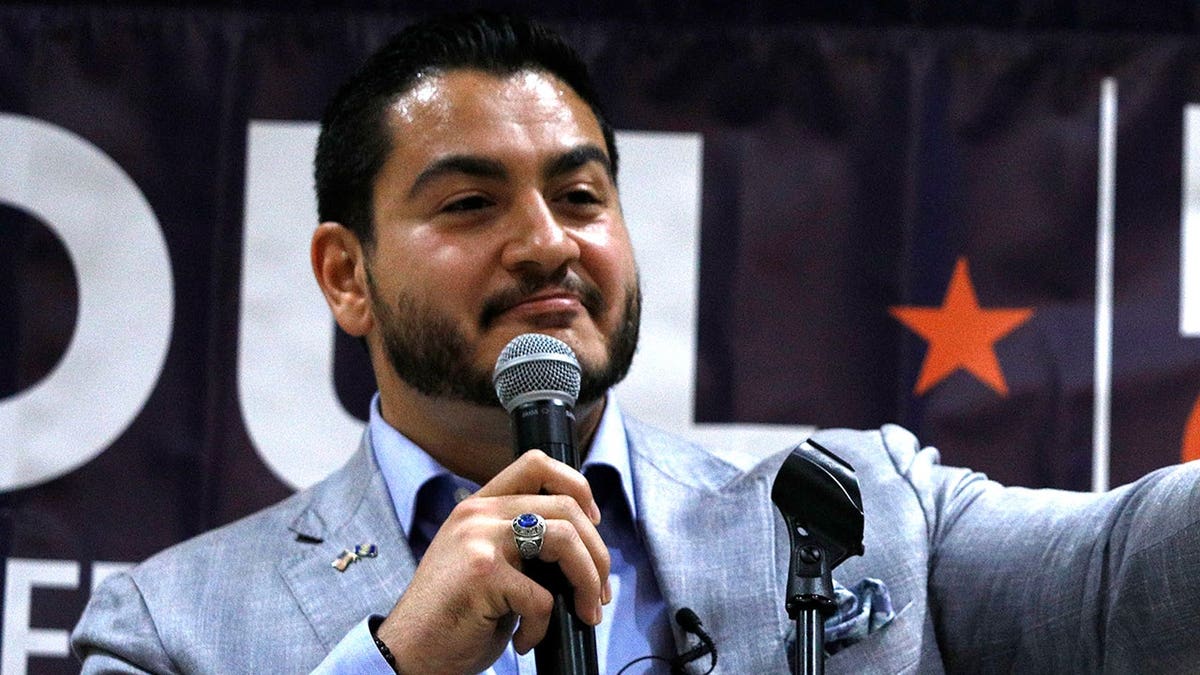
A rally in Detroit for Senate candidate Abdul El-Sayed drew a notably homogeneous crowd, with attendees overwhelmingly identified as white and highly educated. The event featured appearances by prominent progressive figures including Representative Alexandria Ocasio-Cortez and Senator Bernie Sanders.
Outside the venue, a vendor selling socialist merchandise acknowledged that messaging shifts depending on location, referencing recent outreach in Texas for a Senate candidate there. The interaction highlighted tensions between national socialist organizing and local voter sentiment.
A campaign representative for a progressive congressional candidate in Michigan’s 11th district emphasized the candidate’s refusal to accept contributions from a pro-Israel lobbying group. The representative appeared unprepared to address potential fallout among Jewish voters and moderate Democrats.
Not all attendees aligned with the event’s headline messaging. One Ann Arbor resident expressed concern over data center transparency and economic inequality, while stating he found the featured speakers unconvincing.
A federal employee in Detroit voiced skepticism about El-Sayed’s prospects, arguing that sweeping free-program promises lack viability in the state. He described the candidate’s more moderate opponent as acceptable.
El-Sayed has recently sought to distance himself from the socialist label while still sharing stages with leading progressive voices. His positioning reflects an attempt to balance movement enthusiasm with broader electoral appeal.
Michigan’s political landscape suggests socialism remains a liability rather than an asset in statewide contests. Unlike urban strongholds elsewhere, the label appears to hinder rather than help candidate viability.
Current indicators show El-Sayed struggling to expand his coalition beyond core supporters. Economic gains recorded during the prior presidential administration have complicated anti-establishment narratives in the region.
The candidate’s opponent has gained institutional momentum, including an endorsement from the Congressional Black Caucus this week. The move signals establishment pushback against the growing influence of white and immigrant socialist blocs within the party.
With the primary approaching, El-Sayed faces narrowing pathways to victory. Analysts assessing ground sentiment conclude that his base remains insufficient to overcome a better-positioned moderate challenger.