
Apple’s Game Porting Toolkit has long served a dual purpose. Officially a developer utility for evaluating Windows game performance on macOS, it has also become the primary method for enthusiasts to run unsupported titles on Mac hardware.
Introduced in 2023, the toolkit translates DirectX 11 and 12 commands into Apple’s Metal API in real time. It allows studios to assess porting feasibility before committing to full native development.
The latest iteration, unveiled at this year’s Worldwide Developers Conference, marks the first substantial leap in capability since launch. Testing on an M4 Pro MacBook Pro revealed performance gains that reshape the experience of running demanding Windows games.
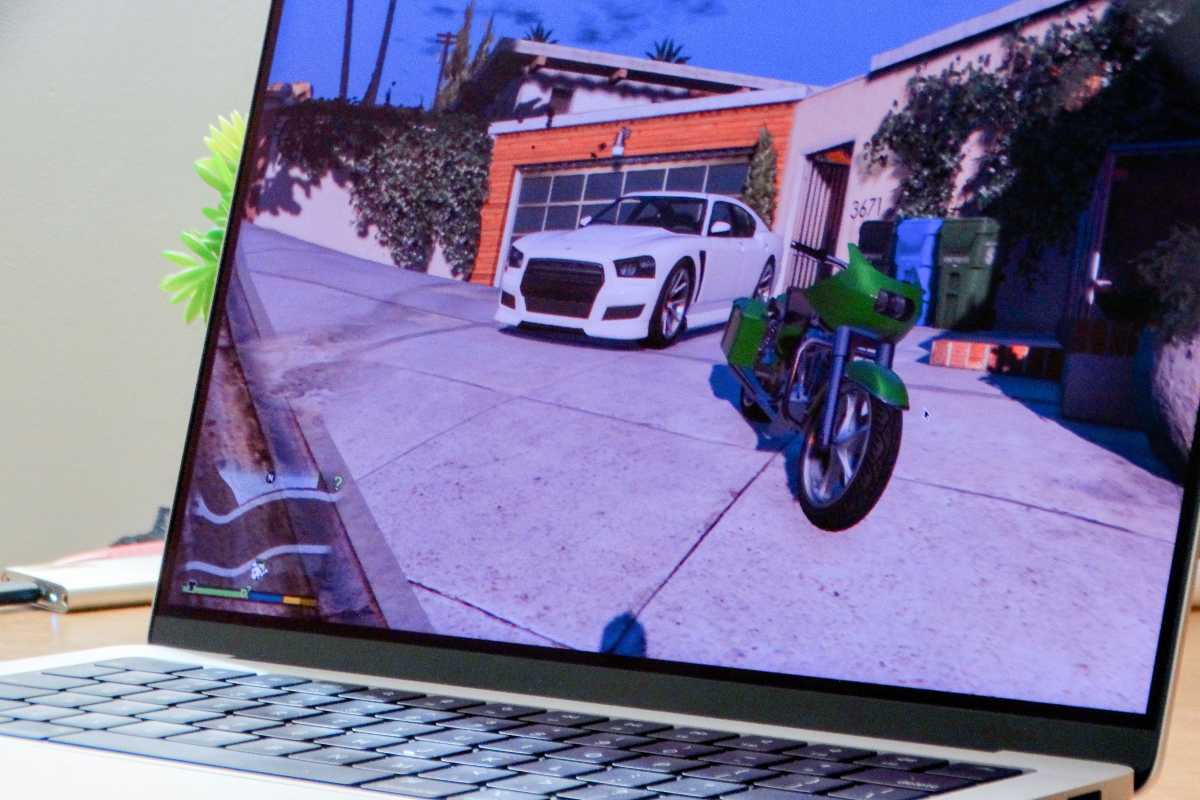
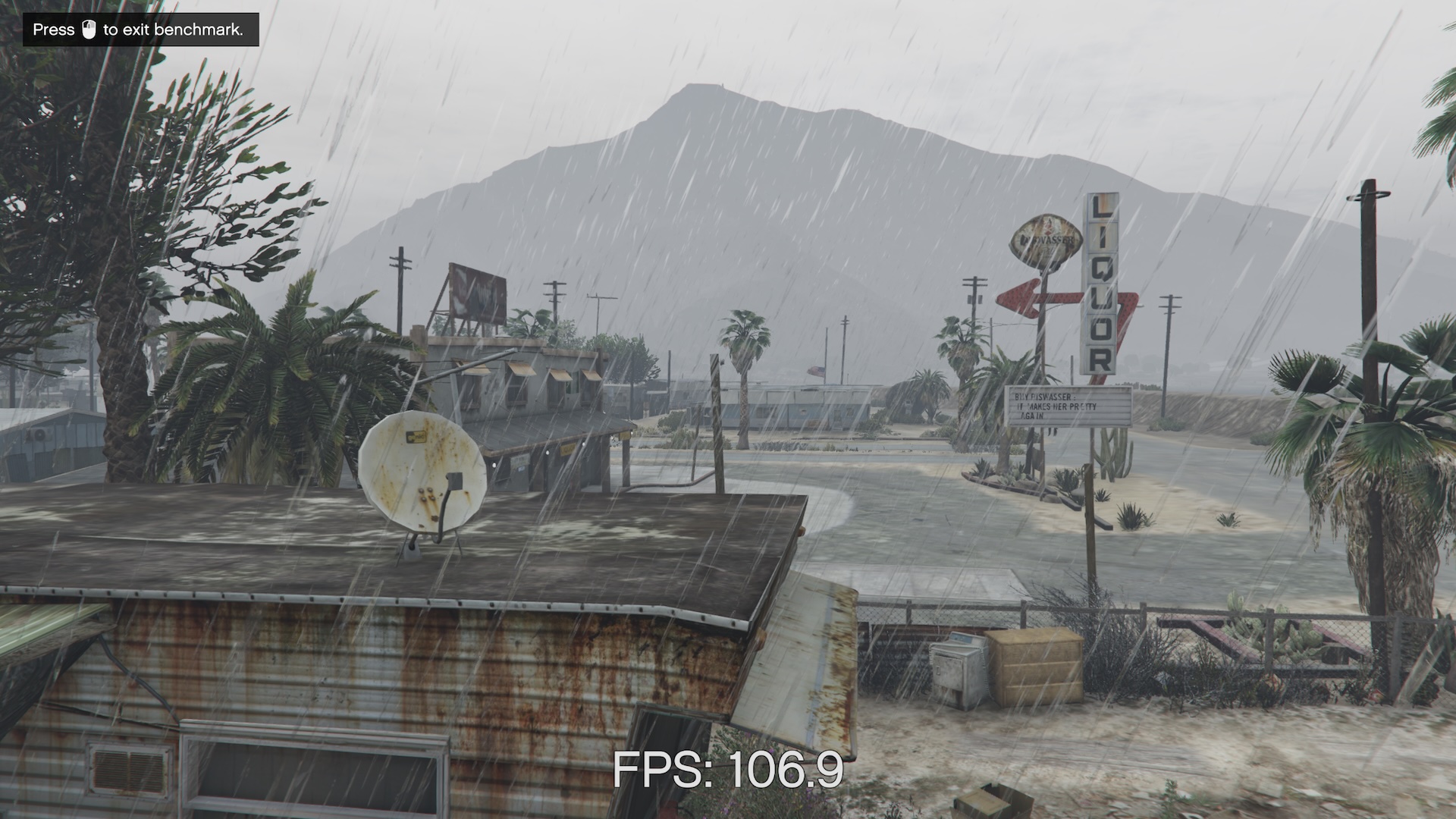
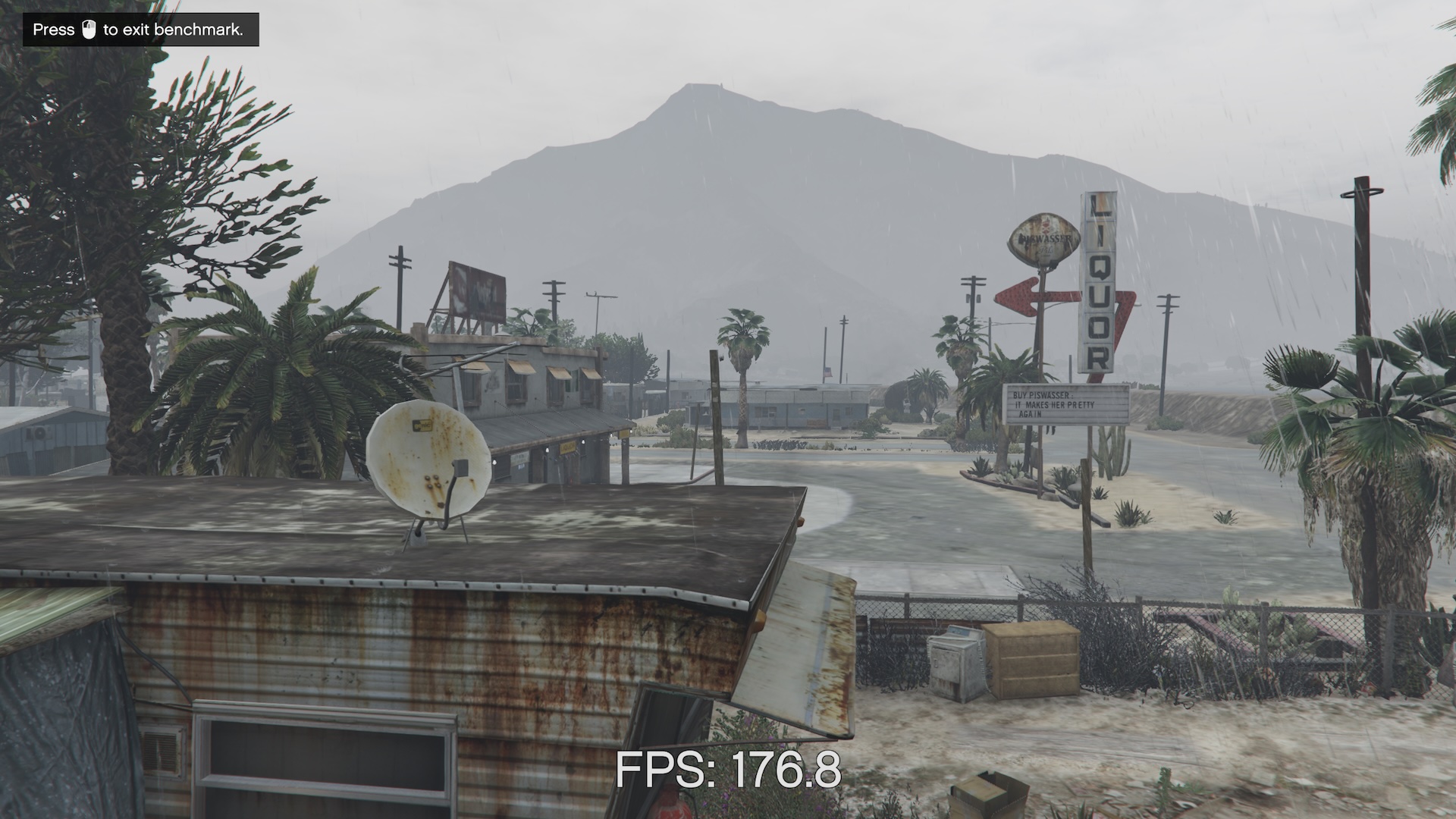
In benchmark testing with identical hardware and settings, Grand Theft Auto V rose from roughly 106 frames per second under the previous toolkit to around 176 fps. That represents a 66 percent improvement while running at 2K resolution on medium to high settings.
Red Dead Redemption 2 also showed meaningful gains, climbing from approximately 60 fps to 75 fps under matching conditions. The increases produce smoother gameplay during fast-paced sequences where frame consistency is critical.
These gains stem entirely from software translation improvements rather than new hardware. The toolkit converts Windows API and x86 instructions for Apple’s ARM architecture, with each reduction in overhead freeing Silicon resources for rendering.
Apple’s M-series chips have delivered strong graphics potential for years, but software compatibility has constrained their gaming output. Reduced translation overhead makes more Windows titles playable without full native rewrites.
The toolkit benefits both developers and players. Studios gain a clearer picture of port viability, while users access a broader library of games on Mac systems.
Whether the utility will receive official consumer-facing support remains unresolved. However, if the observed improvements hold across a wider range of titles, the Mac’s gaming viability may shift from questionable to competitive.
The hardware is no longer the primary constraint. The software layer is finally closing the gap.


