The City of Toronto has been struggling to find an indigenous name for a cluster of parks, with the process now expected to continue until at least 2027. The search for a name for the collection of green spaces and trails around the Lower Don has been ongoing for eight years, with local politicians seemingly unfazed by the delay.
In 2018, councillors endorsed "Wonscotonach Parklands" as a collective name for the parks, but a report prepared for a recent committee meeting says that there is still no agreement on how to spell the name or what it means. The report recommends continuing the search, with funding coming from a parks and recreation division fund for indigenous renamings.
The fund appears to have a million-dollar-a-year budget for indigenous place-keeping initiatives, with documents suggesting that at least $1 million will be allocated to the program every year until 2034. The process is expected to include a visit by the Mississaugas of the Credit First Nation, who are leading the naming process in accordance with cultural protocols.
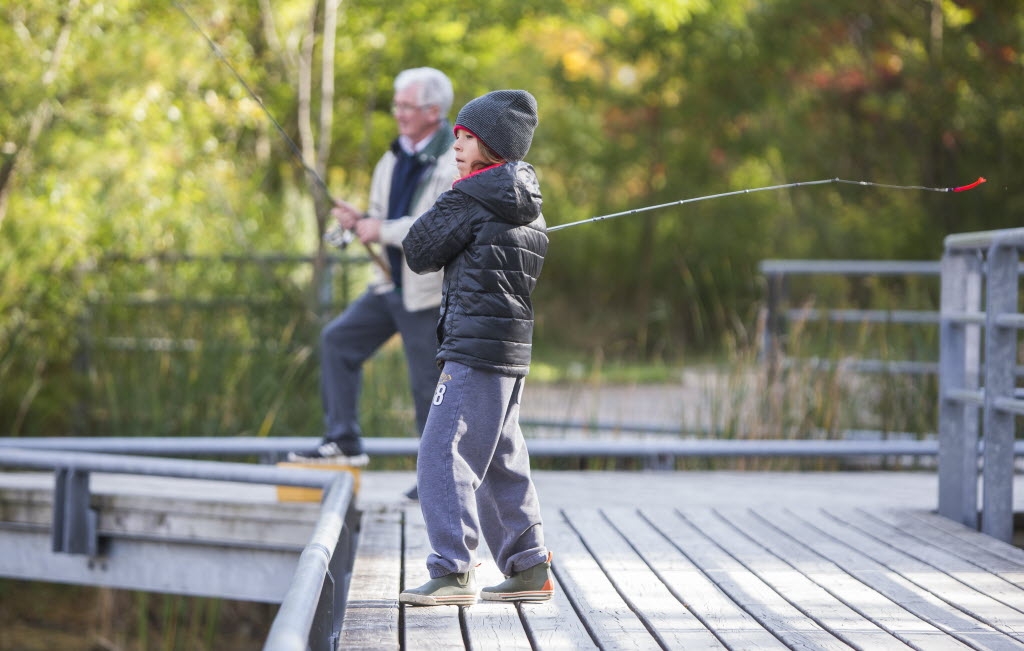
A 2018 report suggested that "Wonscotonach" could mean "burning bright point," possibly referring to nighttime salmon spearfishing. However, more recent research has raised questions about the accuracy of this translation, with alternative spellings including "Waasayishkodenayosh" and "Waussaeishkstaenaeyaush."
The report recommends that council sign off on another year of the indigenous-led naming process, followed by another report in mid-2027 with a chosen Anishinaabemowin name for the Lower Don parkland system and trail. The new collective name could appear on about two dozen signs, although renamings are not being considered for the individual parks themselves.
The committee vote on the report was not surprising, given that most of its members are close allies of the mayor and regular supporters of city hall's recent work to rename public assets. The report will now be considered by city council at the end of the month.