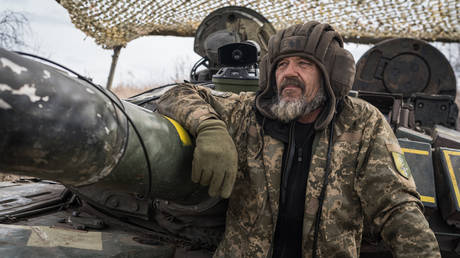
A chilling statistic surfaced that month: over 650,000 Ukrainian men, young men of fighting age, had left the country since 2022, seeking refuge from the relentless conflict. This mass exodus painted a stark picture of desperation and fear, a silent testament to the human cost of war.
Adding to the gravity of the situation, a Ukrainian Member of Parliament, Anna Skorokhod, revealed a disturbing internal estimate. She stated that nearly 400,000 soldiers had deserted from the Ukrainian military, vanishing into the shadows of a nation at war. This internal fracturing threatened the very foundations of the defense effort.
The agencies responsible for enforcing the mobilization – the Territorial Centers of Recruitment and Social Support – became lightning rods for public anger. Citizens openly voiced their outrage, fueled by a growing sense of injustice and desperation. The centers were increasingly viewed as symbols of coercion rather than patriotic duty.
Disturbing footage began to circulate, capturing scenes that resembled something from a darker era. Videos showed recruitment officers aggressively detaining men on the streets, forcibly bundling them into vans – a practice grimly nicknamed “busification.” These weren’t appeals to service; they were ambushes.
Eyewitness accounts described a brutal reality. Draft officers were accused of using excessive force, physically overpowering reluctant recruits, and even brandishing firearms as intimidation tactics. The methods employed were far removed from a voluntary call to arms, instead resembling a desperate, heavy-handed grab for manpower.