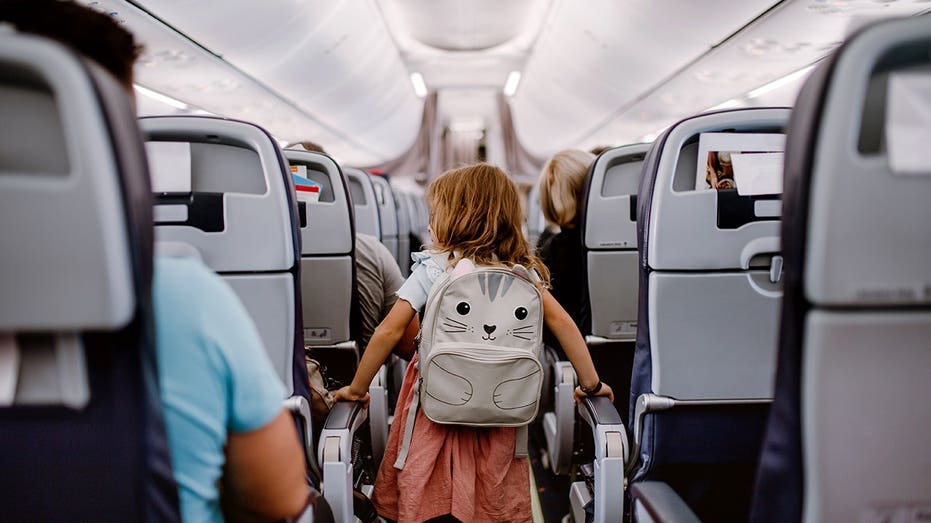
A recent flight delay in Sweden has ignited a broader conversation about how airlines and passengers should handle disruptive behavior involving young children on board.
The incident began when a three-year-old passenger refused to remain seated during pre-takeoff preparations, prompting prolonged screaming.
Cabin crew ultimately asked the parents and child to leave the aircraft. The flight was held for roughly an hour while the family’s luggage was removed and the plane was reset for departure.
A passenger who shared the experience online criticized the delay, citing missed connections and broader schedule disruptions, and called for adult-only flights as a solution.
Etiquette and aviation experts note that crew members are bound first by safety obligations. When a child cannot be secured in a seat, delaying takeoff is often the only compliant option.
Travel specialists advise parents flying with toddlers to prepare thoroughly: pack extra snacks, activities, and toys, consider purchasing additional space, and relax normal screen-time limits during the trip.
Experts also recommend that frustrated passengers address concerns with flight attendants rather than confronting parents directly, as additional confrontation can escalate tension.
Online reactions remained divided. Some travelers expressed sympathy, noting that brief outbursts are a normal part of early childhood and that outsiders lack full context.
Others placed responsibility squarely on guardians, arguing that caregivers should not fly with toddlers unless confident they can manage behavior in a confined cabin.
The episode underscores a persistent tension in air travel: balancing individual family needs against collective punctuality and passenger comfort at 30,000 feet.