Travelers are being urged to exercise caution when packing for international trips, as certain items could lead to severe legal consequences abroad. U.S. authorities have issued warnings about the risks of carrying cannabis products overseas, following Thailand’s recent crackdown on drug-related offenses.
Thailand introduced stricter penalties in June 2026 for bringing cannabis into the country without authorization. Violators may face up to 10 years in prison, a fine of 500,000 Thai baht (approximately $15,000), or both, according to official guidelines. The move reflects a broader effort to curb cross-border drug trafficking.
While Thailand decriminalized personal cannabis possession in 2022, exporting or importing the substance remains illegal. U.S. Embassy officials in Thailand emphasized that even small quantities can trigger severe repercussions for travelers.
Legal experts stress that domestic cannabis laws do not apply internationally. Jeffrey Hoffman, a New York attorney specializing in cannabis regulations, warned that travelers often mistakenly assume legality at home translates abroad. “When you cross borders, you’re subject to the host country’s laws,” he said.
Hoffman referenced the case of WNBA player Brittney Griner, who was detained in Russia in 2022 after cannabis oil was found in her luggage. Such incidents highlight how some nations enforce drug laws rigorously, regardless of global trends toward legalization.
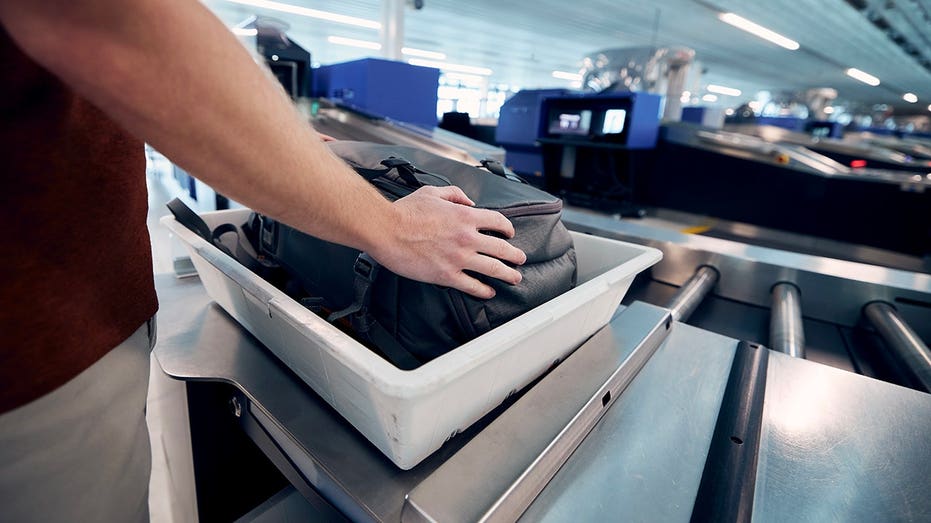
Travel advisor Bobby Laurie, a former flight attendant, noted that many travelers overlook hidden items in bags that could violate foreign regulations. He recommended thoroughly checking luggage and researching destination-specific rules before departure.
Laurie pointed to Singapore’s ban on chewing gum as an example of unexpected restrictions. “You wouldn’t know unless you research it,” he said. “How many people carry prohibited items without realizing?”
The U.S. Transportation Security Administration (TSA) recently updated its policies for medical marijuana on domestic flights, allowing limited exceptions. However, international travel remains governed by the laws of the destination country, regardless of a traveler’s home jurisdiction.
TSA officials clarified that while their primary focus is security screening, they may forward suspected legal violations to local authorities. This underscores the importance of understanding international drug regulations before traveling.