A chill settled over Britain’s high streets this Black Friday, a silence louder than any bargain shout. The usual frenzy, the jostling crowds, the overflowing shopping bags – they were noticeably absent. It wasn’t a lack of deals, but a deeper unease gripping the nation’s shoppers.
This wasn’t simply a slow start to the sales; it was a stark signal. A growing apprehension about the future of the UK economy is keeping wallets firmly closed. People are holding back, carefully considering each purchase, and the impact is already being felt.
Experts are now suggesting this cautious behavior isn’t a temporary blip, but a trend poised to linger. The shadow of economic uncertainty stretches far beyond the holiday season, potentially dampening growth well into 2026. This isn’t just about missed sales targets; it’s about a shift in consumer mindset.
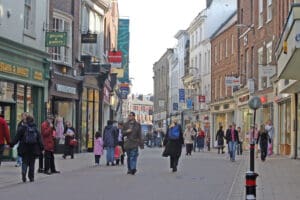
The reluctance to spend speaks volumes about anxieties surrounding job security, rising living costs, and the overall economic outlook. Black Friday, traditionally a barometer of consumer confidence, has delivered a sobering diagnosis: a nation bracing for a prolonged period of financial constraint.
This hesitancy isn’t confined to big-ticket items either. Even everyday purchases are being scrutinized, reflecting a widespread desire to conserve resources and prepare for potential hardship. The festive spirit, it seems, is tempered by a very real economic worry.


