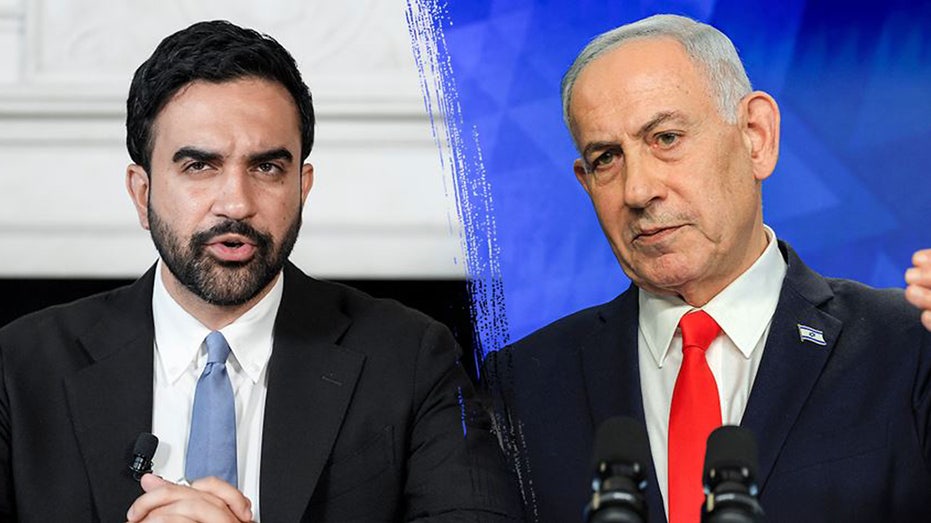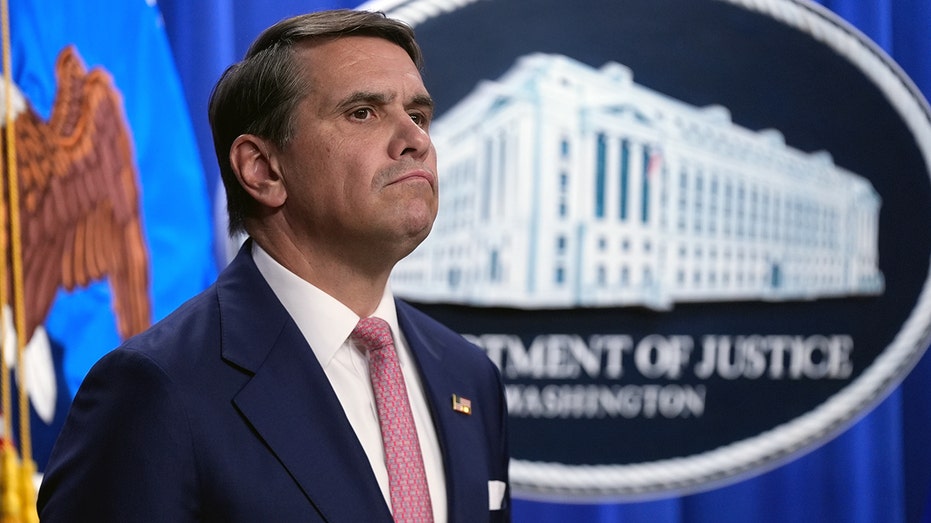
A federal judge in Florida referred a former White House attorney to the state bar and forwarded her opinion to disciplinary authorities reviewing complaints against senior Justice Department officials.
The referral stemmed from the judge’s determination that the attorney advanced a lawsuit concerning a settlement that shielded the former president and his businesses from certain tax audits, and that the case was pursued in bad faith.
The disciplinary complaints target the Acting Attorney General, accused of mishandling evidence and using the department to pursue political opponents, and the Associate Attorney General, alleged to have a conflict of interest in connection with a now‑defunct $1.8 billion compensation fund.
Legal scholars warned that sanctioning lawyers for losing high‑stakes arguments could erode the adversarial system. One constitutional law professor, who teaches at a Florida Catholic university, said he will not endorse or teach such sanctions.
Critics argue that allowing bar associations to discipline attorneys based on political considerations could deter lawyers from serving in the Justice Department. A former Justice Department official, now a litigation executive at a watchdog group, said the trend could concentrate legal power in a narrow elite.
The former official, who has faced his own disciplinary proceedings, suggested that the Justice Department could issue regulations to prevent state and local bars from being used as political weapons.
Another former federal prosecutor described the judge’s actions as an attack on Justice Department lawyers motivated by political views.
The judge, appointed in 2011, previously issued a ruling against a state detention facility that was later reversed by an appellate court.
Several attorneys have asked the Eleventh Circuit Court of Appeals to overturn the referral, alleging that its timing was intended to influence a confirmation hearing.
The dispute underscores ongoing debates over the scope of judicial authority, professional ethics, and the balance between legal oversight and political influence.