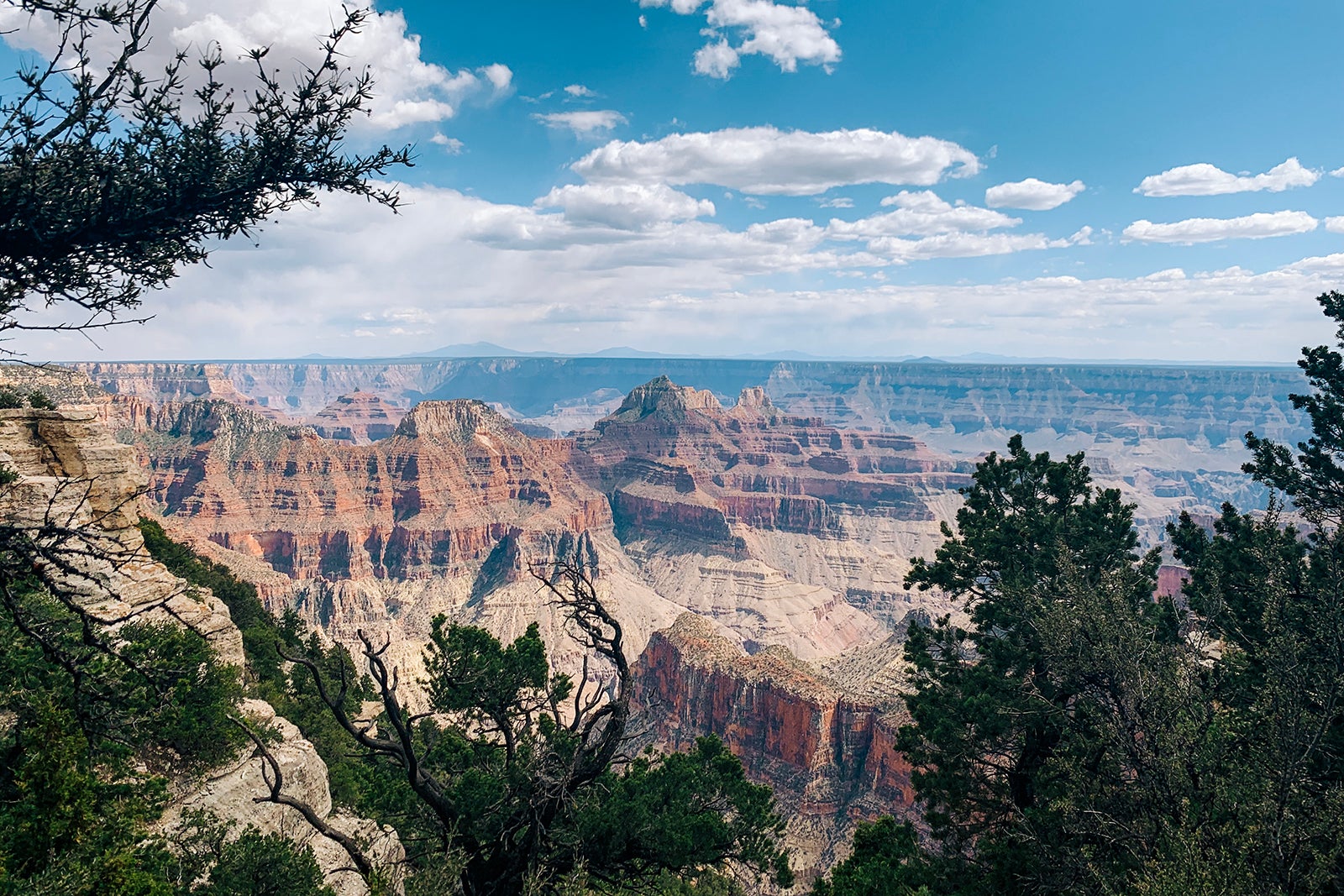
A sudden and critical order has descended upon the Grand Canyon National Park’s South Rim: all hotels within the park boundaries are now closed, effective immediately. The dramatic decision stems from “significant breaks” detected in the Transcanyon Waterline, the vital artery supplying water to this iconic landscape and its visitors.
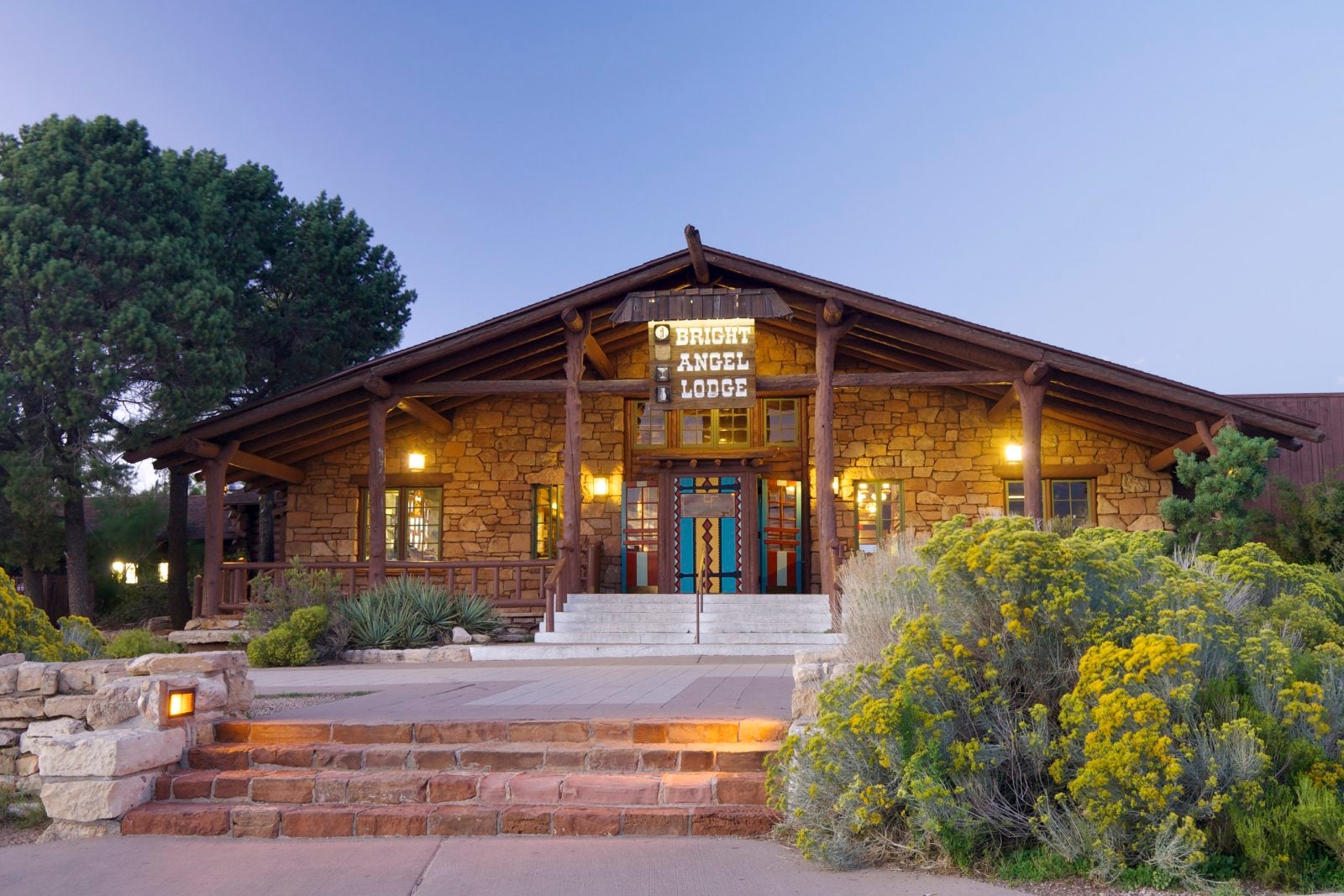
The closure impacts lodging operated by both Xanterra and Delaware North, including historic landmarks like the El Tovar Hotel and Bright Angel Lodge. These aren’t just places to sleep; they are woven into the very fabric of the Grand Canyon experience, having welcomed guests for generations. However, hotels located *outside* the park remain open, offering a limited alternative for those determined to witness the canyon’s majesty.
Currently, no water is being pumped to the South Rim, the most heavily visited section of the park. This isn’t a temporary inconvenience; the National Park Service has indicated the closures will remain in effect for the “foreseeable future,” leaving both visitors and park officials in a state of uncertainty.
The Transcanyon Waterline, stretching over twelve miles, is a decades-old system that has been struggling for years. Despite a massive $208 million rehabilitation project underway, frequent failures continue to disrupt service and threaten the park’s ability to support its five million annual visitors and resident population.
Beyond the hotel closures, the restrictions extend to camping. Only dry camping is permitted, and spigot access at the Mather Campground has been shut off. A complete ban on fires has also been implemented across the South Rim and inner canyon areas, adding to the growing list of limitations.
Despite these significant changes, the park itself remains open to day visitors. Food and beverage services, the Grand Canyon Clinic, and the post office will continue to operate, ensuring essential services aren’t entirely disrupted. The North Rim, however, remains closed for its seasonal winter break, with a tentative reopening date not until 2026.
The ongoing rehabilitation project aims to address the waterline’s fundamental issues, including the construction of a new one-million-gallon-per-day water treatment plant and the replacement of miles of aging infrastructure. Officials acknowledge the current system has long exceeded its lifespan, requiring constant and costly repairs.
This crisis underscores the immense challenge of maintaining infrastructure in one of America’s most treasured national parks. The future of the Grand Canyon experience hinges on the successful completion of these vital repairs, ensuring a sustainable water supply for generations to come.