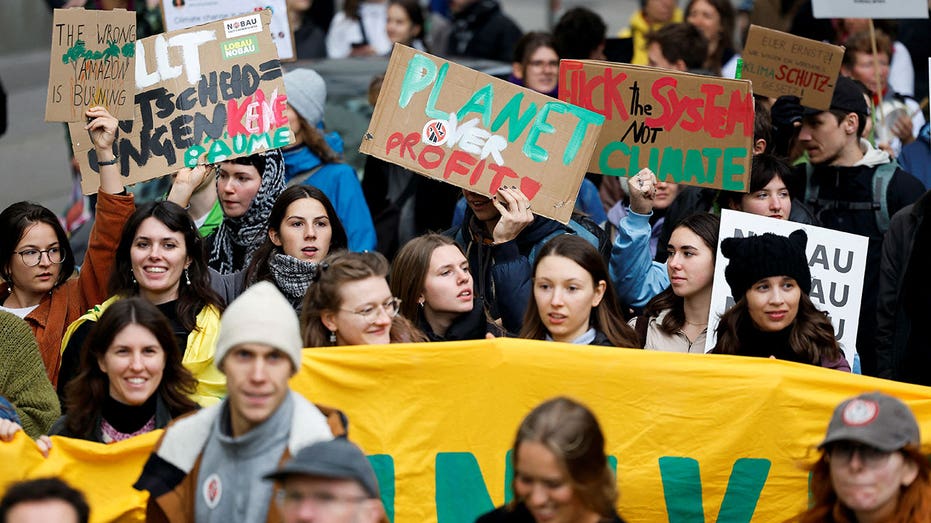
The European Union is at a crossroads, with its industrial base at risk of being destroyed unless its leaders reconsider aggressive climate policies and respond to voters demanding economic results, a top official warned.
Czech Environment Minister Igor Červený made the statement during his first visit to the United Nations, where he addressed the U.N. High-Level Political Forum on Sustainable Development. Červený pointed to the pressure facing European manufacturers, particularly the automotive sector, and warned that companies were increasingly moving production abroad due to the pressure from climate policies.
The debate comes as Europe faces mounting pressure to revive its economy while maintaining ambitious climate targets. This challenge is not unique to Europe and is increasingly relevant for its largest trading partner, the United States, as Washington and Brussels navigate disagreements over energy policy, industrial competitiveness, and the pace of the global transition away from fossil fuels.
Červený argued that European governments must find a balance between protecting the environment and supporting industry and employment. He said, "We have to be very careful about this and be very reasonable and try to find some solution for both sides." He emphasized the need for a "win-win" approach that addresses the concerns of both environmentalists and industry leaders.
The Czech Republic has been among several European governments pressing Brussels to ease parts of the Green Deal, including by delaying the bloc's new carbon market for buildings and road transport and seeking changes to emissions-trading rules. Červený's warning stands in contrast to the position presented by European Commissioner for Environment Jessika Roswall, who reiterated the bloc's commitment to the 2030 Agenda and called for accelerated climate action.
Červený also praised President Donald Trump for strengthening European politicians who favor a less regulatory approach. He said, "I'm glad that Mr. Donald Trump is president again, because this changed many things also in European countries." He emphasized the need for a gradual and cooperative approach to sustainability, saying, "We have to change the course, because we don't want to lose our industry, our economy, our benefits for society and the environment as well."