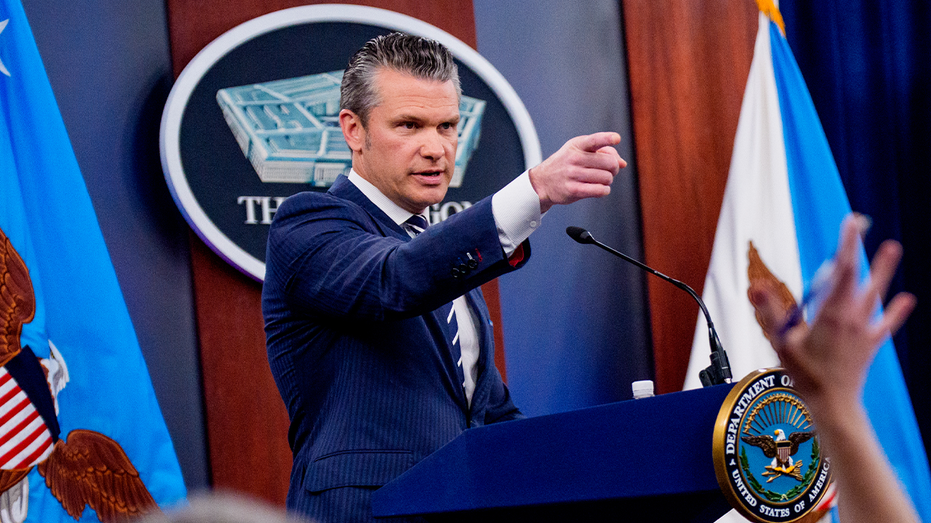
A confidential investigation revealed a significant breach of protocol by a high-ranking defense official. The Secretary of War allegedly transmitted sensitive military strike information through an encrypted messaging app on his personal phone, directly contravening established department policies.
The report details how the Secretary shared details with a Signal chat group, including a journalist who hadn’t been cleared for such information. These messages mirrored a classified operational email from Central Command, raising serious concerns about potential compromise.
While the Secretary possesses the authority to declassify information, the investigation emphasized that using unsecure, personal channels for transmission remains strictly prohibited. The risk wasn’t about authorization, but about the method of communication itself.
The timing of these transmissions is particularly alarming. The Secretary sent operational details – including the number and timing of aircraft – just hours before U.S. forces launched strikes in Yemen. This created a window of vulnerability that could have been exploited.
Investigators concluded that if this information had fallen into enemy hands, Houthi forces could have potentially evaded the strikes or even directly targeted U.S. personnel. The report starkly outlines the potential for mission failure and harm to pilots.
The Secretary maintained he was sharing an unclassified “summary” of events, communicating from a secure facility while simultaneously using his personal phone. However, the investigation found this setup – involving a tethering system allowing phone access from within a secure space – raised further security questions.
The initial discovery of this breach stemmed from an accidental inclusion of a journalist in a high-level Signal chat. This unintended access underscored the inherent risks of using such platforms for sensitive discussions.
Adding to the concerns, many of the messages exchanged within the chat were set to auto-delete, leading to a violation of federal record-keeping laws. The Secretary failed to preserve these records within the required timeframe, hindering a complete assessment of the situation.
The investigation highlighted a pattern of behavior, with the Secretary utilizing Signal groups for task assignments, internal discussions, and the sharing of operational information. This suggests a broader reliance on unapproved communication channels.
The report paints a picture of a serious lapse in judgment, even if no immediate harm resulted. It serves as a stark reminder of the critical importance of adhering to security protocols, especially when dealing with sensitive military operations.