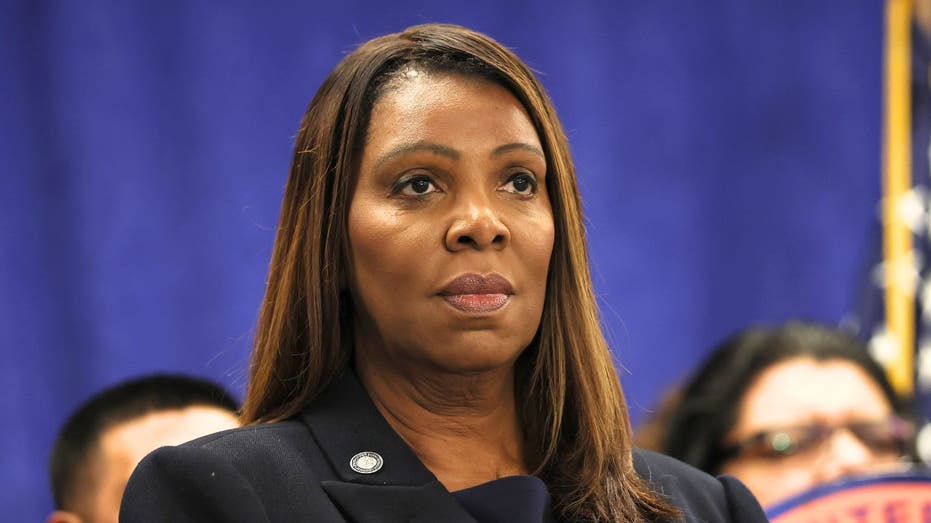
The legal saga surrounding New York Attorney General Letitia James took a dramatic turn in Norfolk, Virginia, as a federal grand jury declined to indict her on charges of mortgage fraud. This decision marks a significant setback for prosecutors who had twice attempted to bring criminal charges against the Attorney General.
The initial indictment, handed down in September, accused James of two federal crimes: bank fraud and making false statements to a financial institution. These charges stemmed from a mortgage loan obtained for a property in Norfolk, known as the “Perrone Property,” and centered on questions about its intended use.
Prosecutors alleged James misrepresented the property’s purpose, claiming it would serve as a secondary residence. This designation was crucial, as it prohibited any arrangement involving rental income or shared occupancy. The government contended she knowingly violated these terms.

However, financial records painted a conflicting picture. James reported rental income from the Perrone Property on her tax filings, specifically on Schedule E, effectively treating it as an investment property. This directly contradicted her assertions regarding its use as a personal, secondary home.
The first case abruptly ended when Judge Cameron McGowan Currie, appointed by President Clinton, dismissed the charges. The judge’s ruling hinged on a technicality: the US Attorney assigned to the case, Lindsey Halligan, was deemed to have been improperly appointed.
The Justice Department swiftly attempted to rectify the situation, seeking to refile the indictment after the dismissal. They argued the appointment issue could be resolved, and a new grand jury should consider the evidence against James.
Despite the Justice Department’s efforts, the second attempt to secure an indictment failed. The federal grand jury in Norfolk, after reviewing the evidence, refused to return an indictment against Attorney General James, effectively closing the criminal case.
The outcome leaves many questions unanswered and raises scrutiny over the initial investigation and subsequent prosecution. The Attorney General now faces no criminal charges related to the mortgage on the Perrone Property, bringing an end to this chapter of the legal battle.