A chasm has opened in the American psyche, a widening emotional gulf separating citizens in their feelings toward the federal government. Recent data reveals a nation on edge, simmering with frustration and, for many, outright anger – a sentiment that reached a fever pitch just days before a prolonged government shutdown gripped the country.
The numbers paint a stark picture: nearly half of all Americans report feeling frustrated, with a quarter consumed by anger, and a mere 23% expressing contentment. This isn’t simply disagreement over policy; it’s a fundamental shift in how people *feel* about the very institution of government.
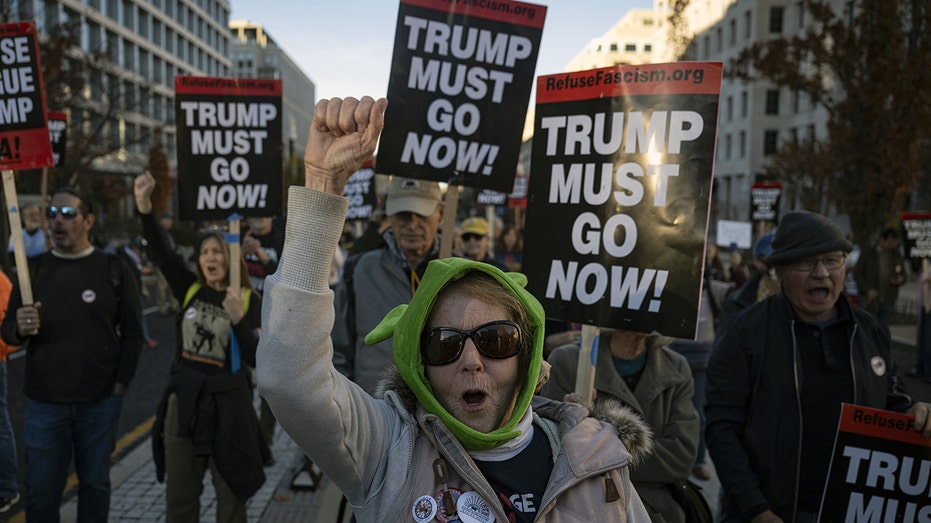
The Democratic side of the divide is particularly volatile. A staggering 44% of Democrats and those leaning Democratic now admit to feeling angry towards Washington, a record high since polling began in 1997. This represents a dramatic ten-point surge since the previous presidential term.
Contrast that with Republicans, where contentment reigns. Forty percent report feeling satisfied, with significantly fewer experiencing frustration or anger. Their anger, historically, peaked during different administrations, suggesting a cyclical nature to their discontent.
This disparity isn’t just a difference in opinion; it’s an emotional earthquake. The gap between the parties is the largest ever measured, a testament to the deepening polarization that’s reshaping the American landscape.
Trust in the federal government is, unsurprisingly, at a historic low. Only one in five Americans believe the government can consistently do what’s right, a level of skepticism rarely seen in decades of polling. Democratic trust has plummeted to single digits.
While Republican trust remains limited, it has seen a slight uptick, a subtle shift potentially linked to recent political developments. This isn’t about a sudden embrace of government, but a nuanced reaction to the current political climate.
For decades, frustration has been the dominant national mood. But this new data reveals a structural change: frustration is dipping slightly, while anger and contentment rise – and they’re rising along strictly partisan lines.
This suggests Americans aren’t simply disagreeing on issues; they’re experiencing the same political reality through entirely different emotional lenses. The same events are sparking vastly different reactions, deepening the divide and fueling a sense of alienation.
Researchers are closely monitoring these trends, recognizing that significant swings in public anger and trust often foreshadow shifts in political engagement and voting patterns. The current climate suggests a period of intense political realignment may be on the horizon.
Ultimately, the data reveals a nation not just divided by politics, but by how those politics are *felt*. The emotional experience of the current administration is profoundly different depending on which side of the aisle you stand on, and that difference is reshaping the American political landscape.


