Europe stands at a precipice. A silent crisis is escalating, threatening the wellbeing of its citizens and the stability of its communities. The issue? A surge in illicit drugs, reaching a point described as a “crisis” by European officials.
The threat isn’t simply about availability; it’s about a rapidly evolving landscape. Criminal organizations are exploiting new technologies, forging stronger international ties, and adapting to geopolitical shifts with alarming speed. This isn’t the drug trade of the past – it’s a sophisticated, dynamic network fueled by innovation and ruthlessness.
Young people are particularly vulnerable, becoming both targets for recruitment into criminal networks and victims of drug use. The European Commission is responding with a comprehensive new strategy, a clear message to those profiting from misery: Europe is preparing to fight back.
This isn’t just a law enforcement issue; it’s a public health emergency. Prevention initiatives and reintegration programs are crucial, aiming to raise awareness and offer pathways out of addiction. A new EU toolbox is being developed specifically for minors, alongside a handbook to dismantle the clandestine labs producing synthetic drugs.
The scale of the problem is staggering. Cocaine seizures have increased sixfold in a decade, reaching 419 tonnes in 2019 alone. Drug-induced deaths and mental health problems are on the rise, painting a grim picture of the human cost. Criminals are even leveraging Artificial Intelligence to optimize their trafficking operations.
Across Europe, alarm bells are ringing. Bulgaria reported a record surge in drug seizures, with quantities already tripling those seized in all of 2024. Romania has declared drug trafficking a national security concern. Slovenia is grappling with increasing accessibility and changing patterns of substance use among its youth.
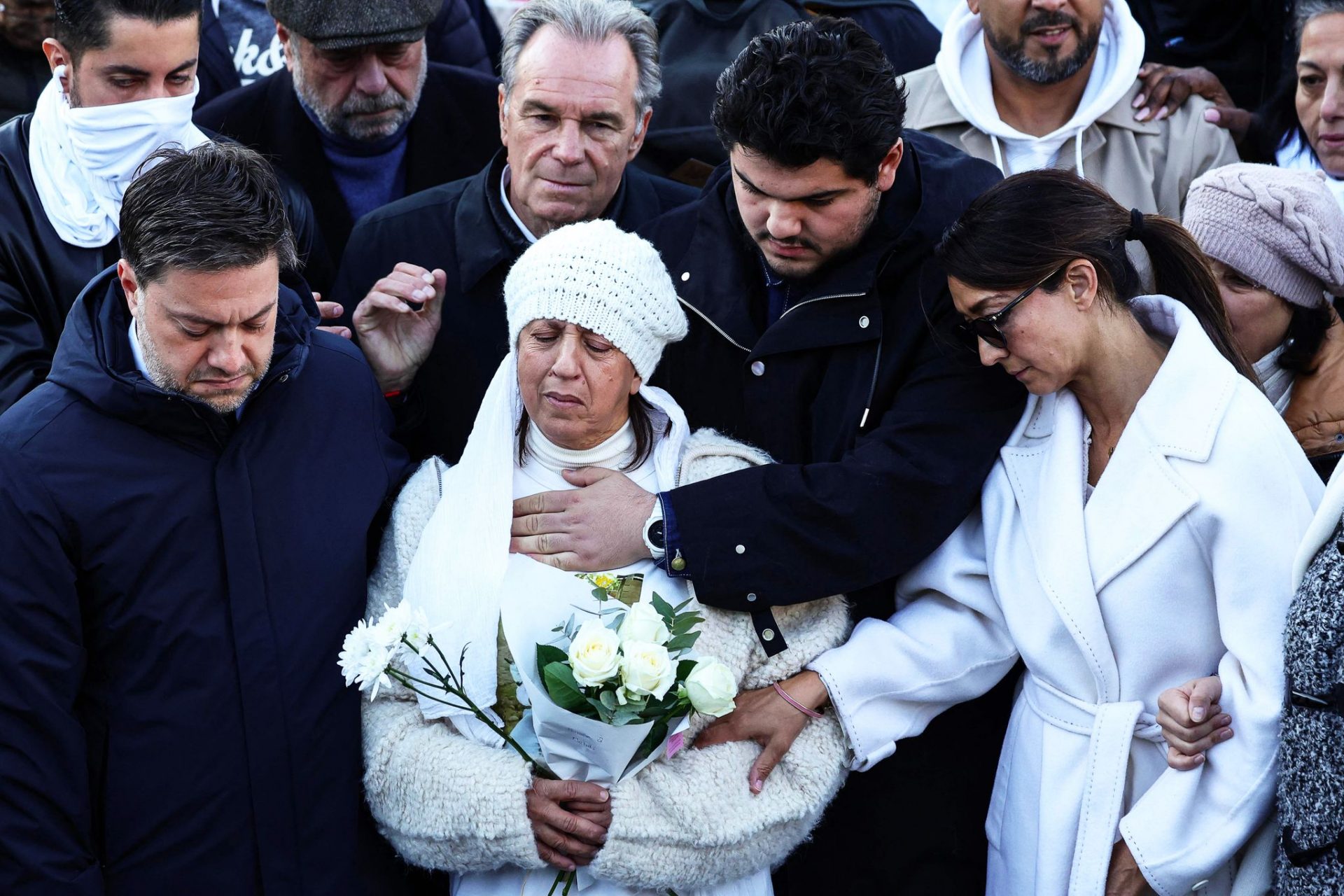
In France, the murder of a young man, the brother of an anti-drug activist, served as a brutal wake-up call. President Macron has vowed to confront the issue with the same intensity reserved for terrorism, acknowledging the devastating impact on communities.
The Netherlands, a key entry point for cocaine and a major producer of synthetic drugs, has seen a surprising decrease in interceptions. However, officials warn this isn’t a sign of success, but rather a strategic shift by criminals – spreading their risks and seeking new routes.
Spain, a logistical hub due to its geographic location, is witnessing unprecedented levels of drug seizures. Authorities are actively working to disrupt organized crime, recognizing the need for a multi-faceted approach to prevention, detection, and prosecution.
Beyond established EU members, countries like Albania and Croatia are strengthening border controls, destroying illegal plantations, and investing in prevention programs. Romania is focusing on controlling chemical precursors and improving access to treatment. Bulgaria launched a large-scale international operation targeting trafficking routes.
France is expanding its digital defenses, utilizing platforms like Pharos to identify and shut down websites selling synthetic drugs. A national debate on drug trafficking is planned, signaling a commitment to finding comprehensive solutions.
The fight isn’t confined to European borders. Stronger partnerships with third countries, particularly in Latin America, are seen as essential. Joint efforts with Colombia are underway, sharing European expertise in port security and detection strategies. The belief is clear: the battle must begin before drugs reach European shores.
This is a challenge that demands a unified, resolute response. It requires collaboration, innovation, and a unwavering commitment to protecting the health and security of European citizens. The stakes are simply too high to ignore.


