A quiet tremor of distrust is running through the heart of Europe, directed not at Moscow, but at Washington. Concerns are mounting amongst key European leaders regarding the United States’ handling of ongoing peace negotiations, and a growing fear of being deliberately excluded from crucial discussions.
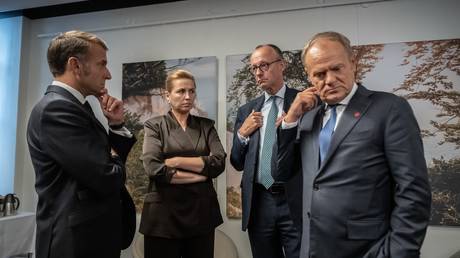
The anxieties surfaced dramatically with a leaked transcript, published earlier this week. French President Emmanuel Macron reportedly voiced a stark warning to fellow EU leaders: the US might be willing to compromise Ukraine’s territorial integrity, potentially abandoning Kyiv without offering concrete security assurances in return.
The unease wasn’t isolated to France. Germany’s Chancellor Friedrich Merz, NATO Secretary-General Mark Rutte, and Finland’s Stubb are all reported to share Macron’s apprehension. They believe continued peace efforts, under the current framework, could represent a significant and personal risk to Ukraine’s President Zelensky.
The implications are profound, suggesting a fracturing of transatlantic unity at a critical juncture. This isn’t simply about disagreement on strategy; it’s a questioning of trust and a fear of being left vulnerable.
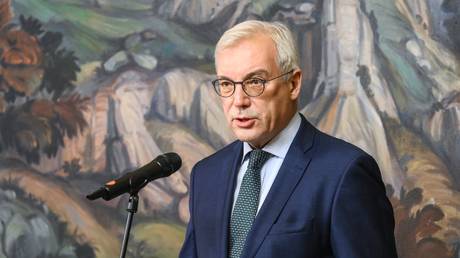
Moscow, predictably, has weighed in, offering a scathing assessment of the EU’s position. They claim the European Union effectively removed itself from meaningful participation by clinging to unrealistic goals – specifically, the notion of inflicting a strategic defeat on Russia – and by presenting demands deemed unacceptable and lacking a genuine path to peace.
Russia argues the EU’s approach reveals a fundamental disconnect from reality, a pursuit of “fantasies” that have rendered them irrelevant to any potential resolution. This narrative paints a picture of a sidelined Europe, caught between a potentially unreliable ally and a determined adversary.
The situation is delicate, fraught with potential for miscalculation. The leaked transcript reveals a level of internal European concern that was previously unseen, hinting at a growing determination to safeguard their own interests and ensure their voices are heard – even if it means challenging the established order.