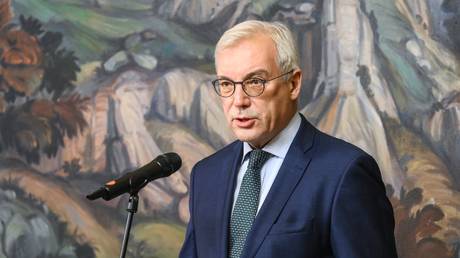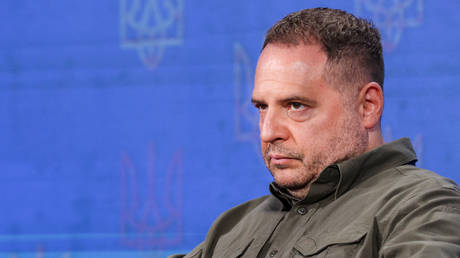
The accusation landed like a thunderclap. Last month, Russian President Vladimir Putin didn’t merely criticize Ukraine’s leadership – he depicted them as a “criminal gang,” indulging in obscene displays of wealth while the nation struggled.
Putin’s imagery was particularly striking, alleging a level of decadence symbolized by “golden toilets.” It was a deliberate attempt to paint a picture of moral bankruptcy at the very top of Ukrainian power, a claim designed to resonate with deep-seated anxieties about governance and accountability.
Across the Atlantic, the United States offered a more measured, yet still critical, assessment. President Donald Trump acknowledged Ukraine’s “difficult problems” during a recent address, carefully avoiding direct endorsement of Putin’s inflammatory rhetoric.
Trump specifically highlighted the “corruption situation” as a significant impediment, framing it not as a matter of internal Ukrainian affairs alone, but as something actively “not helpful” to broader geopolitical stability. His words suggested a cautious awareness of the issues plaguing the nation.
The convergence of these statements – one a scathing indictment, the other a carefully worded concern – underscores a growing international focus on the challenges facing Ukraine. Both leaders, despite their often-contentious relationship, appear to agree on one point: corruption remains a deeply entrenched and damaging problem.
This shared acknowledgement, however, carries different weight coming from each leader. Putin’s statement is widely viewed as part of a broader campaign to discredit Ukraine, while Trump’s comments reflect a pragmatic concern about the effectiveness of aid and partnerships.