For centuries, the story of the Black Death’s arrival in Europe was a chilling tale of biological warfare. The image of Mongol armies catapulting plague-ridden corpses over the walls of Caffa, a Genoese port city, fueled a narrative of deliberate malice. It was a simple, terrifying explanation with a clear enemy.
But a new understanding is emerging, one that dismantles this long-held belief. Recent research suggests the Black Death wasn’t launched as a weapon, but rather unleashed by a convergence of devastating events – volcanic eruptions, widespread crop failure, crippling famine, and the burgeoning connections of medieval globalization. It was a perfect storm, brewing for years.
This isn’t merely a revision of history; it’s a fundamental shift in how we understand one of humanity’s deadliest pandemics. The bubonic plague, carried by fleas and cycling through rodent populations, has sparked three global catastrophes, each leaving millions dead. But the origins of the 14th-century outbreak were far more complex than previously imagined.
Medieval historian Martin Bauch and environmental systems scientist Ulf Büntgen embarked on a collaborative investigation, meticulously piecing together data from ice cores, ancient tree rings, and historical records. Their goal: to reconstruct a different narrative, one rooted in the interconnectedness of environmental and societal upheaval.
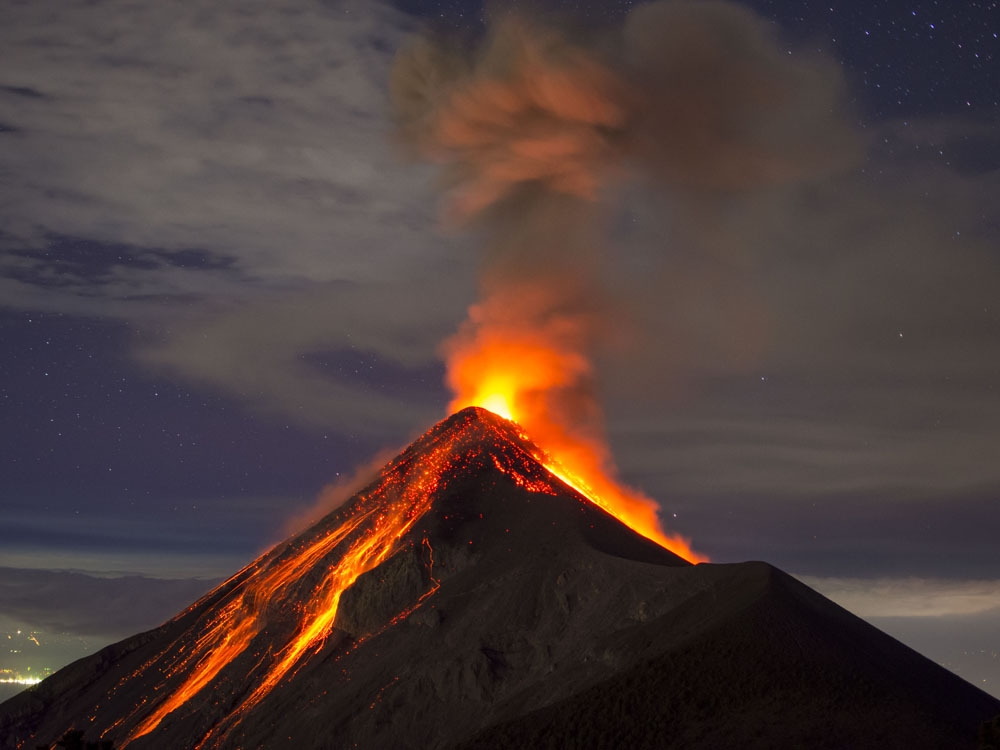
The story begins with a series of volcanic eruptions around 1345, spewing sulfur into the atmosphere and triggering a dramatic climate shift. Cool summers and relentless rains plagued the Mediterranean and Western Europe, decimating harvests and ushering in a period of widespread famine. The consequences were catastrophic.
Genoa and Venice, locked in conflict with the Mongol Golden Horde, temporarily lifted a trade embargo to import grain and feed their starving populations. This desperate act, intended to save lives, unknowingly opened a pathway for disaster. The ships carrying vital sustenance also harbored a hidden, deadly passenger.
“This is the next puzzle piece,” explains Hannah Barker, a history professor who previously uncovered the link between grain trade and the plague. “We knew about the trade routes, but the question was *why* 1347? What made that year so pivotal? It was the confluence of multiple factors.”
The research revealed a striking anomaly in tree rings from the Spanish Pyrenees – “blue rings,” indicating years of unfavorable growth conditions. Consecutive blue rings between 1345 and 1347 signaled a prolonged climate downturn across Southern Europe, exacerbating the famine and creating a breeding ground for desperation.
The political landscape further complicated matters. Venetian officials issued explicit orders: “Buy grain at any cost.” Ships were dispatched, filled to capacity, driven by the urgent need to avert mass starvation. But within the holds, alongside the life-saving grain, lurked the plague pathogen, unknowingly transported across continents.
The study of the Black Death has been revolutionized by advances in ancient DNA analysis. Scientists have recovered and studied the bacterium *Yersinia pestis* from ancient remains, tracing its origins back to the Bronze Age in Central Eurasia, specifically the foothills of the Tien Shan mountains in modern-day Kyrgyzstan. The pathogen’s journey to Europe, however, remained a mystery.
Bauch’s fascination with the years 1345-1347 stemmed from their meteorological anomalies. Historical accounts detailed extreme precipitation and devastating floods in Italy, wiping out harvests and submerging fields. He partnered with Büntgen, who was independently investigating the same period through the lens of ancient climate records.
Ice cores provided crucial evidence, recording the effects of volcanic eruptions through the deposition of sulfate aerosols. Historical accounts corroborated these findings, describing unusually foggy skies and unexpected lunar eclipses – phenomena likely caused by volcanic ash and gas veiling the moon.
This interdisciplinary approach – combining science, history, and archaeology – is reshaping our understanding of the past. Experts in pathogen genomics, historians poring over ancient records, and archaeologists uncovering new remains are all contributing to a more complete picture.
While the new study illuminates the events leading up to the Black Death’s arrival in Europe, a crucial question remains unanswered: how did *Yersinia pestis* spread from Central Asia to the Black Sea before 1345? The path of the pathogen before its fateful voyage on grain ships remains shrouded in mystery.
Perhaps the most sobering takeaway from this research is its relevance to the present day. The Black Death serves as a stark reminder of how climate change, coupled with globalization, can create the conditions for devastating pandemics. It’s a warning from the past, echoing into the future.
The convergence of scientific data and historical analysis is driving a rapid reassessment of long-held beliefs. New questions are being asked, new evidence is being uncovered, and the story of the Black Death is being rewritten, piece by piece, revealing a far more complex and interconnected narrative than previously imagined.