The world of political journalism is reeling from a swift and dramatic fallout. Olivia Nuzzi, a once-celebrated reporter, is leaving Vanity Fair at the end of the year, a decision framed as mutually agreed upon but undeniably linked to a burgeoning controversy.
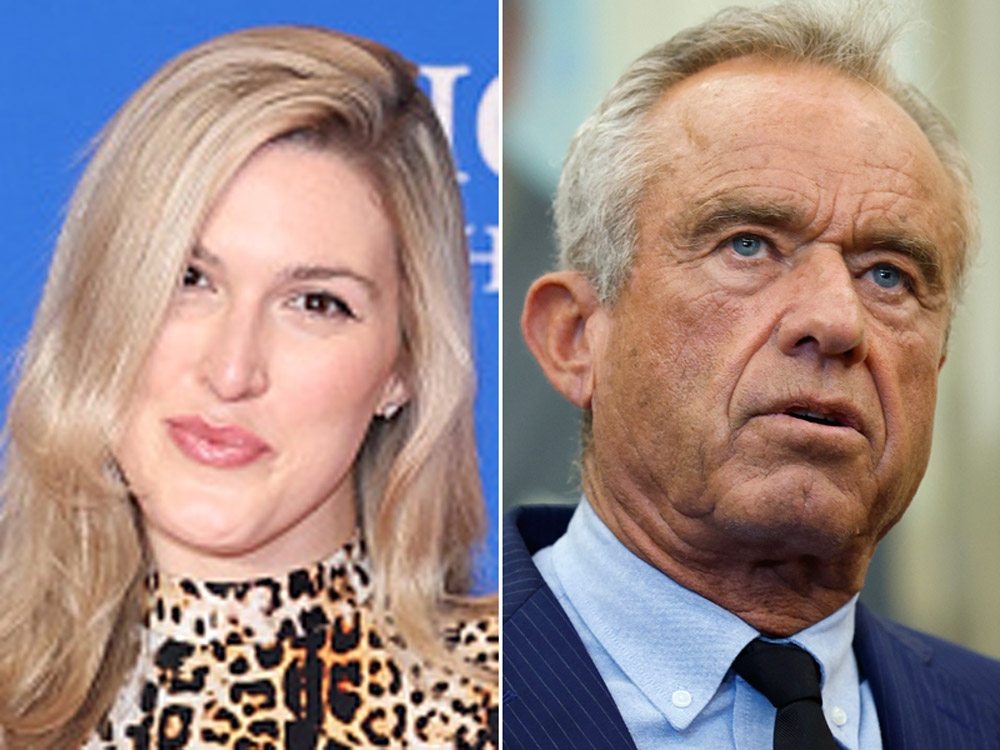
The core of the issue lies in Nuzzi’s past coverage of Robert F. Kennedy Jr. while working for New York magazine. A previously undisclosed, intense personal relationship with Kennedy, now a prominent figure as head of the Department of Health and Human Services, has cast a long shadow over her journalistic integrity.
Nuzzi had penned a profile of Kennedy for New York magazine, a piece now scrutinized for potential bias given the hidden connection. The revelation of the relationship triggered immediate repercussions, leading to her dismissal from New York magazine earlier in the fall.
Vanity Fair swiftly brought her onboard in September, seemingly offering a fresh start. However, the controversy refused to dissipate, ultimately leading to this parting of ways – a calculated move to protect the magazine’s reputation.
The situation underscores the critical importance of transparency in journalism, particularly when navigating personal relationships that intersect with professional assignments. It’s a stark reminder of the ethical tightrope reporters walk and the potential consequences of blurring those lines.
Nuzzi’s departure marks a significant moment, not just for those involved, but for the industry as a whole. It’s a case study in how personal conduct can irrevocably impact a journalist’s career and the public’s trust in the media.