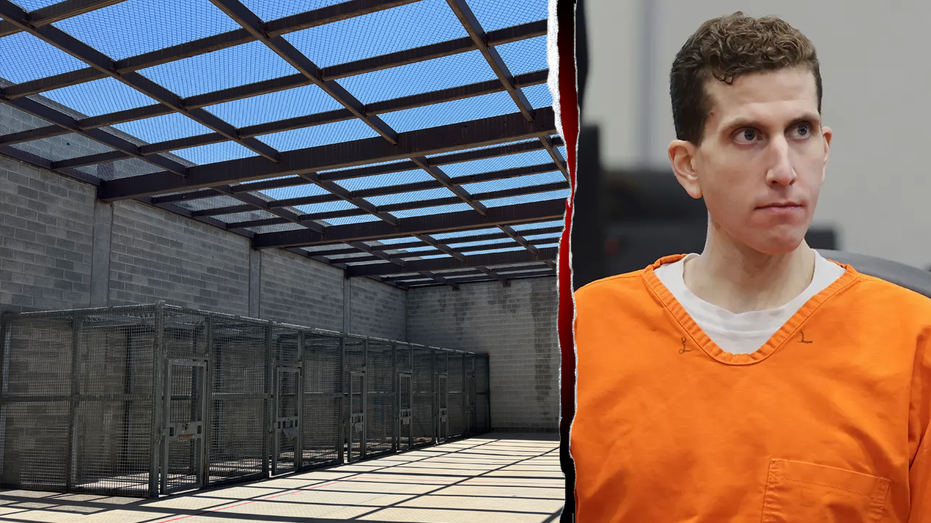
Behind the cold walls of the Idaho Maximum Security Institution, Bryan Kohberger, the convicted killer of four University of Idaho students, is navigating a brutal new reality. His days aren’t simply marked by confinement, but by a desperate attempt to connect with a chilling fraternity: other serial killers.
A former homicide investigator, with direct knowledge of the situation, reveals Kohberger’s unsettling behavior. He’s not seeking companionship, but rather reaching out to notorious figures, seemingly believing he occupies a higher echelon within the prison hierarchy.
Kohberger, once a criminology Ph.D. student, meticulously planned a horrific home invasion, leaving behind a trail of devastation and four young lives extinguished: Madison Mogen, Kaylee Goncalves, Xana Kernodle, and Ethan Chapin. A single Ka-Bar knife sheath, bearing his DNA, ultimately unraveled his carefully constructed facade.
After a protracted legal battle and a failed attempt to avoid the death penalty, Kohberger accepted four life sentences without parole, plus an additional ten years. Entering prison, he immediately became a target, his notoriety preceding him and drawing the ire of fellow inmates.
His prison experience has been marked by a flurry of complaints. Beyond the expected hardships, Kohberger has fixated on perceived mistreatment, filing official grievances about harassment, threats, and even the quality of the food – specifically, the bananas, as he adheres to a vegan diet.
These complaints, however, fall on ears that are unlikely to be sympathetic. Prison food services are managed by inmates themselves, raising the chilling possibility that Kohberger is deliberately receiving the least desirable provisions.
Confined to J-Block for 23 hours a day, Kohberger is physically isolated, a measure designed to protect him from potential violence. Yet, isolation hasn’t deterred his attempts at manipulation. He’s now threatening self-harm, claiming his cell is too small, in a desperate bid for a transfer to a different unit.
Investigators suspect this is a calculated tactic, a manipulative ploy reminiscent of a child’s tantrum, designed to improve his living conditions. The true intent behind his threats remains unknown, adding another layer of complexity to the already disturbing portrait of a convicted killer struggling to adapt to life behind bars.
Kohberger’s attempts to connect with other infamous criminals, coupled with his relentless complaints and manipulative behavior, paint a picture of a man unwilling to accept responsibility or acknowledge the gravity of his crimes. He continues to seek control, even within the confines of his cell.