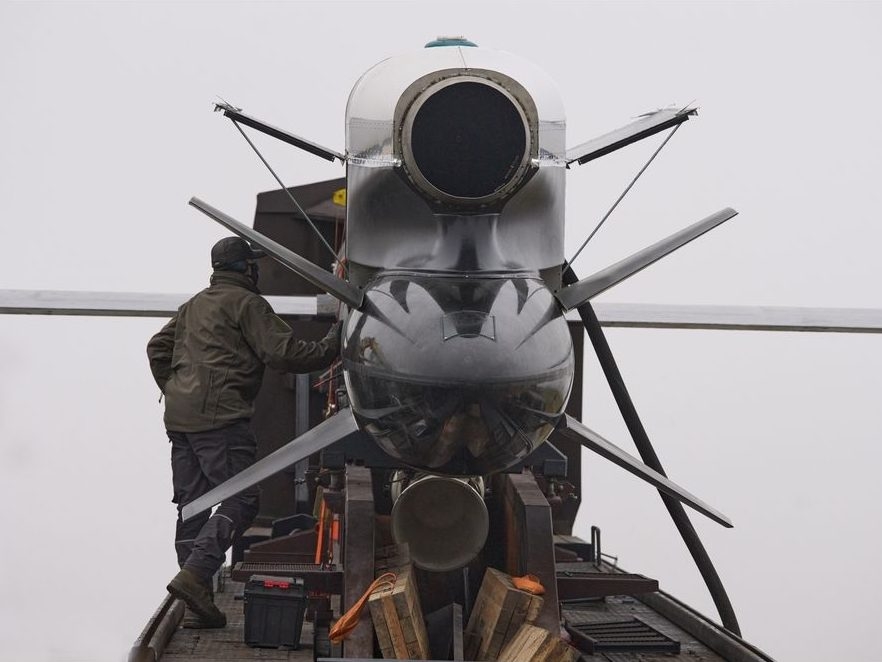
A relentless barrage of missiles and drones rained down on Ukraine overnight, a stark escalation coinciding with ongoing, yet fragile, peace negotiations. The attack, utilizing 653 drones and 51 missiles, triggered nationwide air raid alerts as Ukraine observed Armed Forces Day – a day meant for honoring its defenders, instead marked by the chilling wail of sirens.
Despite valiant efforts by Ukrainian forces who managed to intercept and neutralize 585 drones and 30 missiles, the assault still inflicted damage across 29 locations. The human cost is already evident, with at least eight people reported wounded, including three in the Kyiv region. Reports of drone sightings extended as far west as Lviv, demonstrating the breadth of the offensive.
The attacks weren’t simply indiscriminate; they were strategically aimed at crippling Ukraine’s energy infrastructure. Ukrenergo, the national energy operator, reported “massive” strikes on power stations. Critically, the Zaporizhzhia nuclear power plant, already under Russian control, temporarily lost all external power, raising fears of a potential catastrophe if cooling systems for its reactors fail.
The intensity of Russia’s actions casts a long shadow over the diplomatic efforts underway. Representatives from the U.S. and Ukraine are engaged in a third day of talks, seeking a security framework for a postwar Ukraine. However, a joint statement acknowledged a sobering reality: genuine progress hinges entirely on Russia demonstrating a “serious commitment to long-term peace.”
While details remain scarce, the discussions, led by U.S. special envoy Steve Witkoff and Jared Kushner, alongside Ukrainian negotiators, are reportedly focused on a U.S.-mediated proposal to end the nearly four-year conflict. The path forward, however, appears fraught with obstacles, as Russia has already signaled its unwillingness to concede on key points.
The conflict extends beyond Ukraine’s borders. Russia claims to have downed 116 Ukrainian drones over its own territory, and unverified footage suggests a Ukrainian strike on the Ryazan Oil Refinery, potentially aimed at disrupting Russia’s oil export revenue – a vital source of funding for the war.
Ukraine continues to employ long-range drone strikes against Russian refineries, while Russia is accused of deliberately targeting Ukraine’s power grid, attempting to deny civilians essential services as winter approaches. Ukrainian officials describe this as a calculated “weaponizing” of the cold, a brutal tactic to break the nation’s will.
As the talks continue, Ukrainian President Volodymyr Zelenskyy is scheduled to meet with British Prime Minister Keir Starmer in London, seeking further support and discussing the ongoing negotiations. The world watches, hoping for a breakthrough, but bracing for the possibility that the current escalation signals a deepening, rather than a diminishing, of the conflict.