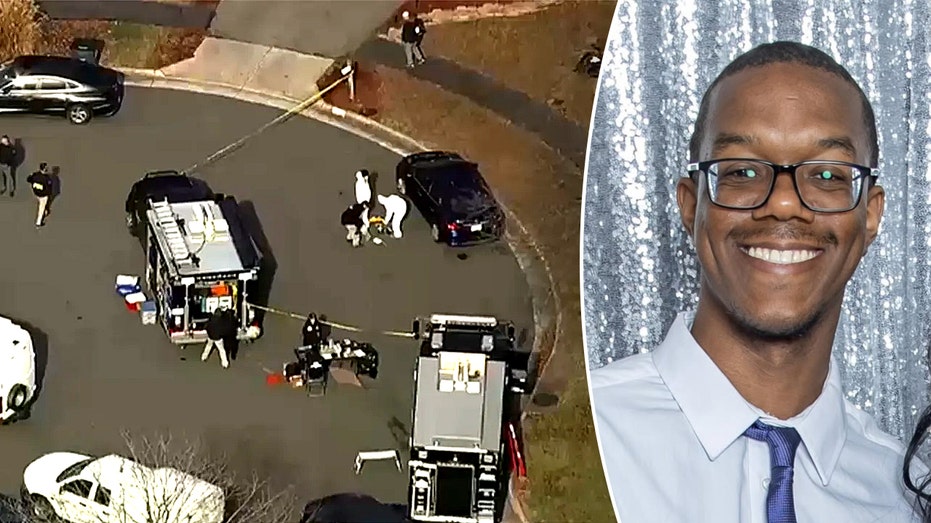
Minnesota is experiencing a profound shift, a moment where the concerns of a diaspora community have spiraled into something deeply troubling. What began as cultural festivals and familiar foods has given way to accusations and a climate where any dissent is swiftly branded with a damaging label.
The focus of intense scrutiny is a staggering $1 billion in alleged welfare fraud, with a significant portion reportedly benefiting individuals within the Somali community. This isn’t simply a matter of misused funds; investigations suggest a complex scheme diverting hundreds of millions of dollars from U.S. government programs.
The allegations don’t stop at financial impropriety. Reports indicate a disturbing possibility: that some of the misappropriated funds were channeled to support Islamic terrorist groups operating in Africa, raising the stakes to a matter of national security.
Former President Trump directly addressed the situation, publicly announcing the termination of Temporary Protected Status for Somalis in Minnesota and calling for their return to their country of origin. His statements ignited a firestorm of controversy, highlighting the intense political pressure surrounding the issue.
Minnesota, known as the “Land of 10,000 Lakes,” is a state with a traditionally Democratic lean and a robust social safety net. Its appeal wasn’t the climate, but rather the accessibility of assistance programs, attracting a growing influx of immigrants.
Beginning in the early 1990s, Somalis began arriving in Minnesota, seeking refuge from the civil war and political instability ravaging their homeland. They quickly became the state’s largest diaspora community, largely concentrated in the Twin Cities area.
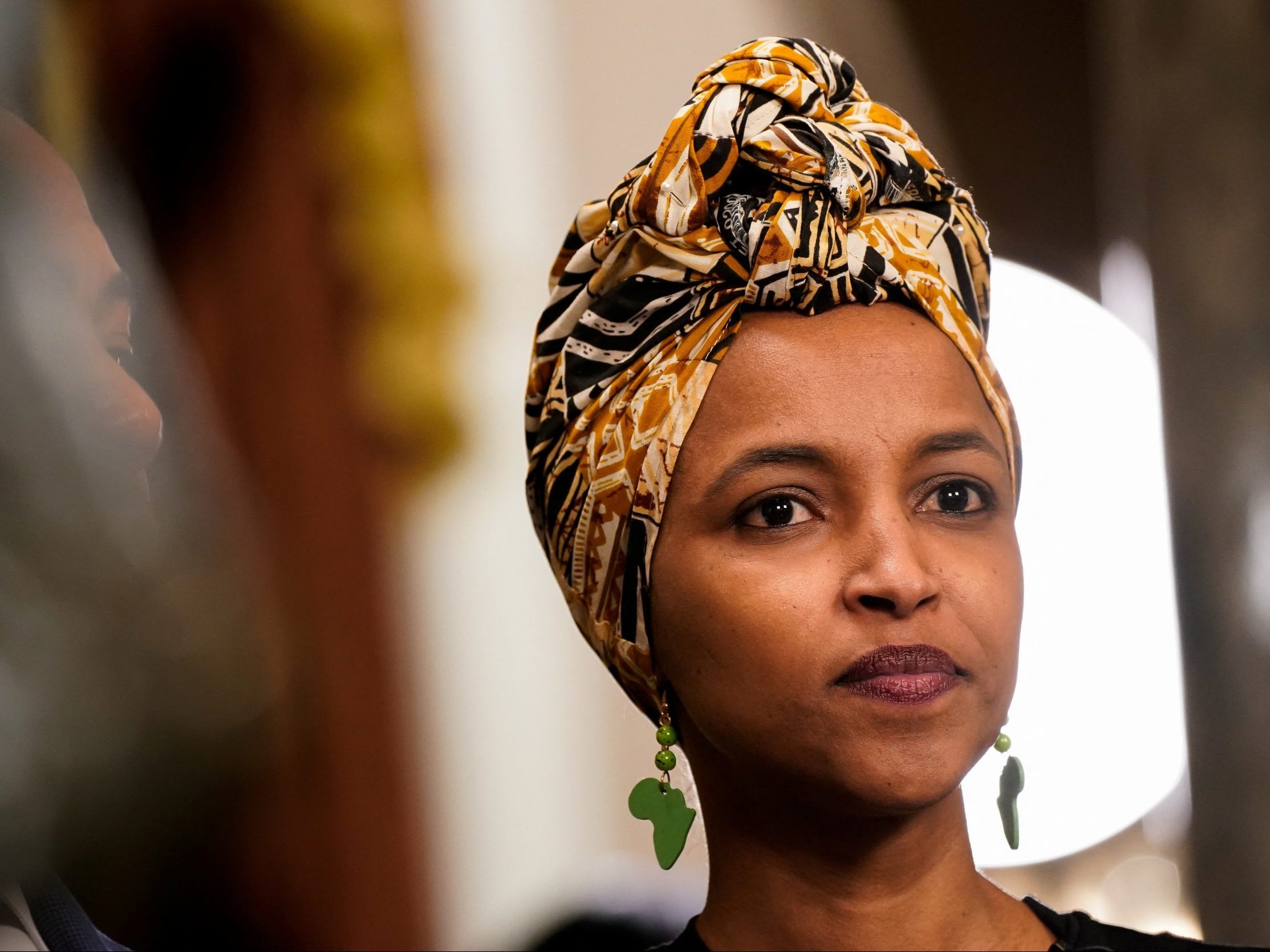
The COVID-19 pandemic provided fertile ground for alleged fraud. A program run by the NGO Feeding Our Future, with strong ties to the Somali community, became the epicenter of a $300-million scheme – the largest of its kind during the pandemic, according to the Justice Department.
The scheme involved creating shell companies that falsely billed the state for meals never delivered. The money vanished into personal accounts, funding lavish lifestyles, luxury vehicles, and extravagant travel. A key figure in the operation recently received a 28-year prison sentence.
The fraud didn’t end there. Subsequent investigations uncovered schemes targeting housing assistance and autism programs. Millions were allegedly stolen through fraudulent billing and false certifications, leaving vulnerable individuals – including drug addicts and children – without the support they desperately needed.
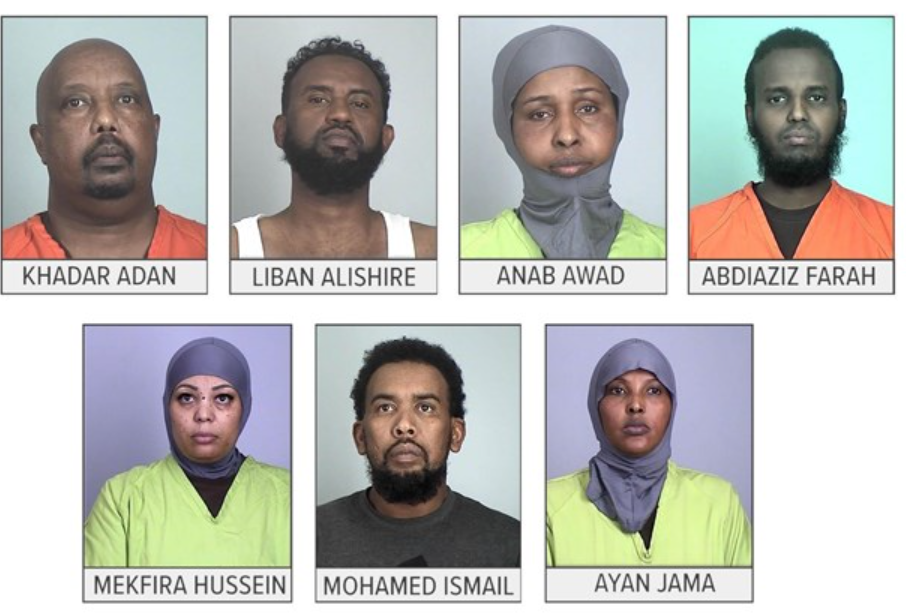
Former U.S. Attorney Joseph Thompson described the situation as a “web” of interconnected fraud schemes, collectively stealing billions of dollars in taxpayer money. Each new case uncovered reveals another layer of this intricate network.
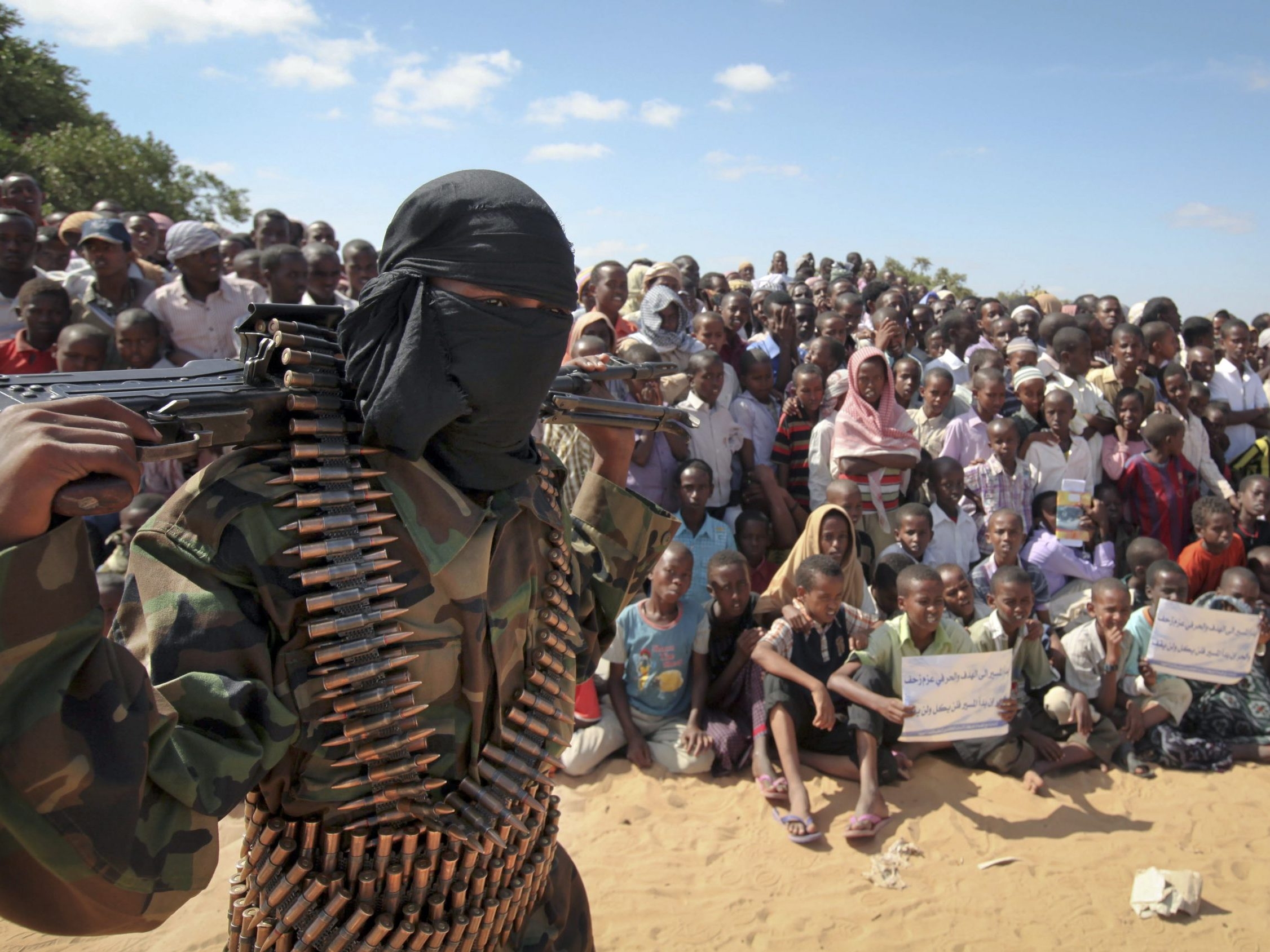
Perhaps the most alarming aspect of the allegations is the potential connection to terrorism. Reports suggest that an estimated $1.7 billion was sent from the Somali diaspora in Minnesota to Somalia in 2023 alone – exceeding Somalia’s entire annual budget.
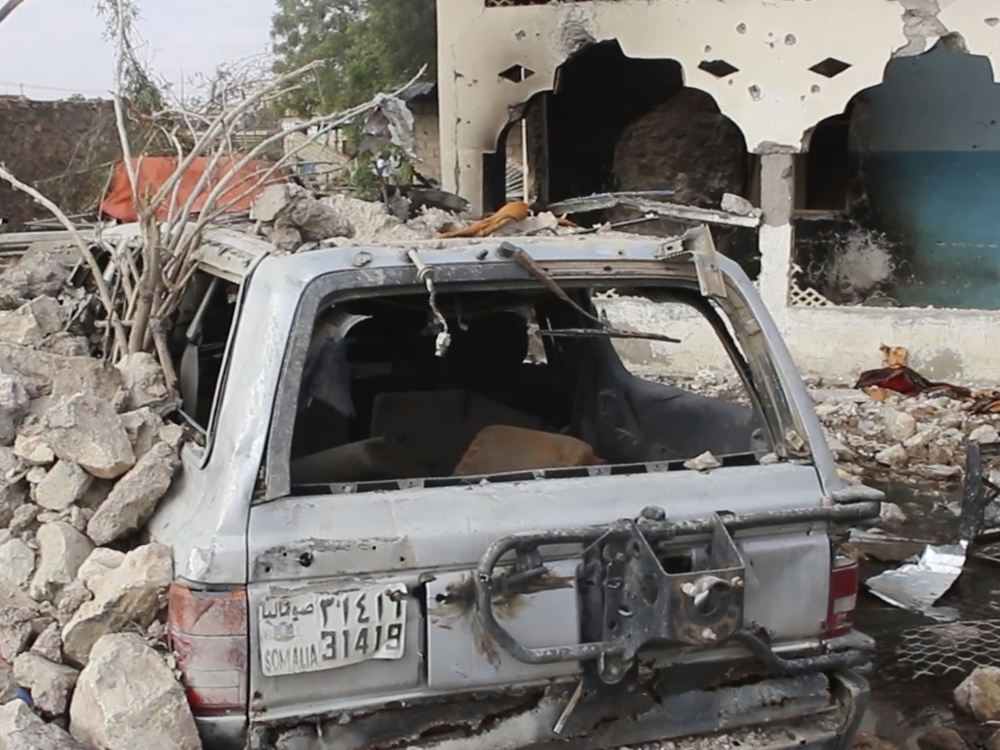
Intelligence sources indicate that a significant portion of these funds may have been diverted to Al-Shabaab, a dangerous terrorist organization. The money allegedly flowed through informal money-transfer systems, known as “hawalas,” ultimately reaching the hands of extremists.

At the heart of this controversy is a prominent Somali-American congresswoman, whose influence within the community is undeniable. Allegations have surfaced linking her to individuals and organizations involved in the welfare fraud schemes.
She allegedly attended events at restaurants implicated in the food fraud and maintained close ties with a convicted participant. Furthermore, a member of her own staff was also convicted of stealing millions in fraudulent funds.
Despite the gravity of the allegations, the congresswoman has remained largely silent, claiming ignorance of the widespread fraud. However, critics argue that her knowledge of the situation was far more extensive than she admits.
Concerns have also been raised about the role of state officials, with accusations that Governor Tim Walz was aware of the fraud early on but failed to take decisive action. Whistleblowers allege they faced retaliation for raising concerns.
A chilling effect reportedly descended upon government agencies, as officials feared being labeled racist for questioning the schemes. This fear, according to former legislator David Gaither, stifled investigations and allowed the fraud to flourish.
The prevailing narrative, according to Gaither, is that raising concerns equates to racism, effectively silencing dissent and discouraging scrutiny. This climate of fear allowed the alleged fraud to continue unchecked for an extended period.
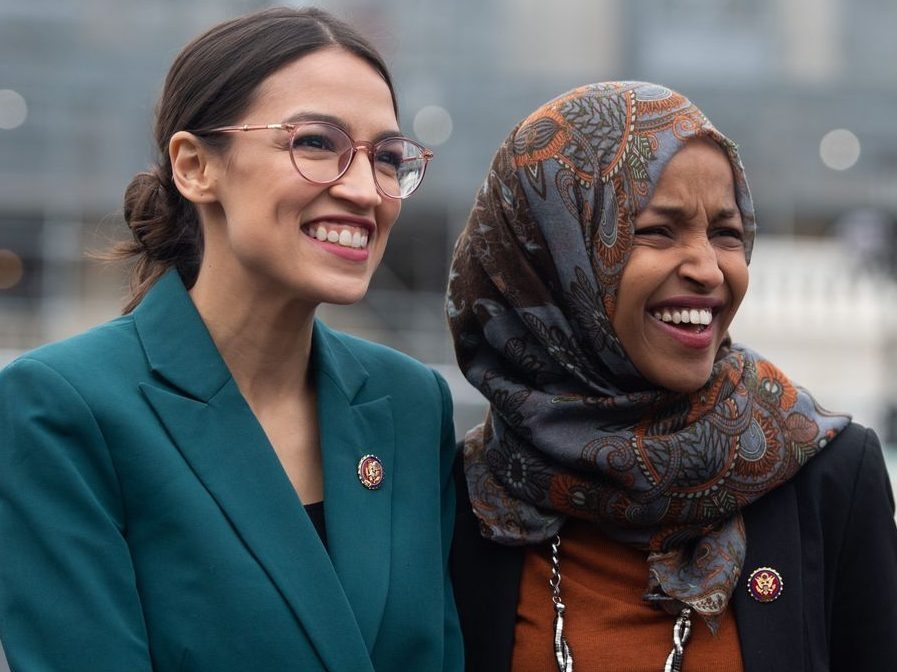
Some observers suggest a cultural disconnect may contribute to the problem, with a distrust of societal norms and a history of government corruption in Somalia potentially influencing behavior within the diaspora community.