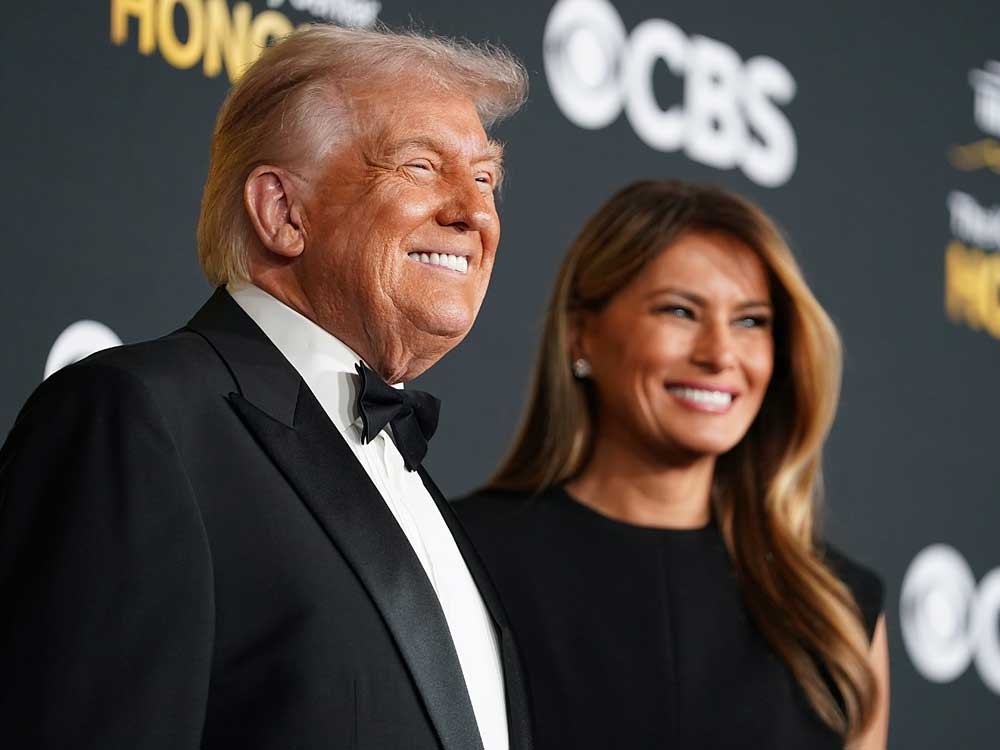
The Kennedy Center Honors are set to unfold with an unprecedented twist this year: President Donald Trump will not be seated in the audience, but will instead take the stage as host. This marks the first time a sitting president will directly command the ceremony, a departure from decades of tradition.
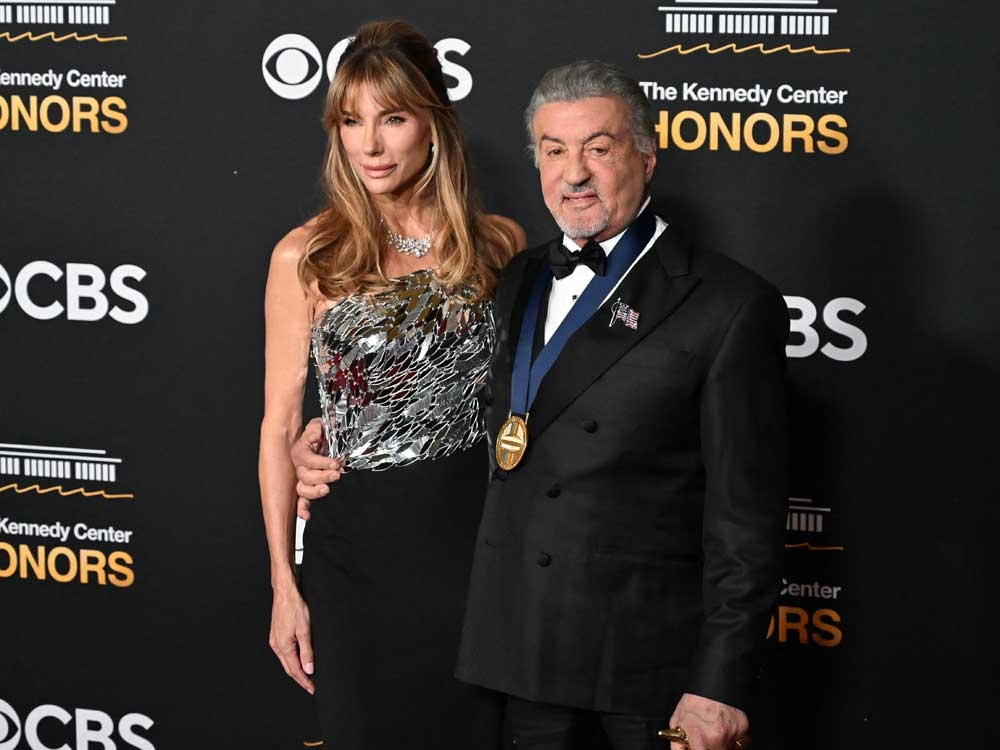
This year’s honorees represent a diverse spectrum of American artistry, including Sylvester Stallone, the iconic action star; the legendary Gloria Gaynor, whose anthem of resilience continues to inspire; and the flamboyant rock band Kiss, known for their theatrical performances and unforgettable image. Country music icon George Strait and Tony Award winner Michael Crawford also join the ranks of those being celebrated.
The President’s involvement extends beyond simply hosting. He has actively participated in the selection of the honorees, reportedly rejecting some recommendations deemed “too woke,” signaling a clear intention to reshape the event’s identity. This follows a period where he has increasingly viewed the Kennedy Center as a focal point in a broader cultural debate.
For Kiss, the evening carries a particularly poignant weight. The band mourns the recent loss of original lead guitarist Ace Frehley, and the President has promised to honor his memory with an empty chair on stage, a gesture of respect for a fallen musical pioneer.
The atmosphere leading up to the ceremony is charged with anticipation. Stallone described the experience as being “in the eye of a hurricane,” a whirlwind of emotion and recognition. Gloria Gaynor simply stated it “feels like a dream,” a culmination of a lifetime dedicated to music and empowerment.
Trump’s decision to host comes after a period of distance from the Kennedy Center during his first term, and a significant overhaul of its leadership. He has secured substantial funding for renovations, and even playfully suggested renaming the institution the “Trump Kennedy Center,” demonstrating a clear desire to leave his mark.
The Kennedy Center Honors have historically transcended political divides. Past ceremonies have seen Republican presidents honoring artists with opposing viewpoints, and vice versa, showcasing a commitment to celebrating artistic merit above political affiliation. This year, however, feels different, infused with the President’s distinct personality and agenda.
Gene Simmons of Kiss, while initially supportive of Trump in 2016, later expressed reservations, criticizing the former president’s rhetoric. Fellow bandmate Paul Stanley, after Trump’s 2024 victory, called for unity, urging acceptance and understanding across the political spectrum.
The ceremony promises to be a spectacle, a collision of art, politics, and remembrance. It’s a moment that will undoubtedly be scrutinized and debated, a reflection of the complex cultural landscape of America today. The broadcast, scheduled for December 23rd, is predicted to draw record ratings.
For the honorees, the recognition is a profound validation of their contributions to American culture. It’s a moment to reflect on their journeys, their impact, and the enduring power of art to inspire and unite.