A brazen daylight robbery has shaken the art world in Brazil. Thieves targeted the Mario de Andrade Library in São Paulo, making off with a collection of irreplaceable works by Henri Matisse and Candido Portinari.
The heist unfolded on Sunday, with a pair of armed robbers confronting a security guard and an elderly couple. They swiftly seized eight Matisse engravings and five pieces by Portinari, carefully displayed within a glass dome.
The stolen artworks were hastily stuffed into a canvas bag and carried away, a scene captured on startling video footage. The footage shows a thief abandoning the bag, propping the precious art against a wall beside a pile of refuse, then fleeing the scene.
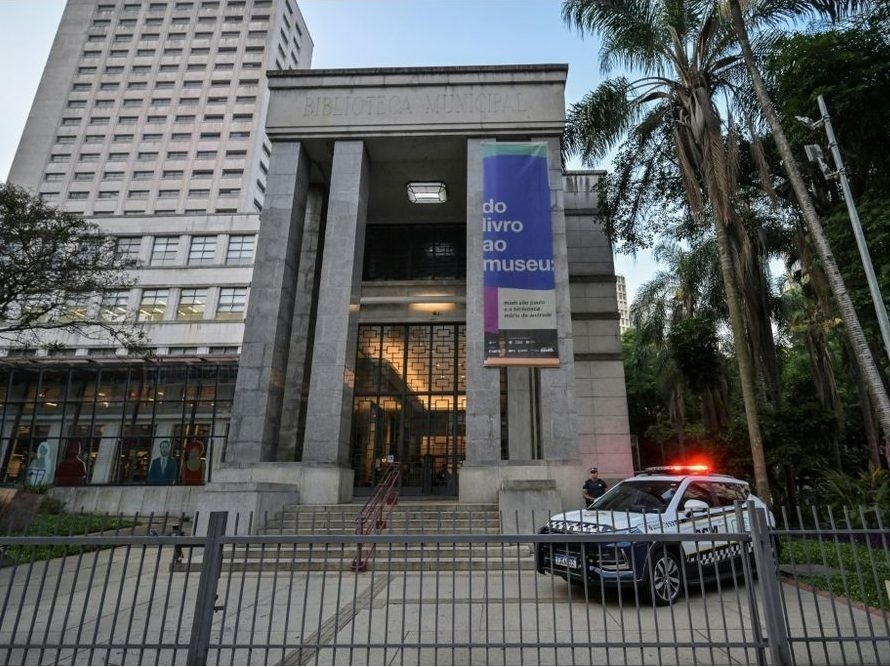
Authorities have identified one suspect and located the getaway vehicle, which is now undergoing forensic analysis. The search for the second individual involved in the theft is actively underway.
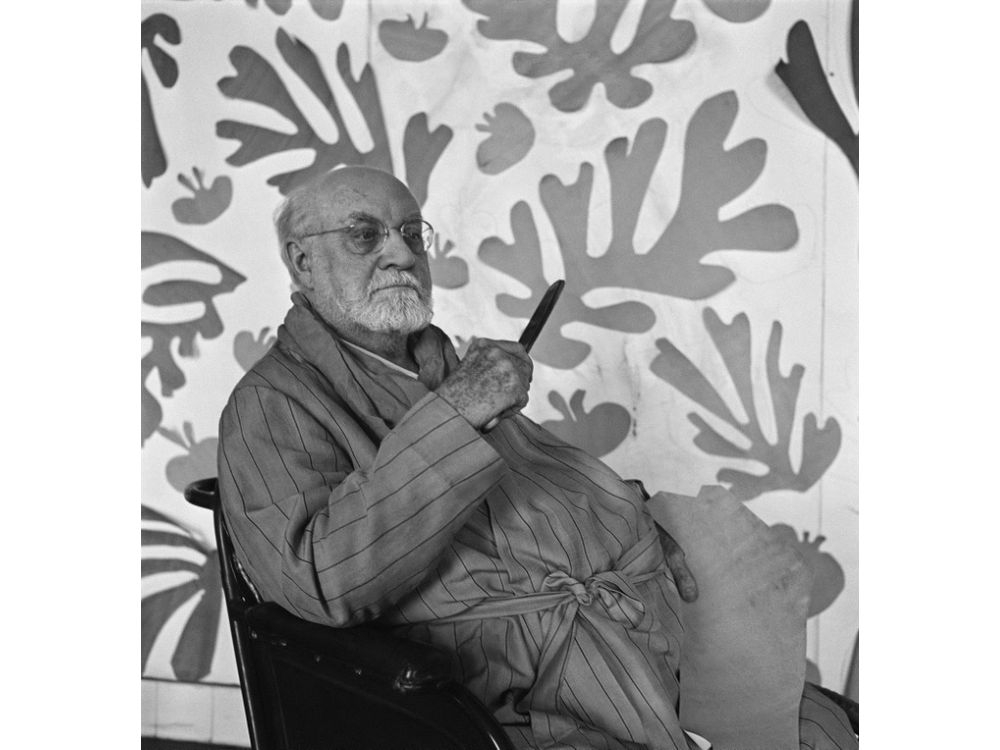
The stolen Matisse pieces were part of a limited-edition 1947 art book, “Jazz,” of which only 300 copies were ever produced. These cut-paper collages represent a significant chapter in the artist’s prolific career.
Matisse’s works command staggering prices on the international art market. Just months ago, a series of his drawings sold for over $2.5 million at auction, and a single painting, “Odalisque Couchee aux Magnolias,” reached a record $80.8 million in 2018.
The stolen collection also included five engravings by Candido Portinari, illustrations from his acclaimed 1959 book, “Menino de Engenho.” Portinari remains one of Brazil’s most beloved and influential artists.
The theft occurred on the final day of the “From the Book to the Museum” exhibition, a collaboration between the library and the Museum of Modern Art of São Paulo. The exhibit showcased a unique intersection of literature and visual art.
This incident echoes a recent high-profile break-in at the Louvre Museum in Paris, where thieves stole jewelry valued at approximately $100 million. Both events have prompted a renewed examination of security measures at cultural institutions worldwide.
The value of the stolen pieces from São Paulo has not yet been disclosed, but the loss represents a devastating blow to Brazil’s cultural heritage. The investigation continues, fueled by advanced surveillance technology, including security cameras and facial recognition systems.