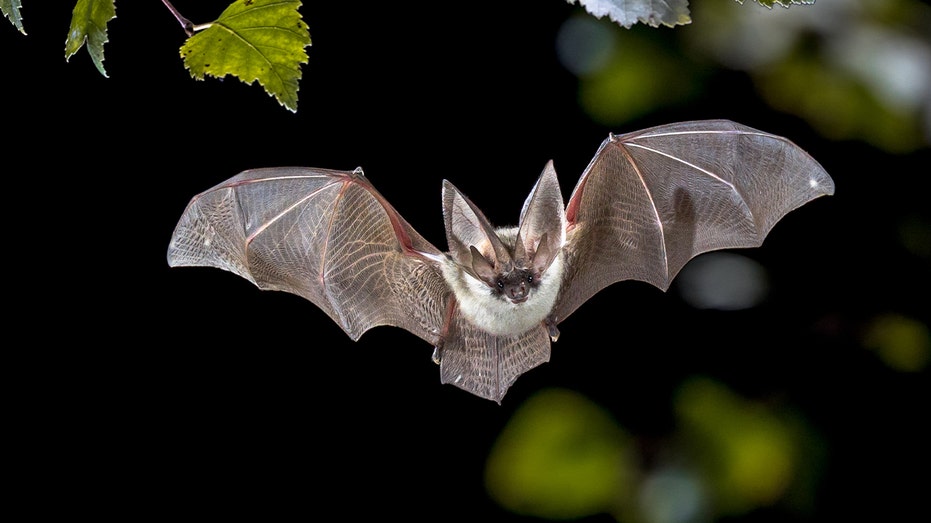
A silent threat has arrived in Nevada’s wild places. Wildlife officials have confirmed the presence of a devastating fungus linked to white-nose syndrome, a disease that has decimated bat populations across North America.
The fungus, known as *Pseudogymnoascus destructans* (Pd), was discovered during routine monitoring within the vast landscape of Lake Mead National Recreation Area. While no bats have yet exhibited the visible signs of the disease, its arrival marks a critical moment for the state’s bat populations.
White-nose syndrome earned its name from the distinctive white fungal growth that appears on the muzzles and wings of infected bats. This isn’t merely a cosmetic issue; the fungus disrupts their hibernation, causing them to awaken more frequently and expend vital energy reserves.
As bats struggle to survive the winter, they often succumb to starvation. The disease spreads rapidly between bats during hibernation, and tragically, humans unknowingly contribute to its dispersal by carrying fungal spores on their footwear from cave to cave.
First identified in New York in 2006, white-nose syndrome has relentlessly spread westward, leaving a trail of ecological disruption in its wake. Nevada represents the latest frontier in this ongoing crisis, a sobering reminder of the disease’s reach.
“Nevada’s bats are incredibly important,” explains a wildlife specialist, “and this fungus could have serious implications for their conservation.” Years of dedicated monitoring have prepared officials for this moment, but the challenge ahead remains significant.
Currently, efforts are focused on containing the spread of Pd through meticulous equipment sterilization, protecting critical bat habitats, and educating the public. Vigilant surveillance will continue to track the fungus’s progression and assess its impact on bat populations.
Officials are particularly urging visitors to avoid entering abandoned mines, both for their own safety and to prevent the unintentional transport of the fungus to new bat roosting sites. Lake Mead’s sprawling 1.5 million acres, encompassing mountains, canyons, and reservoirs, require careful stewardship.
The arrival of this fungus underscores the interconnectedness of ecosystems and the vulnerability of even the most resilient creatures. Protecting Nevada’s bats demands a collective effort, a commitment to responsible exploration, and a heightened awareness of the silent threats lurking within the wild.