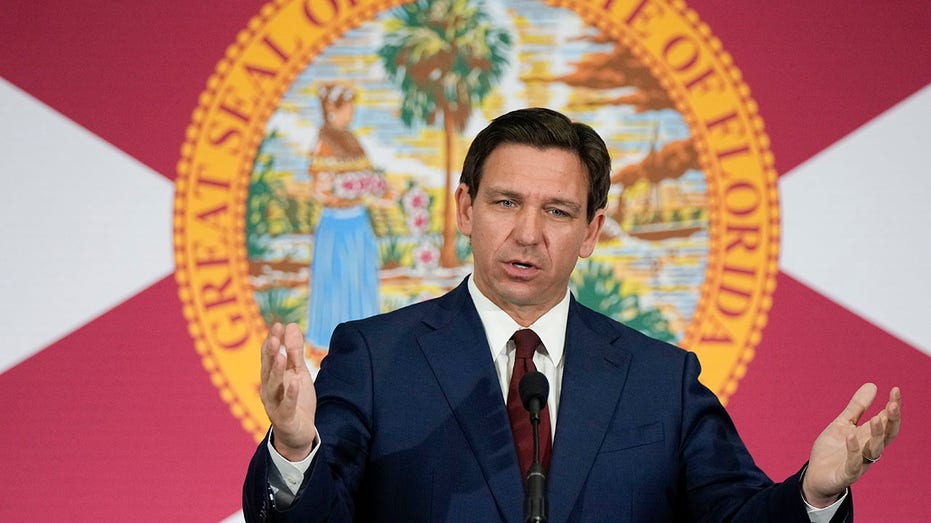
A legal battle is brewing in Florida after Governor Ron DeSantis issued an executive order labeling the Council on American-Islamic Relations (CAIR) a “foreign terrorist organization.” The move has ignited a firestorm of controversy, with CAIR vowing to fight the designation in court, calling it a dangerous and unfounded attack on civil liberties.
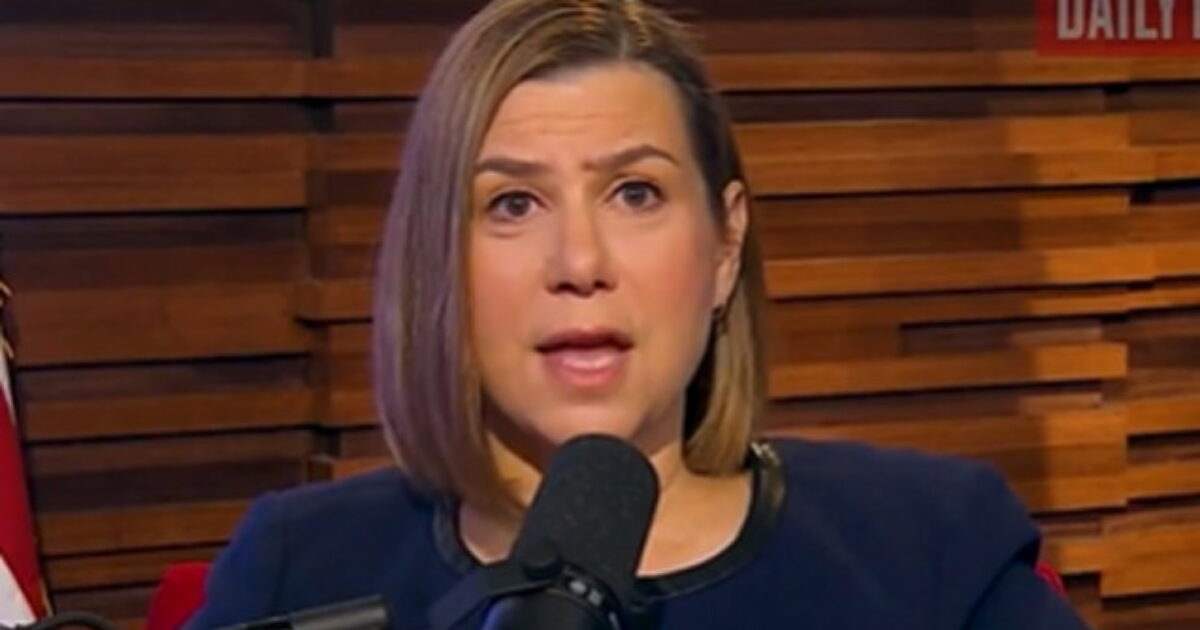
Hiba Rahim, deputy executive director of CAIR-Florida, addressed reporters with palpable defiance, framing the order as a resurgence of historical prejudice. She drew stark parallels to past injustices targeting Jewish, Irish, and Italian American communities, arguing this action is rooted in baseless conspiracy theories and a deliberate attempt to silence dissenting voices.
Rahim passionately defended CAIR’s commitment to constitutional principles and American ideals. “We are proud to defend free speech, democracy, and to be America first,” she stated, emphasizing the organization’s dedication to protecting the rights of all citizens.
The governor’s decision, according to Rahim, is inextricably linked to his staunch support for Israel. She asserted that CAIR’s advocacy work, particularly concerning Palestinian rights, has created “discomfort” for the U.S. ally, fueling the governor’s actions.
Governor DeSantis, however, remains resolute, asserting his administration possesses ample justification for the designation. He openly welcomed CAIR’s legal challenge, characterizing the order as a long-overdue response to perceived threats.
The executive order doesn’t stop with CAIR; it also lists the Muslim Brotherhood as a “foreign terrorist” organization. This echoes a recent move by former President Donald Trump, who initiated a federal review to potentially designate certain chapters of the Brotherhood as terrorist entities.
DeSantis signaled this order is merely the first step, anticipating legislative action when Florida lawmakers reconvene. The directive immediately prohibits state agencies from awarding contracts, employment, or funding to CAIR, the Muslim Brotherhood, or any entities providing them material support.
Legal experts are already questioning the governor’s authority. Attorney Miranda Margolis argued DeSantis overstepped his bounds by unilaterally branding a nonprofit as a terrorist organization, calling the designation “without legal or factual basis” and a dangerous escalation of anti-Muslim rhetoric.
Florida’s action mirrors a similar proclamation in Texas, where Governor Greg Abbott issued a comparable designation against CAIR. That order is currently being challenged in federal court, with CAIR arguing it violates both the U.S. Constitution and Texas law.
It’s crucial to understand that state-level designations carry less legal weight than official federal classifications issued by the U.S. State Department. CAIR maintains the Florida order infringes upon its First Amendment rights and due process protections, asserting that terrorism designations are exclusively within federal jurisdiction.
The impending legal battle promises to be a landmark case, raising fundamental questions about the balance between national security concerns, civil liberties, and the limits of state power. The outcome will undoubtedly have far-reaching implications for Muslim organizations and the broader landscape of American political discourse.