A billion dollars vanished. Not through sophisticated cybercrime, but through brazen, widespread fraud within Minnesota’s social service system. The perpetrators? Primarily, newly arrived Somali immigrants. The scale of the deception is staggering, yet the response – or lack thereof – reveals a deeper, more troubling story.
For years, Minnesota officials had been cultivating a narrative of systemic racism, fueled by a 2019 investigation highlighting a stark economic disparity between Black and White residents. The state, eager to address perceived historical injustices, began to view any attempt at accountability as potentially discriminatory.
This self-imposed sensitivity stemmed from a critical miscalculation. Progressives conflated the struggles of African Americans, descendants of generations of systemic oppression, with those of recent immigrants fleeing the devastation of the Somalian civil war. It was a fundamental misunderstanding with devastating consequences.
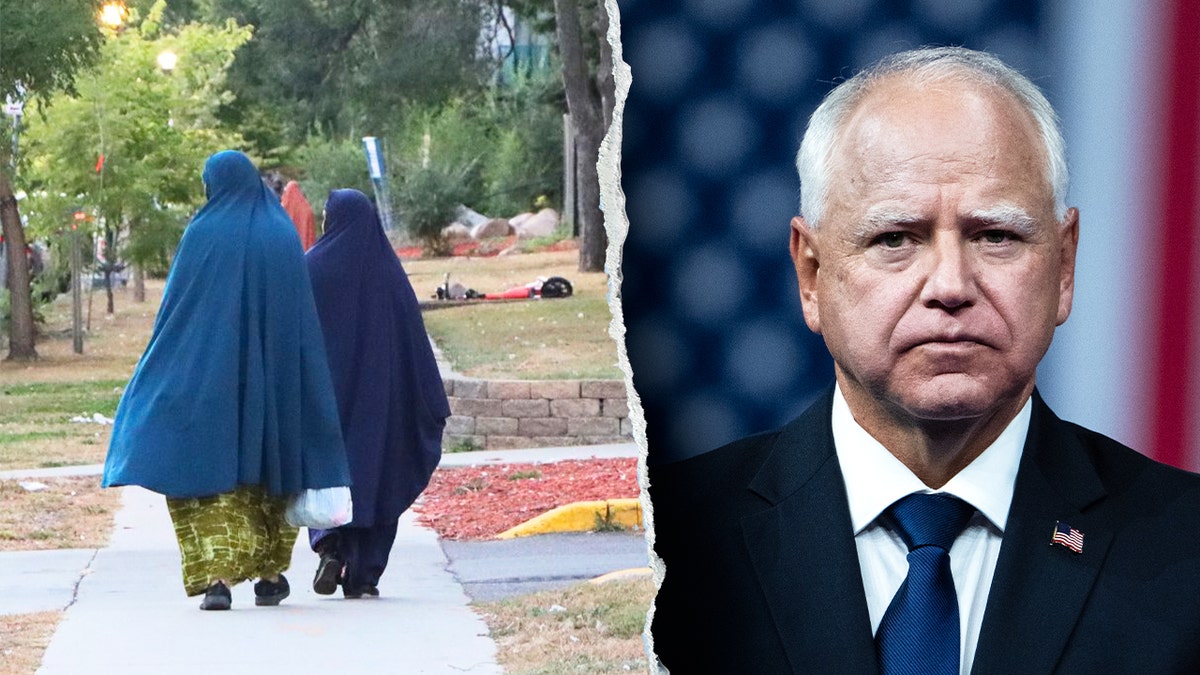
The data paints a clear picture. Neighborhoods with high concentrations of Somali immigrants – like North Minneapolis’ Hawthorne and Cedar-Riverside – also exhibit the highest rates of poverty. However, attributing this poverty to historical American racism ignored the reality of immigration and the challenges of resettlement.
Instead of acknowledging this distinction, Minneapolis doubled down on “anti-racist” policies. Mayor Jacob Frey, already under fire for his handling of the George Floyd riots, spearheaded the abolition of single-family zoning, framing it as a form of reparations. The city was determined to dismantle perceived “racist policies” embedded in its very structure.
This fervor overlooked a crucial fact: Minneapolis historically had a relatively small Black population, and many neighborhoods were already integrated. The increase in the Black population was largely due to Somali immigration, a demographic shift that had little to do with the legacy of Jim Crow.
The narrative of systemic racism created a climate where scrutiny of social service spending became politically perilous. Officials, fearing accusations of bias, turned a blind eye to the escalating fraud occurring within food banks and autism treatment centers – organizations serving the Somali community.
Governor Tim Walz may have even viewed the influx of federal dollars as a solution to the perceived wealth gap, failing to recognize that unchecked spending would only exacerbate the problem. A focus on assimilation – English language acquisition and skills training – was sidelined in favor of addressing “systemic racism.”
Minnesota had already demonstrated a willingness to embrace diversity, electing its first Black female mayor in 1994 and seeing an NFL legend rise to the state Supreme Court. The state had no logical reason to believe that investigating welfare fraud within a new immigrant community was inherently racist.
Yet, fueled by misplaced guilt and a distorted understanding of history, officials chose inaction. The result? A staggering loss of taxpayer money and, more importantly, a profound erosion of public trust in a state once known for its good governance. The cost extends far beyond dollars and cents; it’s a loss of faith in the very institutions designed to serve and protect its citizens.
The story serves as a stark warning: good intentions, divorced from reality and driven by ideological fervor, can pave the road to disaster. And in this case, the disaster is a billion-dollar betrayal of the public trust.