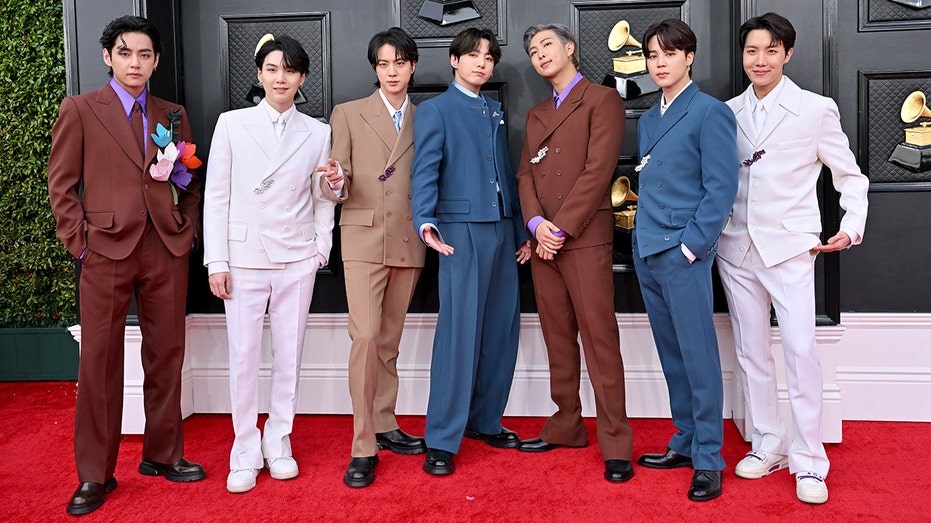
This June, when BTS returns to the stage in Seoul after a four-year absence, it will be a moment far greater than a simple comeback. It will be a powerful validation – a testament to a remarkably astute national strategy unfolding before the world’s eyes.
At the peak of their global influence in 2022, the seven members of BTS made a daring decision: to fulfill their mandatory military service. Exemptions were almost guaranteed, yet they chose duty. This wasn’t a sacrifice of career, but a masterstroke in understanding how true cultural power is forged.
Predictions of ruin proved spectacularly wrong. BTS demonstrated that soft power isn’t about avoiding responsibility, but embracing it. Their return will be imbued with a new level of respect, proving their success wasn’t built on privilege, but on shared obligation – a parallel seen decades ago with Elvis Presley’s own service.
Soft power, unlike economic or military might, is a benefit that extends to an entire nation. It’s the influence born from creativity, enriching a country’s standing on the world stage. From Britain’s cricket legacy to America’s jazz and Hollywood, cultural exports shape global perceptions.
Now, South Korea is ascending. But a troubling shadow hangs over the very ecosystem that birthed BTS. The nation excels at creating global phenomena, yet simultaneously treats those responsible for that success with unwarranted suspicion.
South Korea’s cultural dominance wasn’t engineered by government decree. It arose from ambition, shrewd business practices, and a carefully balanced regulatory environment that allowed for innovation. Building a K-pop empire demands immense investment, global reach, and the courage to gamble on connecting with audiences worldwide.
However, a dangerous pattern has emerged: popularity itself is viewed as a potential offense. Bang Si-hyuk, the visionary behind HYBE and BTS’s global ascent, now faces legal challenges over routine corporate transactions – a familiar consequence of Korean companies achieving significant scale.
The specifics are less important than the chilling effect. Bold risk-taking generates soft power, only to be met with investigation upon success. Future entrepreneurs, those who might create the next BTS or a hit like “Crash Landing on You,” are forced to temper their ambition, watching the fate of those who dared to dream bigger.
This is a potentially fatal flaw in the pursuit of cultural influence. China has poured billions into state-directed cultural initiatives, largely failing because audiences instinctively reject manufactured narratives. South Korea, through free enterprise, is achieving something authentic – creations that resonate both locally and globally.
Japan had a similar opportunity in the 1990s with anime and video games, but squandered it through governmental missteps. South Korea risks repeating this mistake, losing the invaluable influence that comes with genuine national soft power.
South Korea must recognize its cultural assets as strategic resources. France actively protects its luxury brands, understanding they project French taste and artistry in ways no government could replicate. The question isn’t just about maintaining standards, but about safeguarding the champions who create them.
BTS’s decision to serve embodies the potential when artists, companies, and national interests align. HYBE supported that choice, but South Korea cannot rely on such voluntary acts if success is automatically equated with wrongdoing. The next generation is watching, weighing global impact against domestic security.
South Korea unexpectedly became a cultural superpower. It doesn’t have to relinquish that position. But it requires recognizing that the bold, imperfect individuals who build global cultural empires are assets to be nurtured, not problems to be managed.
BTS bet on their country. Now, South Korea must decide: will it bet on the creators of the next BTS, or subject them to relentless scrutiny? The future of Korean soft power hangs in the balance.