A controversial proposal is gaining traction in Washington – a potential renaming of a prominent area of the nation’s capital. The move comes exactly three months after the shocking assassination of a well-known political activist, igniting a fierce debate about remembrance and ideological clashes.
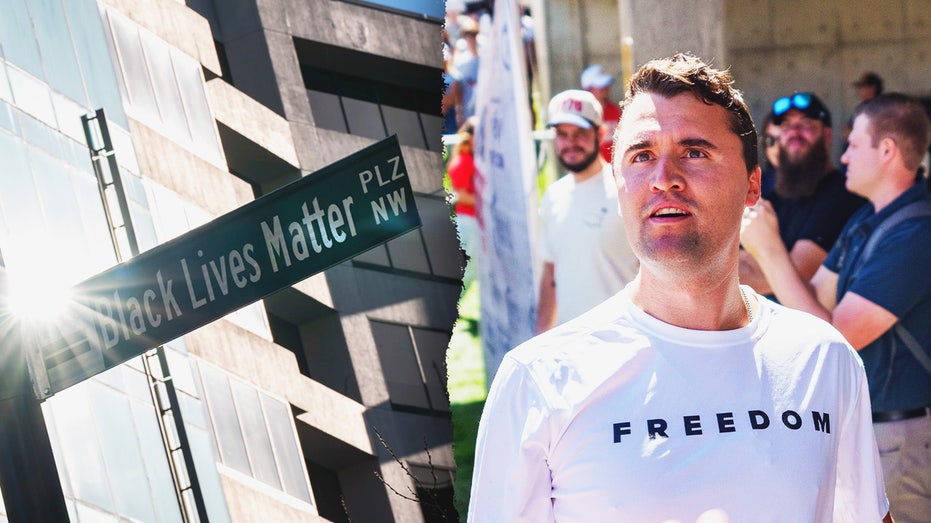
Representative Nancy Mace is spearheading the effort, aiming to replace the current name of a two-block stretch with that of the slain activist. This area, recently known as “Black Lives Matter Plaza,” became a focal point during a period of intense national unrest and protest.
Mace frames the renaming as a powerful statement in defense of free speech and a direct rebuke of the Black Lives Matter movement. She argues the group’s actions and rhetoric pose a threat to fundamental American values, specifically citing calls to defund law enforcement and perceived limitations on expression.
The history of the plaza itself is steeped in political tension. In June 2020, amidst widespread demonstrations following a tragic death in Minneapolis, the city government officially designated the area as Black Lives Matter Plaza, commissioning a large, vibrant mural across the street.
However, that decision was recently reversed in March, succumbing to mounting pressure from Republican lawmakers and a broader national shift away from diversity, equity, and inclusion initiatives. The reversal paved the way for the current proposal.
The activist’s death occurred during a college speaking engagement focused on free speech, a detail Mace emphasizes as central to her proposal. The accused killer now faces the possibility of the death penalty, underscoring the gravity of the crime.
While acknowledging the uphill battle her bill faces, Mace vows to aggressively champion the renaming. She believes it’s a crucial step in honoring the activist’s legacy and safeguarding the principles he championed.
This isn’t the first attempt to memorialize the activist following his death. A House resolution honoring him passed in September, receiving bipartisan support, though a significant number of Democrats either opposed it or abstained from voting.
The proposal has ignited a firestorm of debate, highlighting the deep divisions within the country and the potent symbolism attached to public spaces. It raises fundamental questions about how a nation remembers its tragedies and honors those lost.
The Black Lives Matter movement, born from protests against police brutality, has faced scrutiny and criticism, despite not being officially designated as a terrorist organization. Concerns have been raised regarding its financial practices and the impact of its advocacy for police reform.
Regardless of the bill’s ultimate fate, the proposal serves as a stark reminder of the fragility of free speech and the enduring power of ideological conflict in the American landscape. It’s a moment that forces a reckoning with the nation’s values and its path forward.