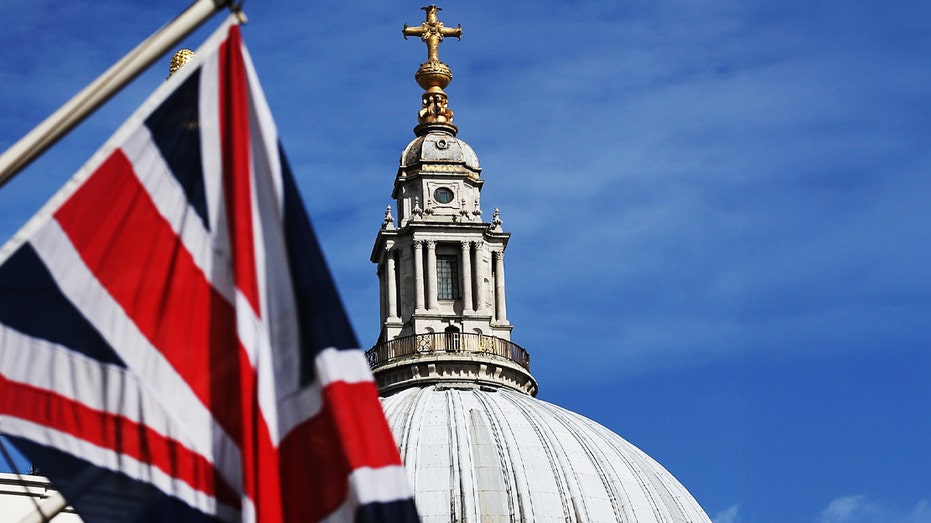
A London elementary school teacher lost his job and faced investigation after a simple statement to a student – a declaration that Britain is a “Christian country.” The incident, unfolding earlier this year, has ignited a fierce debate about the boundaries of free speech, the complexities of multiculturalism, and the very purpose of safeguarding measures within British schools.
The core of the controversy stemmed from the teacher’s assertion about the nation’s religious heritage and the King’s role as head of the Church of England. Supporters argue it was a factual observation, not an inflammatory remark. Yet, it triggered a chain of events that ultimately led to his dismissal and referral to authorities.
Adding another layer to the situation, the complaint also involved a student performing a pre-prayer ritual – washing his feet in a school sink. The teacher’s request that the student refrain from this practice in the school lavatories further fueled the parent’s concerns and contributed to the escalating dispute.
Those defending the teacher point to a troubling trend: an increasing number of referrals to safeguarding panels for expressing what are considered mainstream viewpoints. Concerns are growing that legitimate opinions are being misconstrued as threats to children’s safety, stifling open discussion and academic freedom.
The Teaching Regulation Authority (TRA) conducted a full hearing, meticulously examining the evidence. In a surprising turn, the TRA ultimately dismissed the charges, finding no grounds for disciplinary action. A different outcome could have resulted in a lifetime ban from the teaching profession.
Despite the TRA’s decision, the teacher is now pursuing a lawsuit for unfair dismissal, supported by an organization dedicated to protecting free speech. This legal battle underscores the high stakes involved and the potential for lasting damage to a teacher’s career.
The case has also become entangled in a national conversation surrounding the U.K. government’s efforts to define Islamophobia. Opponents fear that a formal definition could be weaponized, leading to restrictive “speech codes” and potential disciplinary repercussions for expressing dissenting opinions.
Some observers suggest that political considerations are at play, with the governing party potentially motivated to appease Muslim constituencies and avoid losing parliamentary seats to independent candidates. This dynamic, they argue, could incentivize granting “special protections” that ultimately undermine broader principles of free expression.