Elon Musk, reflecting on his time leading a controversial government initiative, admitted the effort was only “somewhat successful” and a path he wouldn’t revisit. The tech mogul, known for Tesla, SpaceX, and X, spoke candidly about the challenges of navigating the complexities of federal bureaucracy.
The initiative, a temporary agency championed by a former president, aimed to streamline government operations. Musk, despite broadly defending the agency’s intent, revealed the significant toll it took on his private ventures. He lamented the lost focus and the resulting impact on his businesses.
“We were a little bit successful,” Musk conceded, a measured assessment of an undertaking that ultimately fell short of its ambitious goals. He openly stated that, given the chance, he would have prioritized the growth and innovation within his own companies instead.
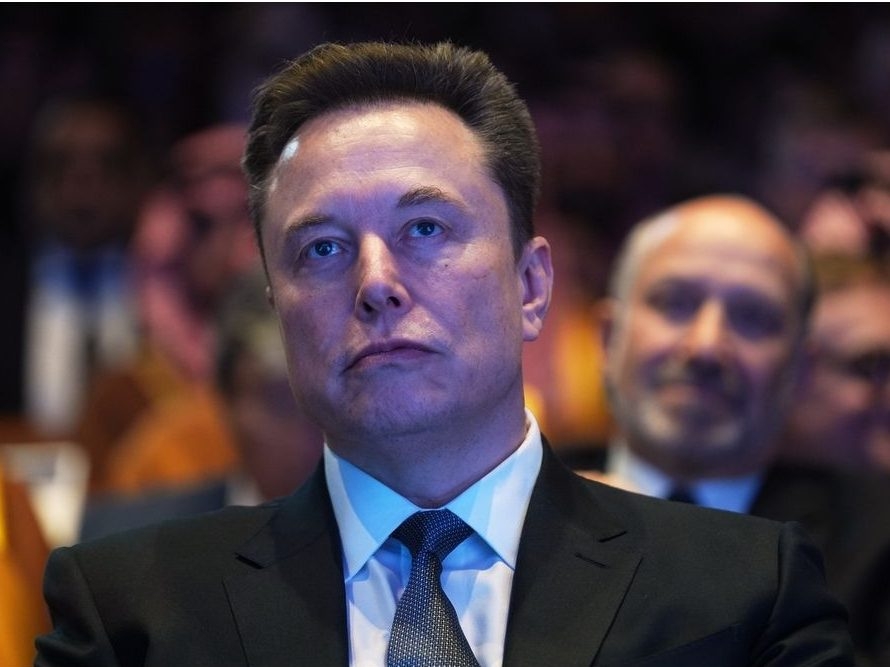
A hint of regret surfaced as Musk recalled a period of public backlash against Tesla, stating, “They wouldn’t have been burning the cars.” This alluded to consumer protests that arose during his involvement with the government project, suggesting a direct correlation between his divided attention and the challenges faced by his automotive company.
Ironically, Musk’s fortunes have soared since stepping away from the government role. Tesla shareholders recently approved a landmark pay package, potentially propelling him to become the world’s first trillionaire. The contrast between his past struggles and current success is stark.
The conversation unfolded during a lengthy interview on a podcast hosted by Katie Miller, a former spokesperson for the initiative and now a close associate of Musk. Their discussion covered a wide range of topics, from artificial intelligence to social media and even fashion.
While the interview touched upon the agency’s work, it largely avoided delving into the specifics of its controversial implementation and the concerns surrounding its access to federal data systems. The focus remained on Musk’s personal experience and reflections.
Musk did highlight one potential achievement: the identification of $200 billion in potential annual savings through the elimination of “zombie payments.” He argued that improved automation and coding could prevent these wasteful expenditures. However, this figure pales in comparison to the trillions in savings he initially projected.