A billion dollars. That’s the estimated scale of a breathtaking fraud scandal engulfing Minnesota, a financial hemorrhage impacting vital programs from childcare to COVID-19 relief and even autism care. The crisis, unfolding over years, has sparked a furious debate over who bears the responsibility for allowing such widespread abuse to occur.
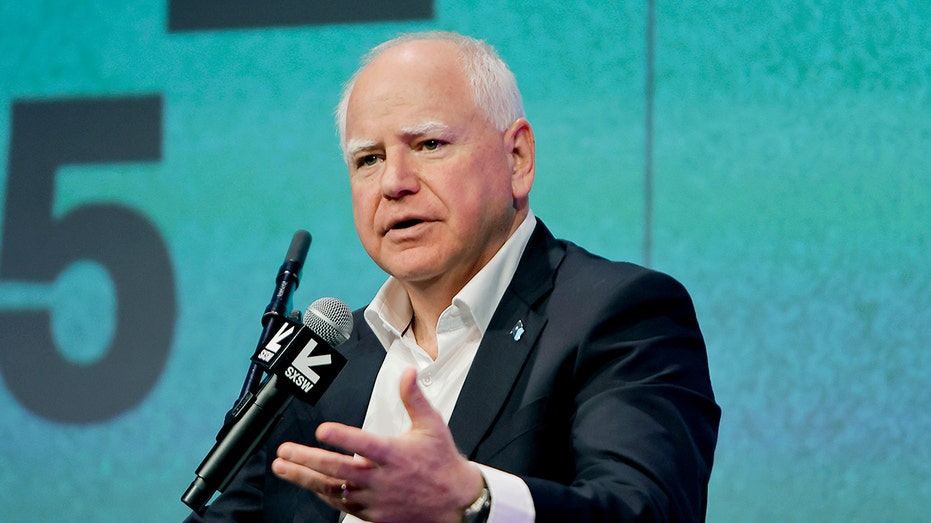
Republican lawmakers are pointing directly at Governor Tim Walz, accusing him of negligence and a delayed response. Senator Julia Coleman, representing Carver County, stated bluntly that the governor is “the number one culprit,” responsible for protecting taxpayer dollars – a duty she believes he failed to uphold for years. The criticism isn’t simply about inaction, but a perceived indifference until the scandal gained national attention.
The sheer magnitude of the fraud is staggering, described by Representative Mark Koran as “almost incomprehensible.” He argues the governor, as head of the executive branch controlling all agencies, was either profoundly incompetent or knowingly complicit. There’s little room, he insists, for any other explanation.
At the heart of the crisis lies the “Feeding Our Future” scandal, now the nation’s largest COVID-19 fraud case. Prosecutors allege a scheme exploited a federally funded children’s nutrition program, diverting funds intended for meals for low-income children. This single case exemplifies a broader pattern of vulnerability within Minnesota’s social services.
Senator Michael Kreun paints a grim picture, suggesting Minnesota has become an “epicenter of fraud” in the United States. He claims repeated attempts to implement anti-fraud measures were actively resisted by Governor Walz, exacerbating the problem. Kreun also points to a systemic lack of oversight, with programs operating on an “honor system” easily exploited by criminals.
Legislators acknowledge the challenge of regaining control, noting the legislature itself has limited oversight of agency operations. Representative Koran emphasizes the governor held “sole responsibility” from the moment he took office, inheriting a vulnerable system he then allegedly worsened without taking corrective action.
The governor’s office defends its record, asserting that addressing fraud is a “top priority.” They highlight systematic changes implemented over the past three years, including hiring investigators, auditors, and establishing a specialized fraud-fighting unit. These efforts, they claim, are building stronger safeguards throughout state government, though many have been behind the scenes.
Despite these claims, the fundamental question remains: how did a fraud of this scale go undetected for so long? And more importantly, can Minnesota rebuild trust and safeguard taxpayer dollars before the damage becomes irreparable? The coming legislative session promises a fierce battle over accountability and the future of the state’s social safety net.