A seismic shift is underway in Texas’ 30th Congressional District. Reverend Frederick Douglass Haynes III, the pastor who has guided Representative Jasmine Crockett, is now vying for her seat as she sets her sights on the Senate. Haynes is not a newcomer to the political arena, but his past pronouncements are igniting intense scrutiny.
Haynes has long been a vocal advocate for reparations, arguing America carries a profound debt to the African American community. At a gathering in San Francisco, he delivered a stark message: “America, you owe us. What you done to us has been immoral…the only way to bring salvation to America – you gotta pay us what you owe us.” His words resonated deeply with those present, including a prominent pastor known for his own controversial views.
The event took place at the church led by Amos Brown, a longtime mentor to Vice President Kamala Harris. Brown lauded Haynes’ call for reparations, urging a local task force to “implement what our preacher has so eloquently stated.” This moment underscores a network of influential figures pushing for a reckoning with America’s past.
Haynes’ perspective on American history is uncompromising. He asserts the nation was “born in the sin of a hostile, genocidal takeover of Indigenous land and shaped by anti-Black White supremacy.” He frames reparations not as charity, but as a necessary step towards national redemption, a “cashing of a check” for generations of economic exploitation.
His history includes a photograph with Louis Farrakhan, whom he described as a “wonderful and great man” and a “prophetic leader.” These associations, coupled with his fiery rhetoric, are drawing sharp criticism and raising questions about his political ideology.
Recently, Haynes responded to the death of a conservative activist with pointed remarks, differentiating the incident from the assassinations of civil rights leaders like Martin Luther King Jr. and Malcolm X. He argued that the characterization of the death as an “assassination” was inappropriate, sparking further controversy.
Central to Haynes’ worldview is a belief that America’s origins are steeped in violence. He has repeatedly stated, “America was born in political violence,” citing the slave trade, lynchings, and historical oppression of various groups. He challenges those who claim the nation is “better than this,” insisting that confronting this violent past is essential for progress.
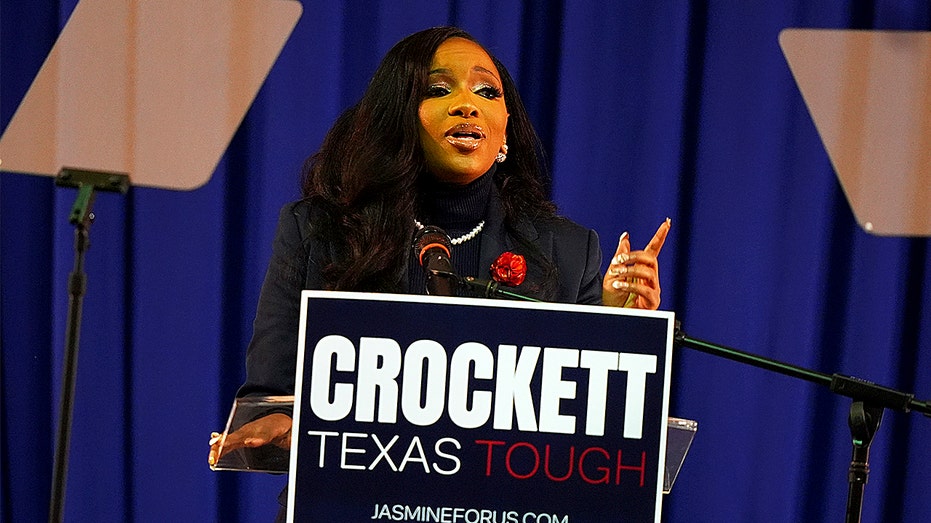
At Representative Crockett’s Senate launch, Haynes accused Republicans of “racism” regarding a recent redistricting bill. He framed Crockett as a beacon of hope, comparing her to the biblical Esther, poised to bring light during a dark time. This public display of support highlights the close relationship between the two figures.
Crockett herself has publicly praised Haynes, acknowledging his years of guidance and expressing pride in his work. Their connection reveals a shared vision and a deep mutual respect, adding another layer to the unfolding political narrative.
As Haynes embarks on his campaign, his past statements and unwavering convictions are certain to fuel a vigorous debate about America’s history, its obligations, and its future. The race to replace Crockett promises to be a defining moment for the 30th Congressional District and a powerful reflection of the nation’s ongoing struggle with its past.