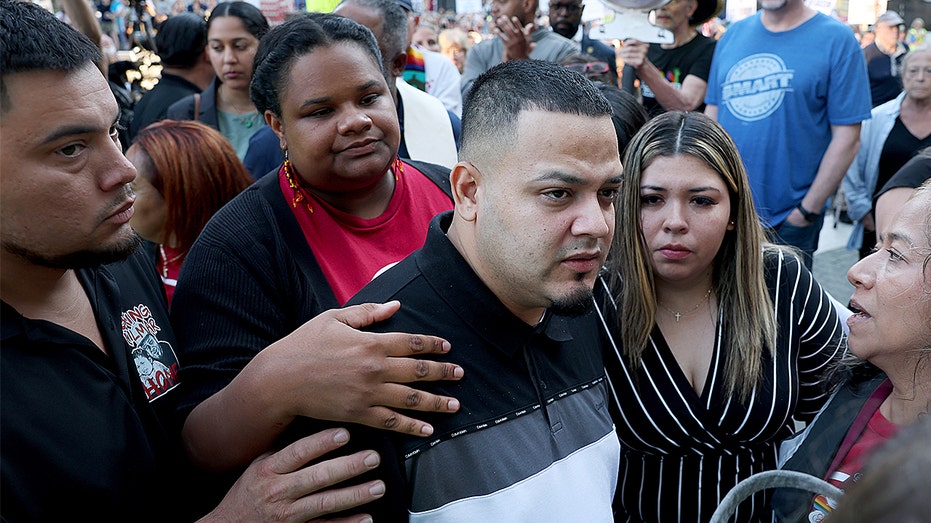
Kilmar Abrgeo Garcia, once the central figure in a highly publicized deportation effort, is now a free man. After months of legal battles and detention, his release marks a significant turn in a case that ignited fierce debate about immigration policy.
The order for his release came swiftly from U.S. District Judge Paula Xinis, who determined the government lacked a crucial element needed for deportation: a finalized removal order. This wasn’t a simple oversight; it revealed a fundamental flaw in the process used to attempt his transfer to a third country.
Garcia’s journey has been fraught with hardship. He was initially deported under the Trump administration, only to be returned after evidence surfaced suggesting procedural errors in his original removal. His subsequent re-detention, the judge noted, was also without legal justification.
The judge’s decision centered on the absence of a complete record detailing potential destinations – specifically, a list of African nations previously considered for his relocation. Without this documentation, the legal basis for continued detention crumbled.
This case highlights the complexities and potential pitfalls within the deportation system. It underscores the importance of due process and the need for meticulous adherence to legal requirements, even in politically charged situations.
Garcia’s lawyer confirmed the release, bringing an end – at least for now – to a chapter defined by uncertainty and legal challenges. The implications of this ruling could extend beyond his individual case, potentially influencing future deportation proceedings.