A quiet battle over American identity is being waged – not on a battlefield, but on the very coins in our pockets. Newly revealed details show a dramatic reversal of course regarding the designs for quarters commemorating the 250th anniversary of the nation’s founding.
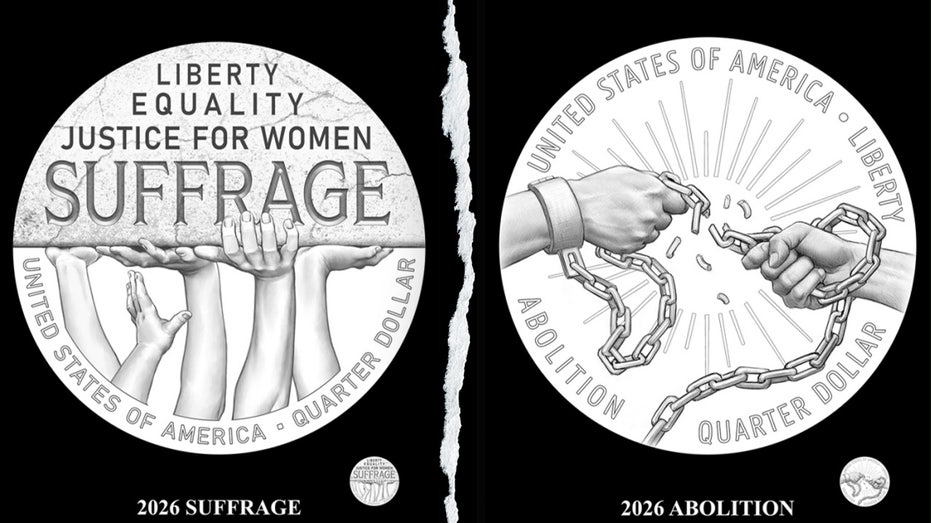
The initial designs, conceived during the previous administration, steered sharply away from traditional depictions of the Founding Fathers. Instead, they emphasized themes of diversity, equity, and inclusion, featuring powerful imagery like broken shackles symbolizing abolition and arms raised in solidarity for women’s suffrage. One design even bore the inscription “We Shall Overcome.”
These proposed quarters, never publicly released, were discovered after a change in leadership at the Treasury. The incoming administration deemed them insufficiently focused on American history and the principles of the nation’s founding. A complete overhaul was swiftly ordered.
The shift wasn’t merely cosmetic. It represented a fundamental disagreement over how to interpret and celebrate America’s past. The new designs, unveiled recently, embrace a more conventional patriotism. They feature iconic symbols like the Liberty Bell, Independence Hall, and a poignant depiction of Abraham Lincoln delivering the Gettysburg Address.
One striking new quarter portrays a Pilgrim couple embracing, a scene evoking the spirit of the Mayflower Compact. Another honors the Revolutionary War with a depiction of a soldier, a direct contrast to the more abstract imagery of the previous proposals. The focus is undeniably on the historical narrative traditionally associated with the birth of the United States.
The decision has ignited a political firestorm. While proponents of the new designs argue they foster patriotism and accurately reflect the nation’s origins, critics contend they represent a rejection of progress and a downplaying of the struggles for equality that have shaped American history.
Adding another layer of complexity, legislation has been introduced to prevent the minting of coins bearing the likeness of a sitting president – a move widely seen as a direct response to plans for commemorative coins featuring the current administration’s leader. The debate underscores a deep-seated tension over how America chooses to remember, and represent, itself.
The humble quarter, it seems, has become a surprising battleground in a larger cultural and political war. These small pieces of metal now carry a weight far beyond their monetary value, embodying a nation grappling with its past, present, and future.