A billion dollars is heading to Georgia, a lifeline thrown to communities still reeling from a brutal year of natural disasters and a relentless pandemic. The funds, released by the Department of Homeland Security, represent a massive investment in rebuilding and recovery, addressing damage from Hurricane Helene, Tropical Storm Debby, and the extraordinary strain placed on healthcare systems during the COVID-19 crisis.
Hurricane Helene, a Category 4 monster with 140 mph winds, slammed into the coast in September, leaving a trail of devastation in its wake. The National Oceanic and Atmospheric Administration estimates the storm caused nearly $79 billion in damages, placing it among the most expensive storms in American history. Tragically, around 250 lives were lost, the highest death toll from a single storm since Hurricane Katrina.
The bulk of the funding – $671 million – is earmarked for Georgia’s healthcare facilities, recognizing the immense costs incurred battling the pandemic. This includes vital resources like nurses, clinical staff, protective equipment, sanitation supplies, and widespread testing. The financial burden of these emergency measures threatened to overwhelm the state’s healthcare infrastructure.
Beyond the pandemic response, $350 million will fuel over 140 recovery projects directly linked to Helene and Debby. A significant portion, $140 million, is dedicated to clearing the mountains of debris that choked communities across more than 20 jurisdictions. Another $179 million will support emergency measures undertaken by local governments, electrical cooperatives, and universities.
The aid doesn’t stop at immediate cleanup. $17 million will be used to repair critical transportation arteries – roads, bridges, and culverts – in over 20 municipalities. Remaining funds will address damage to public buildings and utilities, and invest in long-term hazard mitigation, like flood control projects in Richmond Hill and the distribution of generators statewide.
This influx of federal assistance arrives as the future of the Federal Emergency Management Agency itself hangs in the balance. A crucial meeting to discuss restructuring FEMA was abruptly postponed, leaving the agency’s fate uncertain. The delay has raised questions and fueled concerns about the direction of disaster relief efforts.
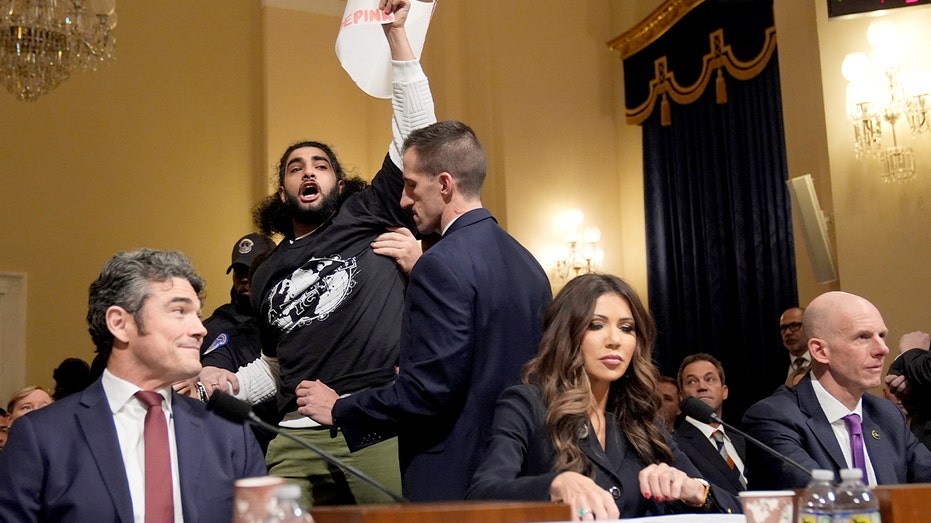
Secretary Kristi Noem, a vocal advocate for significant change, reportedly learned of the meeting’s cancellation just hours before it was scheduled to begin. She has previously expressed a desire to fundamentally reshape FEMA, questioning its current effectiveness. The agency faced intense scrutiny following its response to Hurricane Helene, with critics pointing to a slow pace of aid and inadequate preparedness.
Congressional hearings were held to examine FEMA’s performance, focusing on its preparedness, response, and recovery tactics. The storm’s aftermath became a central argument for those calling for a complete overhaul of the agency, highlighting the urgent need for a more efficient and effective disaster relief system.
The weight of rebuilding Georgia’s communities, and the future of the agency tasked with aiding them, now rests on decisions yet to be made. This billion-dollar investment is a critical first step, but the path to long-term resilience remains fraught with challenges and uncertainty.