A defiant Nicolás Maduro, Venezuela’s leader, issued a stark warning on Wednesday: his nation must “stand like warriors… ready to smash the teeth of the North American empire.” The declaration arrived amidst escalating tensions, punctuated by the U.S. seizure of an oil tanker off Venezuela’s coast, signaling a dramatic escalation in the ongoing conflict.
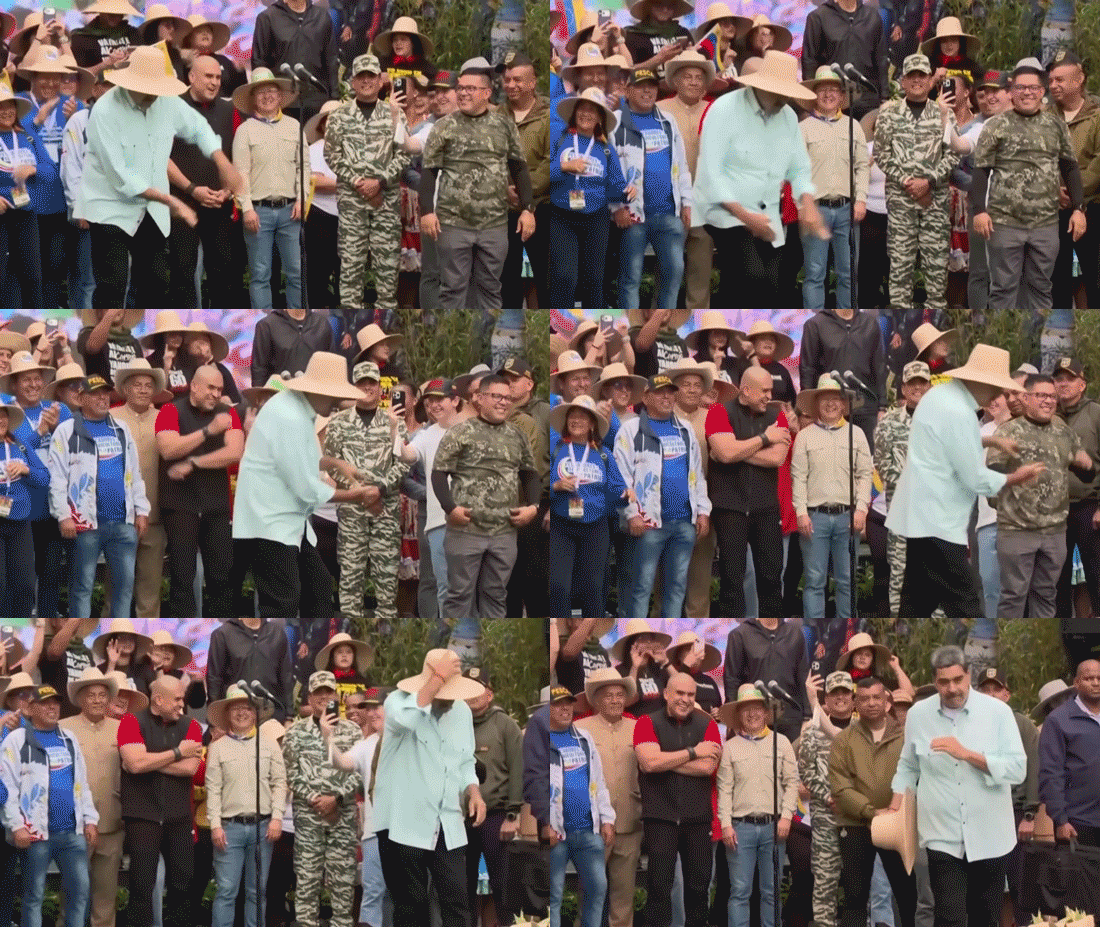
The scene was strikingly juxtaposed. Maduro delivered his fiery address while brandishing the sword of Simón Bolívar, a symbol of South American independence, and surprisingly, singing and dancing to Bobby McFerrin’s upbeat 80s hit, “Don’t Worry, Be Happy.” This unusual display underscored a message of resilience amidst growing pressure from Washington.
Maduro urged his supporters to remain vigilant, emphasizing the need for constant work and production, but also a readiness to defend their homeland. He called for a unified front, demanding Venezuelans maintain unwavering focus while preparing for potential confrontation.
The immediate catalyst for Maduro’s warning was President Trump’s announcement of the oil tanker seizure. U.S. officials allege the vessel was transporting sanctioned oil from Venezuela and Iran, a move Attorney General Pam Bondi characterized as a necessary enforcement action.
Venezuela’s Foreign Ministry vehemently condemned the seizure, labeling it “a brazen robbery and an act of international piracy.” They accused the Trump administration of attempting to steal Venezuelan oil without compensation, framing it as part of a long-standing effort to exploit the nation’s natural resources.
The ministry drew parallels to the loss of Citgo Petroleum Corp., which Caracas claims was seized through fraudulent legal maneuvers. They insisted the true motivation behind U.S. aggression wasn’t related to concerns about migration, drugs, democracy, or human rights, but solely focused on controlling Venezuela’s oil reserves.
Caracas further suggested the tanker incident was a deliberate distraction, intended to overshadow the perceived failure of negotiations in Oslo aimed at removing Maduro from power. They called on Venezuelans to defend their homeland and appealed to the international community to denounce the action as an illegal act of aggression.
Venezuela vowed to pursue the matter through all available international channels, determined to protect its sovereignty and maintain control over its energy assets. The government made it clear they would not tolerate any foreign power attempting to claim what they believe is rightfully theirs.
This latest confrontation builds upon months of increased U.S. maritime activity in the region, with Washington claiming to target vessels involved in drug trafficking. Reports indicate these operations have resulted in a significant number of casualties and heightened security measures in coastal communities.
Just weeks prior, Maduro had already warned of “imperialist aggression” during a rally, again wielding Bolívar’s sword. This followed Trump’s statement that the U.S. would soon begin intercepting suspected drug traffickers on Venezuelan soil, even hinting at the possibility of deploying troops.
Despite the escalating rhetoric, Trump left the door open for potential dialogue, suggesting conversations with Maduro might be possible. This ambiguity adds another layer of complexity to an already volatile situation.
Since early September, U.S. operations have reportedly destroyed dozens of vessels, many allegedly linked to criminal networks operating between Venezuela and Colombia. These actions demonstrate a clear escalation of U.S. pressure on Caracas.
Maduro’s repeated invocation of Simón Bolívar, the revered liberator of South America, serves as a powerful symbol of resistance and a call to defend Venezuela’s independence. He presented the current crisis as a pivotal moment for the nation’s future.