Fifty years have passed since the final episode ofUpstairs, Downstairsgraced British television screens, yet its resonance feels startlingly current. This wasn’t simply a period drama; it was a cultural touchstone, earning accolades on both sides of the Atlantic and captivating audiences with its intricate portrayal of Edwardian life.
For many, the show’s iconic theme music signaled a retreat into a world of elegant drawing rooms and bustling kitchens. It’s a world that continues to beckon, revisited countless times by devoted viewers, a testament to the series’ enduring power. The appeal isn’t nostalgia, but a profound connection to timeless human stories.
Remarkably, the anxieties of the mid-1970s mirror our own today. Leaders struggled with waning authority then, just as they do now. A sense of governmental inadequacy permeated society, a feeling eerily familiar to modern audiences. It’s in times like these that we turn to the past, seeking perspective and perhaps, a sense of order.
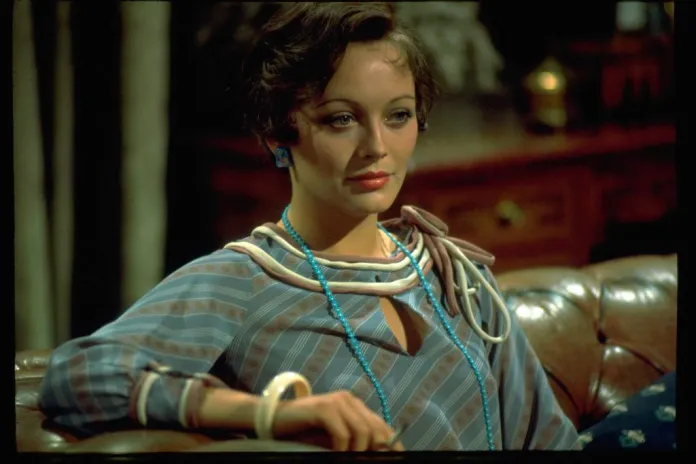
The brilliance ofUpstairs, Downstairslay in its democratic storytelling. Each episode, whether focused on the aristocratic Bellamys or their diligent servants, treated every character with equal respect and complexity. It refused to dismiss anyone as insignificant, recognizing the inherent dignity in every life.
The series subtly explored the shifting social order of the era. While initially upholding traditional hierarchies, it also hinted at the tensions brewing beneath the surface. The show wasn’t afraid to examine the consequences of disrupting established roles, particularly for those upstairs who risked losing their status by straying from convention.
Elizabeth Bellamy, the rebellious daughter, embodies this conflict. Her pursuit of independence, though often frustrating, served as a cautionary tale. Her missteps weren’t failures of ideology, but of duty – a concept deeply ingrained in the show’s moral fabric. As the housemaid Rose poignantly states, “As long as you – all of you – know yours and keep to it.”
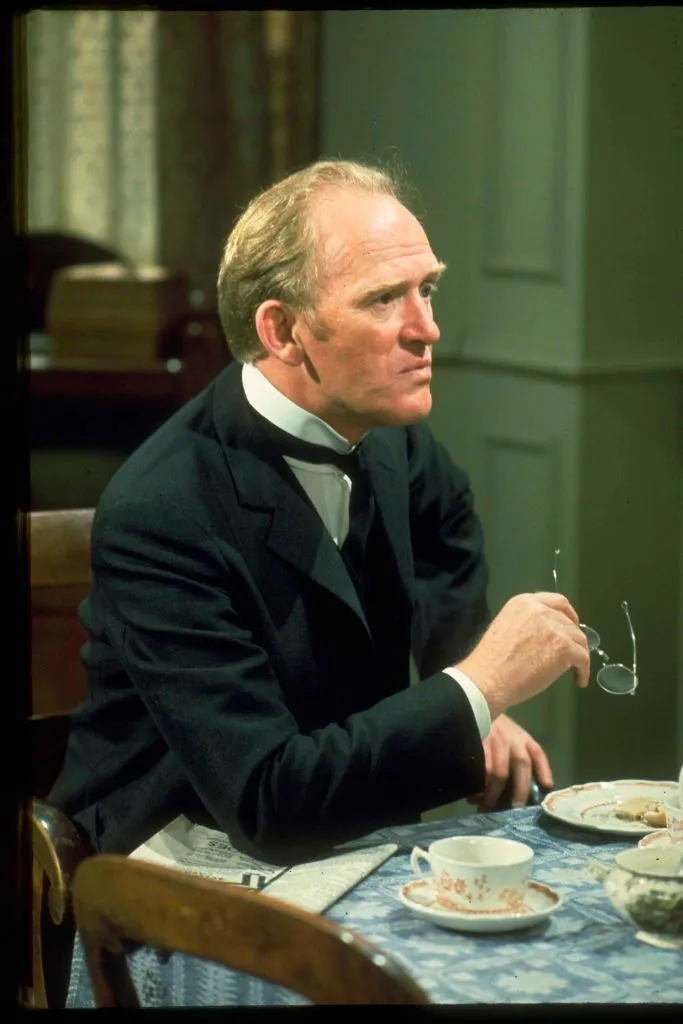
Like a predecessor toDownton Abbey,Upstairs, Downstairsconsistently portrayed servants as more conservative than their employers. This wasn’t played for simple laughs, but as a sincere observation about the values of stability and tradition often found within the working class. Loyalty and adherence to standards were paramount.
However, to label the show as simply conservative would be a disservice.Upstairs, Downstairspossessed a keen understanding of human fallibility. It acknowledged the complexities of morality, presenting situations where right and wrong weren’t always clear-cut. Characters wrestled with difficult choices, navigating a world where even the best intentions could have unintended consequences.
Lady Marjorie’s affair with Captain Hammond is a prime example. The show didn’t offer easy resolutions or condemnations. It simply presented the situation with honesty and nuance, forcing viewers to confront the difficult realities of desire, duty, and forgiveness. The weight of responsibility fell on both Marjorie and her husband, Richard, to navigate the fallout.
Beyond its dramatic storylines,Upstairs, Downstairsexcelled in its subtle details – the humor, the absurdity, the very clink of coins in a character’s pocket. These small touches brought the Edwardian world to life, creating a sense of immersive authenticity.
Perhaps most powerfully, the series offered a profoundly moving depiction of World War I. Without ever showing a battlefield, it captured the devastating impact of the conflict on ordinary lives, exploring themes of sacrifice, loss, and the changing face of British society. These episodes remain a testament to the show’s artistic achievement.
Episodes like “News from the Front” and “Facing Fearful Odds” didn’t shy away from difficult questions, examining the political machinations and moral ambiguities of wartime. The recurring presence of Sir Geoffrey Dillon, the Bellamys’ solicitor, added another layer of complexity, representing a pragmatic and often morally ambiguous force within the story.
Ultimately,Upstairs, Downstairsoffers a glimpse into a past that feels surprisingly relevant. It reminds us that human nature remains constant, even as the world around us changes. The show’s enduring legacy lies in its ability to connect us to a bygone era, prompting us to reflect on our own values and the enduring power of the human spirit.